New releases, music videos and album news — indie, rap, rock and pop. Always covering Ren, Chris Webby, Sam Tompkins, bbno$, CHINCHILLA, Muse, Yungblud and more.
The 1968 prog turned protest instrumental, courtesy of Keith Emerson
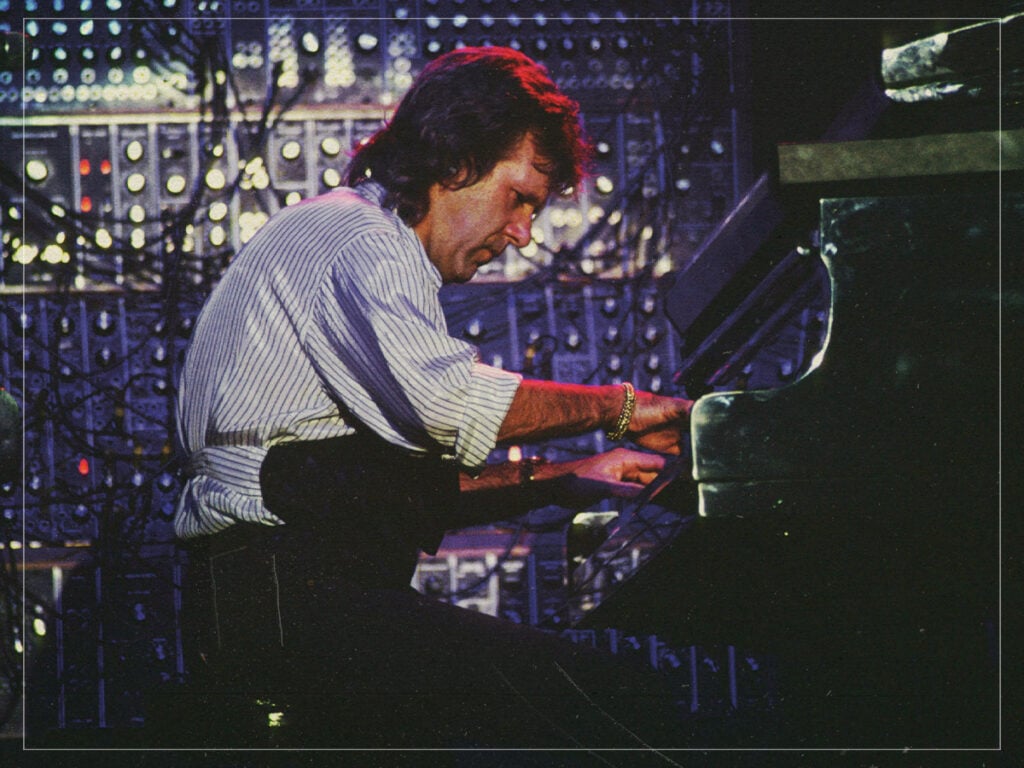
The article revisits The Nice’s 1968 instrumental version of ‘America’, arranged by Keith Emerson, as an early example of progressive rock being used for political protest. Its anti-Vietnam War message and confrontational performance style made the adaptation significant beyond music, anticipating punk’s willingness to use provocation and anger as political expression.
Based on Leonard Bernstein and Stephen Sondheim’s ‘West Side Story’ song, The Nice’s recording combined Emerson’s organ-led arrangement with passages from Dvořák’s ‘New World Symphony’. A spoken anti-war line, delivered by the three-year-old son of singer PP Arnold, closed the track; controversy deepened after Emerson burned a US flag onstage, and the single was not officially released in the United States.
In short
- The Nice turned ‘America’ into a 1968 anti-Vietnam War instrumental.
- Keith Emerson’s arrangement mixed prog rock with classical and musical-theatre influences.
- Flag-burning controversy prevented an official US single release.
Explained simply
The Nice were a rock band from the 1960s featuring keyboardist Keith Emerson. In 1968, they recorded a rearrangement of 'America', a famous song from the musical West Side Story, transforming it into a six-minute instrumental composition as a protest against the Vietnam War.
Emerson blended the original melody with passages from Dvořák's 'New World Symphony'. At the end of the recording, a brief anti-war statement was spoken over the music. This combination of elaborate instrumentation with explicit political protest was uncommon in rock music at the time.
The recording became more controversial when Emerson burned an American flag during a live performance. This incident meant the single was never officially released in the United States. The track has since been recognised as an example of how rock musicians used their work to oppose the Vietnam War during that era.