Entertainment news and discussion on TalkFuse.
The 1969 album Ray Davies called years ahead of its time: “I saw the future”
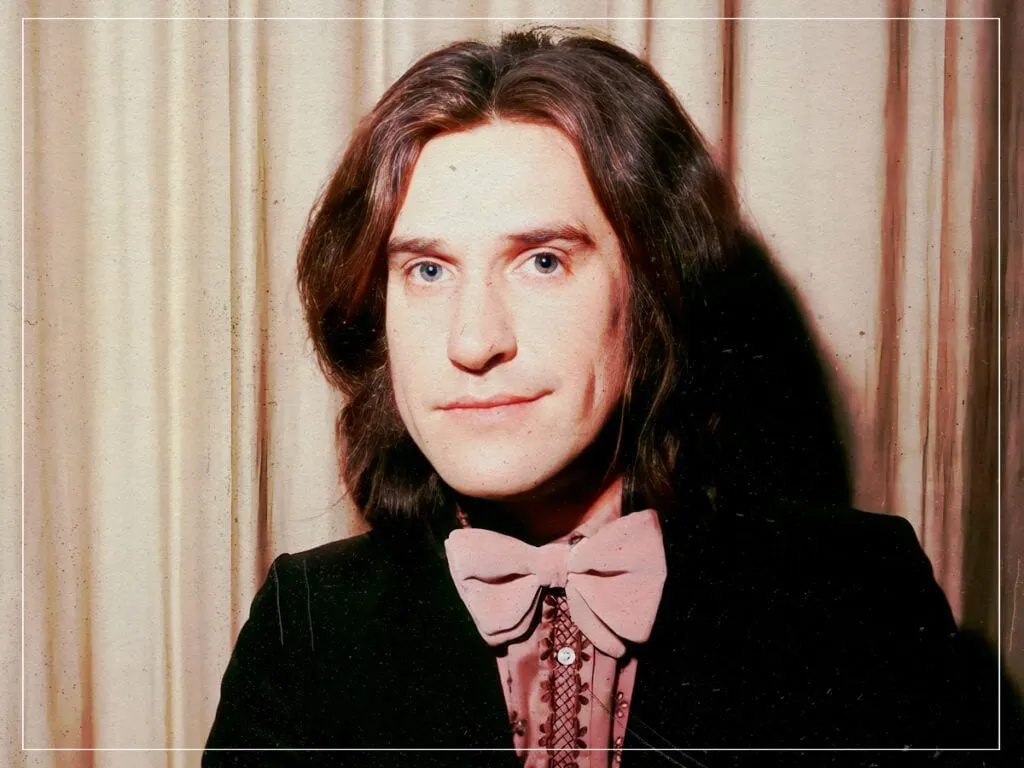
The article revisits The Kinks’ 1969 concept album *Arthur (Or the Decline and Fall of the British Empire)*, which Ray Davies reportedly regarded as unusually forward-looking. It argues that the record’s examination of British identity, class, migration and national decline has gained new relevance, making its themes seem more prescient than they did on release.
Written around the story of Davies’s sister Rosie and her husband Arthur emigrating to Australia, the album was initially conceived alongside an unrealised television project. Its 12 tracks combine family history with wider post-war social change, while songs such as ‘Victoria’, ‘Shangri-La’ and ‘Australia’ frame a changing Britain through individual lives.
In short
- *Arthur* explored Britain’s decline and migration before those themes became widely discussed.
- The 1969 Kinks album was built around a family’s move to Australia.
- Its social commentary has acquired greater resonance over time.
Steelman: both sides, in good faith
The strongest fair case each way — we don't pick a winner.
The case for
The album's prescience lies in articulating how post-war anxieties about British decline, class and identity would become the central preoccupation of British culture for decades to come. Though these concerns existed in 1969, Davies grasped their profound implications before most observers recognised their significance. His ability to distil abstract national anxieties into personal narratives of migration and belonging demonstrates genuine cultural foresight.
The case against
Post-war decline, class anxieties and national identity were already substantial topics of public discussion and debate in 1969—these were not hidden or novel concerns. What the album's modern relevance actually demonstrates is how enduring and persistent these British questions have proved, not that the album was ahead of its time. The album articulated preoccupations already widely held; its continued resonance reflects the timeless importance of these themes rather than Davies's foresight.
Explained simply
The Kinks were an English rock band led by brothers Ray and Dave Davies. In the years after the Second World War, Britain was changing: traditional industries and communities were under pressure, class remained a strong influence on daily life, and many people emigrated, including to Australia.
Arthur (Or the Decline and Fall of the British Empire) is a 1969 album built around an imagined family story. Its central character, Arthur, is based on Ray Davies’s sister Rosie and her husband, who moved to Australia; the record was also planned as part of a television project that was never made.
The songs connect the family’s experiences with questions about British identity and the country’s place in the world. Knowing this context helps explain why the album moves between personal memories and broader changes in post-war society.