Culture news and discussion on TalkFuse.
The 1969 masterpiece Fleetwood Mac never thought would be a hit: “Intended as a throwaway”
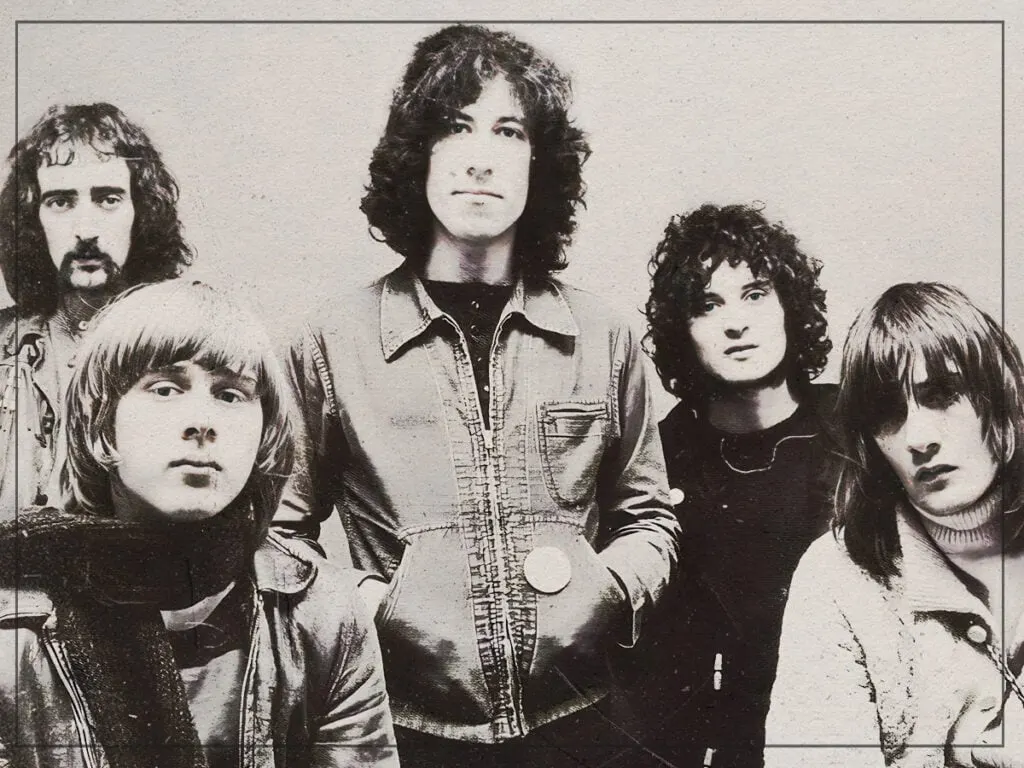
Fleetwood Mac’s ‘Oh Well’ began as a spontaneous studio riff that Peter Green thought was too ordinary to stand out. He intended it as a throwaway B-side, but it became the A-side and a defining example of the band’s ability to combine blues energy with a sharply arranged rock sound.
Green said the idea came after hearing Spanish guitar music, and the song’s quieter second part reflects that influence through classical guitar, cello, piano and recorder. Mick Fleetwood’s drumming, the band’s pauses around Green’s vocals and the forceful return of the riff all help shape the track; it also remained in the group’s live set through major line-up changes.
In short
- Green expected ‘Oh Well’ to be a B-side.
- Its spontaneous riff became the A-side.
- The contrasting second part draws on Spanish guitar.
Explained simply
Fleetwood Mac began in London in 1967 as a blues band led by guitarist Peter Green, alongside drummer Mick Fleetwood and bassist John McVie. The group later became known for a wider range of rock sounds and changing line-ups.
In the late 1960s, British blues bands often adapted music rooted in American blues for rock audiences. Fleetwood Mac’s ‘Oh Well’ pairs a forceful electric-guitar riff with a quieter passage drawing on Spanish and classical music, showing how the band brought different influences into one song.
The track’s place in the band’s live set through later line-up changes reflects its lasting role in their repertoire. It also illustrates how a recording that began as a modest studio idea could become closely associated with a band’s sound.
Art Culture Entertainment Music