Entertainment news and discussion on TalkFuse.
The 1969 Pink Floyd song David Gilmour never wanted to hear again: “We were at a loose end”
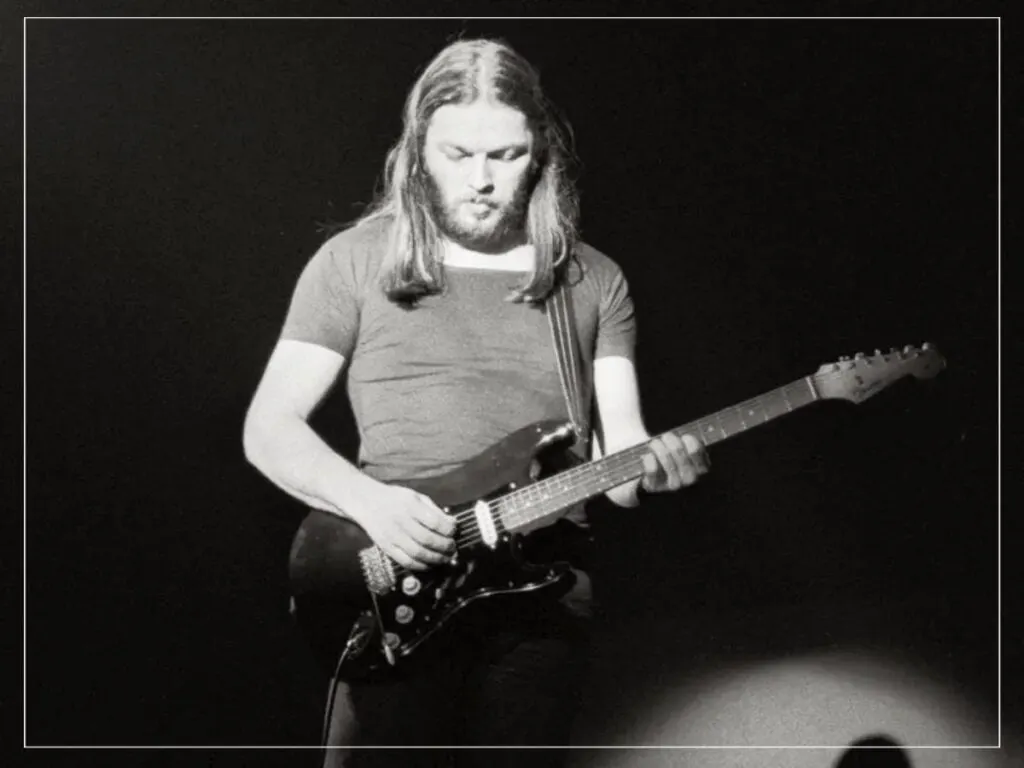
Following Syd Barrett's departure from Pink Floyd, David Gilmour gradually became the band's permanent guitarist and vocalist, though initially serving as a temporary replacement. During a period of uncertainty about the band's musical direction, Pink Floyd attempted various creative experiments, leading to the unconventional 1969 double album Ummagumma, which invited each member to record individual compositions.
Gilmour's contribution, "The Narrow Way," represented his attempt at melody but ultimately disappointed him, leading to a deliberate avoidance of the recording ever since. This experience reflected the band's larger struggle during this era—they eventually recognised that undirected experimentation was counterproductive and began pursuing albums with greater conceptual coherence and artistic intention.
In short
- Gilmour recorded a solo contribution for Pink Floyd's 1969 album Ummagumma that he found uninspiring and has never revisited
- The experimental format of individual band member contributions didn't suit his musical vision despite his melodic focus
- The album represented a turning point after which Pink Floyd pursued more structured, conceptually driven projects
Explained simply
Pink Floyd was a British rock band that emerged in the 1960s. In the late 1960s, founding member Syd Barrett departed the group, and David Gilmour was brought in as guitarist. Gilmour gradually became the band's permanent guitarist and singer, though this transition was initially uncertain.
During a period when the band's direction was unclear, Pink Floyd released Ummagumma in 1969, a double album where each member recorded individual songs. Gilmour contributed a track called "The Narrow Way." The album represented an experimental approach as the band searched for their musical identity.
The album reflected Pink Floyd's broader struggles as they tried various experimental approaches. Gilmour became dissatisfied with his contribution, and the band eventually recognised that this kind of undirected experimentation was not working for them. This led them to pursue more structured and conceptually ambitious albums in later years.