Entertainment news and discussion on TalkFuse.
The 1969 song the Who retired because they couldn’t stop laughing at it: “It brought tears to my eyes”
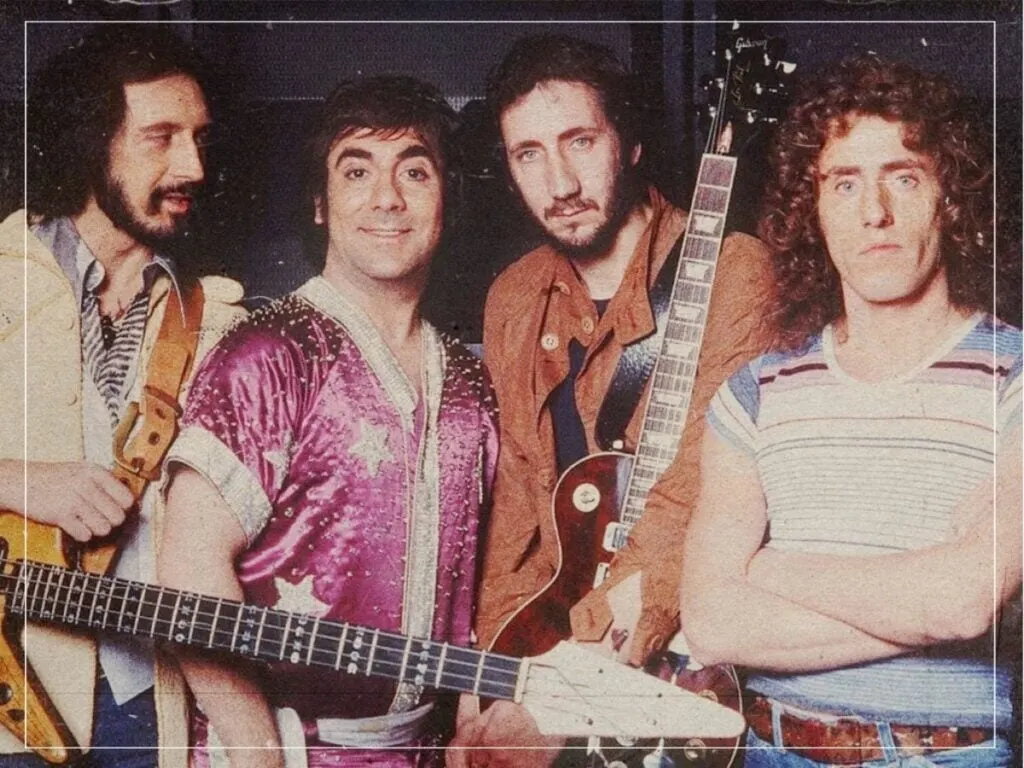
The Who's 1969 rock opera *Tommy* included a song built around the refrain "see me, feel me, touch me, heal me", which the band eventually stopped performing live because they could no longer get through it without breaking into laughter. What began as one of Pete Townshend's most emotionally significant compositions for the album ended up undermined on stage by the unintentional comic effect of its repeated, suggestive lyric, making serious live performance impossible. The anecdote is a small but telling illustration of how a song's meaning can shift for its creators once it leaves the studio and meets a live audience.
Pete Townshend, who wrote the track, has said of it: "We can't play it on stage for laughing now, but when I first wrote it, it brought tears to my eyes." His comment highlights the contrast between the song's original, deeply felt purpose within the *Tommy* narrative and the band's later inability to perform it straight-faced, ultimately leading to it being dropped from their live sets.
In short
- The Who retired a 1969 Tommy track after laughing on stage
- Its lyric "see me, feel me, touch me, heal me" caused giggles
- Pete Townshend said writing it once brought him to tears
Explained simply
The Who are a British rock band formed in the 1960s, with Pete Townshend as their guitarist and principal songwriter. In 1969 they released Tommy, a “rock opera”: an album whose songs tell a connected story about a fictional boy.
The song at the centre of this story appears in Tommy and uses a repeated appeal for connection and healing. Its words were written to carry emotional weight within the album’s narrative, though their repetition could sound unintentionally comic when performed live.
The episode shows how a song can feel different outside the story and setting in which it was written. It also reflects a tension musicians may face between the meaning they intend and how audiences hear a performance.