Entertainment news and discussion on TalkFuse.
The 1970 movie Peter Sellers hated so much he wanted to remake it: “Hardly feasible”
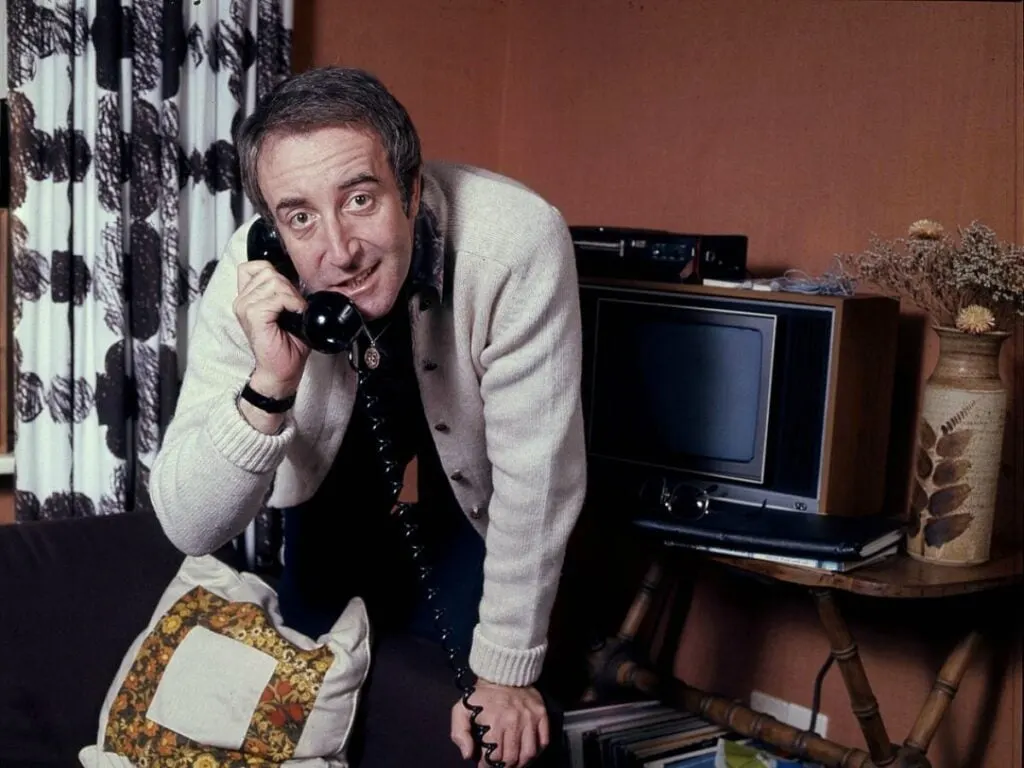
Peter Sellers, best known for comic roles in films like The Pink Panther and Dr Strangelove, took on a rare dramatic lead in the 1970 film Hoffman, playing a divorced man who blackmails a young woman into staying at his house against her will. Under director Alvin Rakoff, Sellers agreed to drop his usual comic instincts and portray the character's sinister side, but he became so unhappy with the finished performance that he tried to buy back the negative to remake it, and later publicly called the film a disaster before its release.
Producer Bryan Forbes recalled that Sellers entered a "manic depressive" period during filming and, once remaking the film proved "hardly feasible", instead gave damaging interviews condemning it. Forbes insisted the film, which also featured a young Sinéad Cusack in one of her first roles, was actually well made, with polished direction and fine performances, but it failed commercially regardless. Producer Ben Arbeid later suggested Sellers' dislike stemmed from seeing too much of himself in the unflattering character, and Hoffman remains a largely overlooked entry in British cinema.
In short
- Sellers hated his 1970 dramatic role in Hoffman
- He tried to buy the negative back to remake it
- Public criticism from Sellers damaged the film's reception
Explained simply
Peter Sellers was a British actor famous for comic performances, including Inspector Clouseau in The Pink Panther films and a range of roles in Dr Strangelove. Hoffman was a 1970 British film that cast him in an unusual dramatic role as a man who uses blackmail to keep a young woman in his home.
The film was directed by Alvin Rakoff and also featured Sinéad Cusack early in her acting career. Its producer Bryan Forbes later defended the film’s craft, while producer Ben Arbeid suggested Sellers may have been troubled by the character’s unflattering qualities.
Hoffman was unsuccessful commercially and is now little known. Its place in Sellers’ career offers a glimpse of his attempt to work beyond the comic roles for which audiences knew him.