The 1972 movie Charlton Heston always called “the worst film of my career”
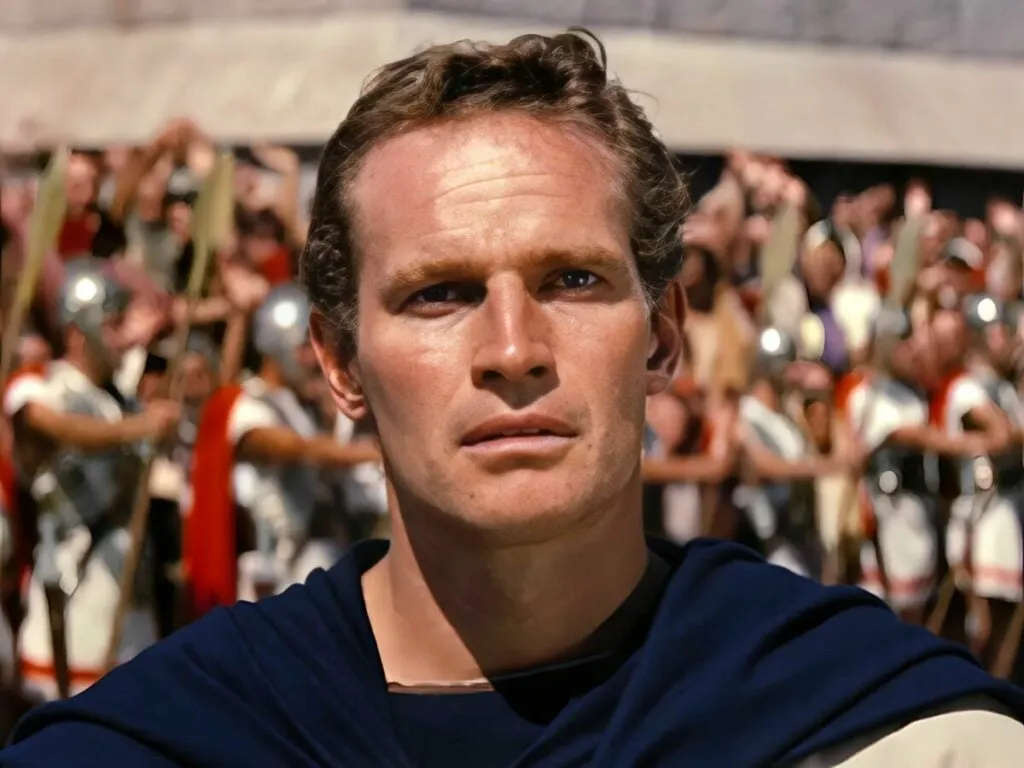
Charlton Heston called the 1972 adaptation of Jack London’s *The Call of the Wild* “the worst film of my career”, after a troubled production in Norway and Finland. Its problems mattered enough that Paramount declined to release it internationally, despite reviews often praising Heston’s performance.
The article attributes the setbacks to questionable production deals and an inexperienced crew, though it gives no specific figures. The film came as Heston’s leading-man period was fading, but he soon found success in *The Omega Man* and *The Three Musketeers*. Adaptations of the 1903 novel have repeatedly faced the challenge of staging dangerous scenes with real dogs; the 2020 version used CGI, while the article argues Heston’s film had stronger chemistry between its human and canine leads.
In short
- Heston called the film the worst of his career.
- A troubled production led Paramount to withhold international release.
- The dog’s bond with its human co-star is central to the story.
Steelman: both sides, in good faith
The strongest fair case each way — we don't pick a winner.
The case for
The film’s troubled production and Paramount’s decision not to release it internationally suggest that its failures went beyond ordinary critical disappointment, giving Heston good reason to judge it harshly. A difficult shoot, questionable deals and an inexperienced crew may have undermined the adaptation despite his performance and the rapport with the dogs.
The case against
A troubled production does not necessarily make the finished film the worst of a career: reviews often praised Heston, and the article argues that the human and canine leads had a chemistry later versions lacked. Given the dangers of filming with real dogs and the production constraints, the film may be better seen as a flawed adaptation with distinctive strengths than as an unqualified failure.