Entertainment news and discussion on TalkFuse.
The 1975 number one song that terrified Queen’s record label
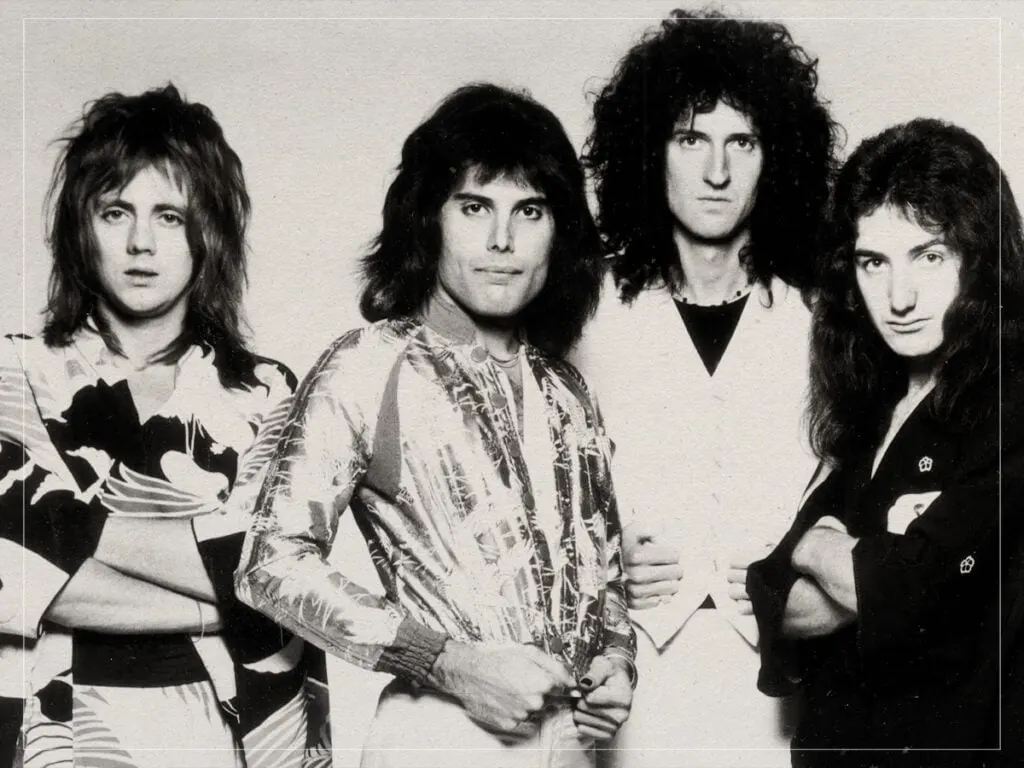
The article revisits the story of Queen's "Bohemian Rhapsody", released in 1975, which reportedly alarmed EMI Records before it became one of the band's biggest hits. Executives at the label were said to be nervous about releasing the track as a single because of its unconventional structure and near six-minute length, far exceeding what radio stations typically played at the time, fearing it would flop commercially.
Despite the label's reluctance, Freddie Mercury and the rest of Queen pushed for the song to be released unedited, and it was radio DJ Kenny Everett's repeated plays of an advance copy that helped build public demand and force EMI's hand. "Bohemian Rhapsody" went on to top the UK singles chart for nine weeks in late 1975, becoming Queen's signature song and later returning to number one in 1991 following Mercury's death.
In short
- EMI feared "Bohemian Rhapsody" was too long and odd to succeed.
- Queen insisted on releasing it unedited despite label concerns.
- DJ Kenny Everett's airplay helped it top the UK charts.
Steelman: both sides, in good faith
The strongest fair case each way — we don't pick a winner.
The case for
Queen possessed superior creative judgment about their work, and Freddie Mercury's conviction in "Bohemian Rhapsody" justified trust despite commercial uncertainty. The song's success proves that audiences embrace innovation and that artistic vision sometimes penetrates market reality more deeply than corporate data analysis. Organisations that subordinate artistic ambition to commercial caution forfeit defining cultural moments; genuinely transformative output requires creative personnel to retain meaningful autonomy.
The case against
Record labels exercise responsible fiduciary judgment within real market constraints. EMI's hesitation about a six-minute structurally unconventional track reflected genuine radio formatting challenges and established consumer preferences. Companies sustain themselves through prudent risk management, and scepticism towards ventures departing from proven territory protects financial stability. That one ambitious project succeeded does not invalidate commercial caution—most unconventional ventures fail—and stewardship sometimes requires declining risky bets.
Explained simply
"Bohemian Rhapsody" is a song by Queen, released in 1975, that mixed rock, opera and ballad sections into an unconventional six-minute structure. Radio stations of that era typically aired much shorter songs, making the track an unusual choice for a single release.
EMI Records, Queen's label, expressed concerns about releasing the song, fearing its length and unusual format would not appeal to audiences and would fail commercially. Freddie Mercury and the rest of Queen were determined to release it unedited. When radio DJ Kenny Everett repeatedly played an advance copy, public demand built to a level that persuaded the label to go ahead with release.
The song became hugely successful, topping the UK singles chart for nine weeks and becoming one of Queen's most iconic recordings. The record label's initial reluctance is now a well-known part of the song's story in music history.