World news and discussion on TalkFuse.
The 1976 Rush album made as a ‘screw you’ to their label: “You can’t tell us what to do”
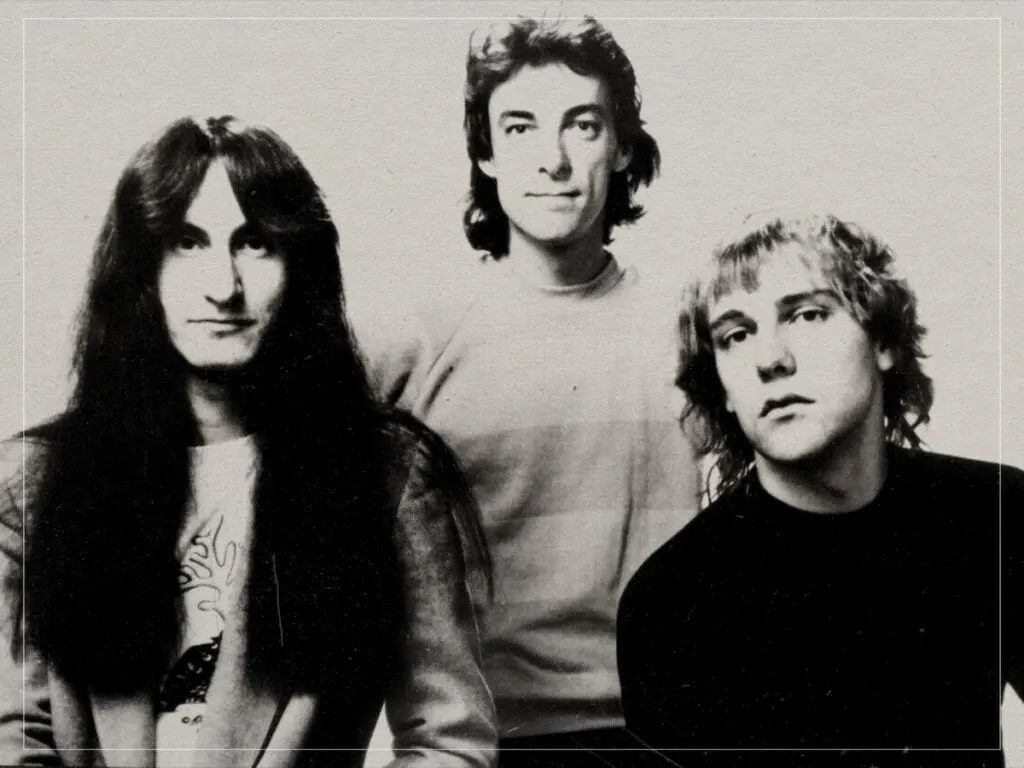
Far Out Magazine revisits the story behind Rush's 1976 album "2112", made as a defiant response to pressure from their record label. After the poor commercial performance of 1975's "Caress of Steel", Mercury Records pushed the Canadian trio to write shorter, more radio-friendly songs, but the band instead doubled down on their progressive instincts, producing a sprawling concept record built around a dystopian, Ayn Rand-inspired title suite.
The gamble paid off: "2112" became a breakthrough success, cementing Rush's reputation for ambitious, uncompromising songwriting and giving them the creative freedom to continue pursuing complex, conceptual work on subsequent albums. The album's defiant origins have since become one of the best-known stories in the band's history, illustrating their refusal to bow to label demands for a more commercial sound.
In short
- Rush made "2112" in 1976 to defy their record label.
- Mercury Records wanted shorter, more commercial songs.
- The gamble succeeded, boosting Rush's career and creative freedom.
Explained simply
Rush are a Canadian rock band formed by singer and bassist Geddy Lee, guitarist Alex Lifeson and drummer Neil Peart. In the 1970s they released music through Mercury Records, a record label that helped fund and distribute their albums. Their 1975 album, Caress of Steel, sold poorly, putting pressure on the band to change course.
Progressive rock often features long tracks, shifting musical sections and linked themes. Rush were drawn to that approach, and 2112 centres on a lengthy science-fiction story about a future society that bans individual expression. The story was influenced by writer Ayn Rand’s ideas, which have also shaped the way listeners discuss the album’s themes.
Americas Entertainment Music World