Entertainment news and discussion on TalkFuse.
The 1979 movie that Al Pacino considered completely original: “I have never seen a film like this before”
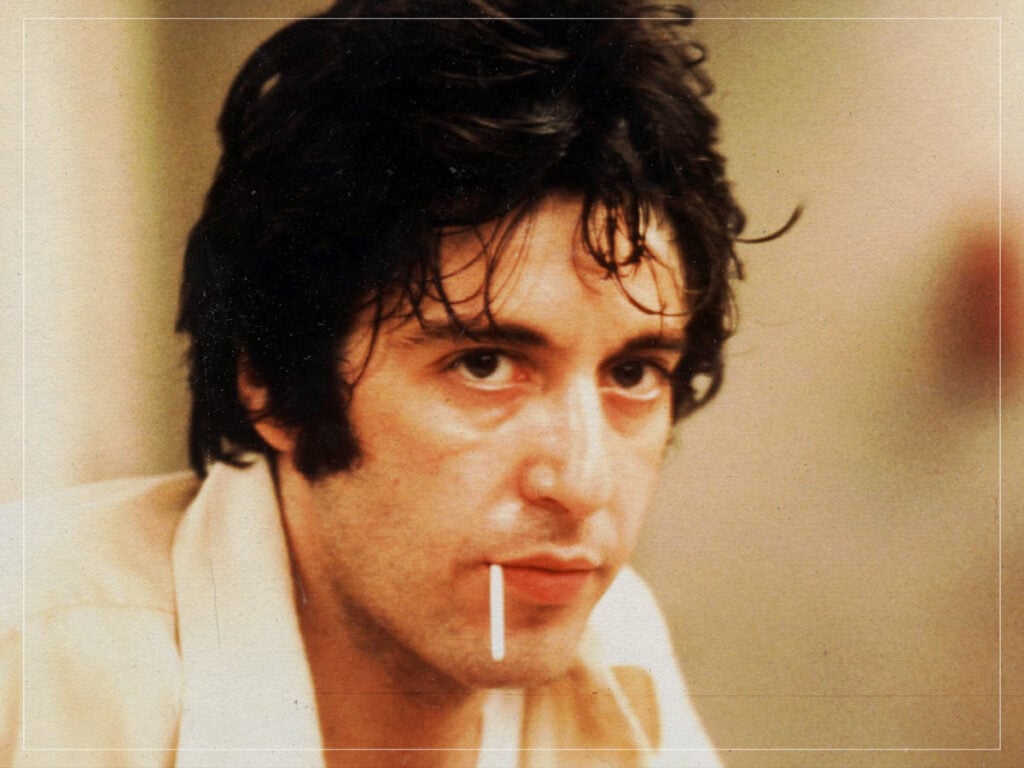
Al Pacino praised the 1979 film *Apocalypse Now* as entirely original, saying he had never encountered anything like it before. The article highlights the actor’s admiration for Francis Ford Coppola’s ambitious Vietnam War epic and its unusual, psychologically intense approach to depicting conflict.
Released in 1979, *Apocalypse Now* was adapted loosely from Joseph Conrad’s *Heart of Darkness* and follows Captain Willard’s mission to find Colonel Kurtz in Vietnam. The film became renowned for its troubled production, striking imagery and performances from Martin Sheen, Marlon Brando and Robert Duvall, and remains one of cinema’s most influential war films.
In short
- Pacino called *Apocalypse Now* unlike any film he had seen.
- Coppola’s Vietnam epic was released in 1979.
- Its originality and influence remain widely recognised.
Steelman: both sides, in good faith
The strongest fair case each way — we don't pick a winner.
The case for
Defenders of Apocalypse Now's originality argue that Coppola achieved something genuinely unprecedented—a film that transcended its source material to create a visionary, psychologically penetrating approach to depicting war itself. They contend that its surreal methodology, striking visual language and profound thematic ambition represented a fundamental breakthrough in cinema, establishing artistic conventions that influenced subsequent filmmakers and meaningfully distinguishing it from earlier war films.
The case against
Those who question the film's originality counter that whilst undoubtedly ambitious, Apocalypse Now was fundamentally an adaptation rather than an original creation, and that other filmmakers had already experimented with unconventional war narratives before its release. They suggest the film's reputation may reflect the scale of its production and Coppola's prestige as much as genuine innovation, and that viewing it as uniquely original overlooks earlier examples of experimental cinema.
Explained simply
Apocalypse Now is a 1979 Vietnam War film directed by Francis Ford Coppola that follows an American military captain on a mission to locate Colonel Kurtz. It was loosely adapted from Joseph Conrad's novella Heart of Darkness, transposing the story from the African Congo to Vietnam during the war.
The film became renowned for its striking visual imagery, ambitious artistic approach and powerful performances from Martin Sheen, Marlon Brando and Robert Duvall. Its psychological intensity and unconventional storytelling represented a significant departure from how war had previously been portrayed in cinema.
The film's production became as legendary as the final product, with Coppola's creative struggles well documented. It went on to become one of cinema's most influential war films and remains widely studied for its artistic innovation and complex exploration of warfare.