Culture news and discussion on TalkFuse.
The 1980 movie Robin Williams compared to a hellish acid trip: “Like a killer whale farting”
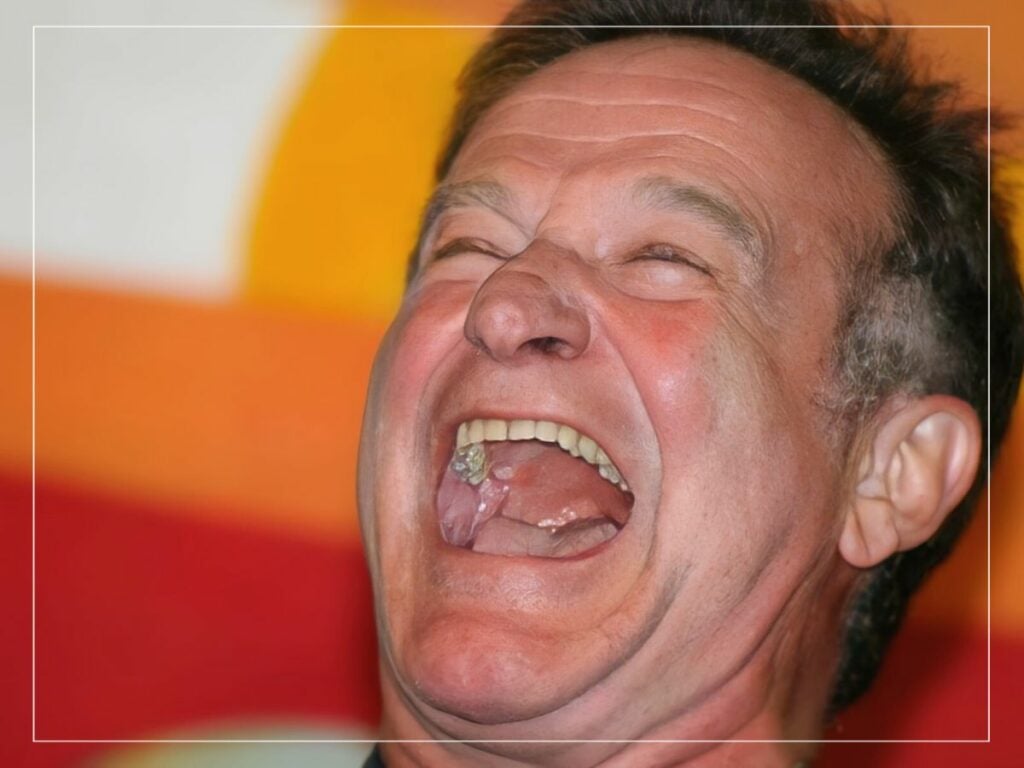
During a Rolling Stone interview, Robin Williams reflected on his breakthrough 1980s films, praising The World According to Garp whilst expressing severe reservations about Robert Altman's Popeye, which marked his first major leading role. He described the film's dialogue as so unclear that extensive dubbing sessions were necessary to make it intelligible to audiences.
Williams found the Popeye premiere disturbing enough to invoke Kubrick's 2001: A Space Odyssey as an unlikely point of reference, characterising the overall experience as psychedelic and disorienting. Though initially poorly received, the unconventional adaptation has since attracted modern viewers drawn to Altman's distinctive creative vision and the film's deliberate embrace of visual eccentricity and narrative abstraction.
In short
- Robin Williams compared Robert Altman's 1980 Popeye to '2001: A Space Odyssey on bad acid' for its surreal, unconventional aesthetic
- The film required multiple dubbing sessions due to incomprehensible dialogue; later gained cult appreciation
Steelman: both sides, in good faith
The strongest fair case each way — we don't pick a winner.
The case for
The strongest case for Popeye's artistic merit emphasises Robert Altman's deliberate rejection of commercial convention in favour of distinctive visual experimentation and narrative abstraction. Advocates argue that demanding immediate accessibility conflates commercial appeal with artistic value; many now-celebrated experimental films were initially dismissed as incomprehensible. The film's deliberate eccentricity represents genuine artistic ambition rather than failure, and contemporary viewers attracted to Altman's vision demonstrate that challenging audiences can expand cinema's boundaries. Dismissing unconventional work as mere incompetence risks overlooking bold creative choices that don't conform to traditional storytelling expectations.
The case against
The strongest case against Popeye emphasises that a film's primary obligation is effective communication with its audience. When dialogue requires extensive dubbing sessions to become intelligible, the production has fundamentally failed at basic storytelling—viewers cannot engage with characters or narrative if they cannot understand what is being said. There is a meaningful distinction between intentionally challenging cinema and confused filmmaking born of technical inadequacy. Williams' visceral negative reaction reflects genuine production problems, not merely misunderstood artistry, and the widespread initial rejection should be acknowledged as a reasonable response to a film that failed to function properly rather than dismissed as audience incomprehension of a misunderstood masterpiece.
Explained simply
Popeye is a 1980 film adaptation of the comic strip, directed by filmmaker Robert Altman. The film marked Robin Williams's first major leading role in cinema, with him playing the spinach-loving sailor character.
Williams has recently reflected on his early film work, discussing both successes and disappointments. Regarding Popeye, he recalled the experience as deeply unsettling, noting that the dialogue was so muddled during shooting that it needed extensive post-production dubbing to be comprehensible to audiences.
Upon release, the film failed to find an audience with critics or viewers at the time. Altman's distinctive directorial style—with its visual eccentricity and narrative abstraction—has since attracted modern viewers, however, and the film has gained appreciation over the years for its unconventional approach.
Art Culture Entertainment Film