The 1981 co-star who couldn’t stand working with Sylvester Stallone: “I had to fight him”
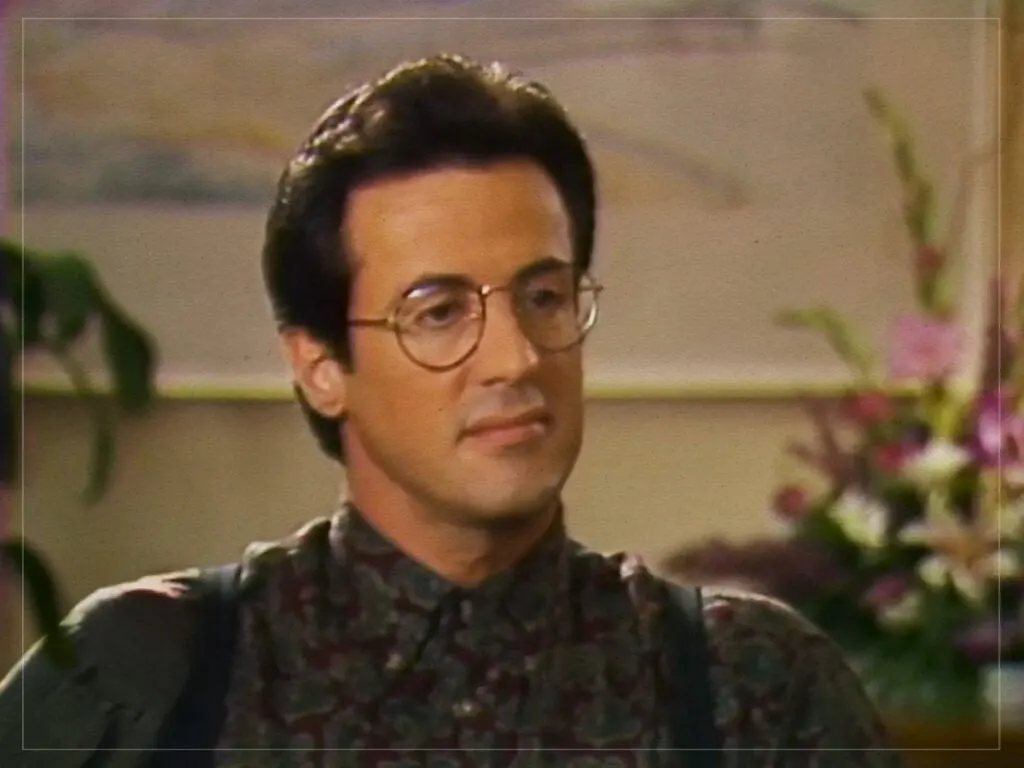
Rutger Hauer said he clashed with Sylvester Stallone while making the 1981 thriller *Nighthawks*, describing an angry dispute over how each thought his character should be played. The account highlights Stallone’s growing influence behind the scenes after *Rocky* made him a major star, and the tensions that influence created on set.
Hauer’s first scene was his character’s death, and a malfunctioning squib and unexpectedly forceful wire rig nearly injured him. He later learned Stallone had insisted on maximum force for the rig; the two nearly came to blows, and Hauer said their tension continued. Co-star Lindsay Wagner recalled Stallone taking over directing, while post-production involved repeated edits and re-cuts before the film’s release.
- Rutger Hauer said he fought with Stallone over their roles.
- A wire rig nearly injured Hauer during his first scene.
- Stallone took a major role in directing and re-editing *Nighthawks*.
New here? Start with this
Sylvester Stallone became a major star after writing and starring in Rocky, released in 1976. By the time he made Nighthawks, a 1981 thriller about New York police officers pursuing a terrorist, that success had given him growing influence over how films were made.
Rutger Hauer played the terrorist, while Lindsay Wagner was also among the film’s stars. Disagreements between actors and directors can affect who shapes a character or a scene, especially when a star has influence behind the camera as well as in front of it.
Nighthawks went through repeated edits before its release, reflecting the disputes over how the film should take shape. The reported clashes offer a glimpse of the pressures that can arise when creative control is contested on a film set.
Both sides, in good faith
The strongest fair case each way — we don't pick a winner.
The case for
Stallone may have believed his prominence and creative involvement gave him a responsibility to shape the film and make its scenes work, especially in a production where he had strong views about character and action. From that perspective, assertive direction and later re-editing could be attempts to deliver a coherent thriller, even if they contributed to friction on set.
The case against
Hauer’s account points to a serious concern: creative ambition does not justify overriding a co-star’s choices or exposing him to avoidable physical risk. If Stallone insisted on unusually forceful rigging and took control of directing, colleagues could reasonably see that as an abuse of influence that undermined their safety and artistic contributions.