The 1983 Black Sabbath album Tony Iommi dismissed as “awful”
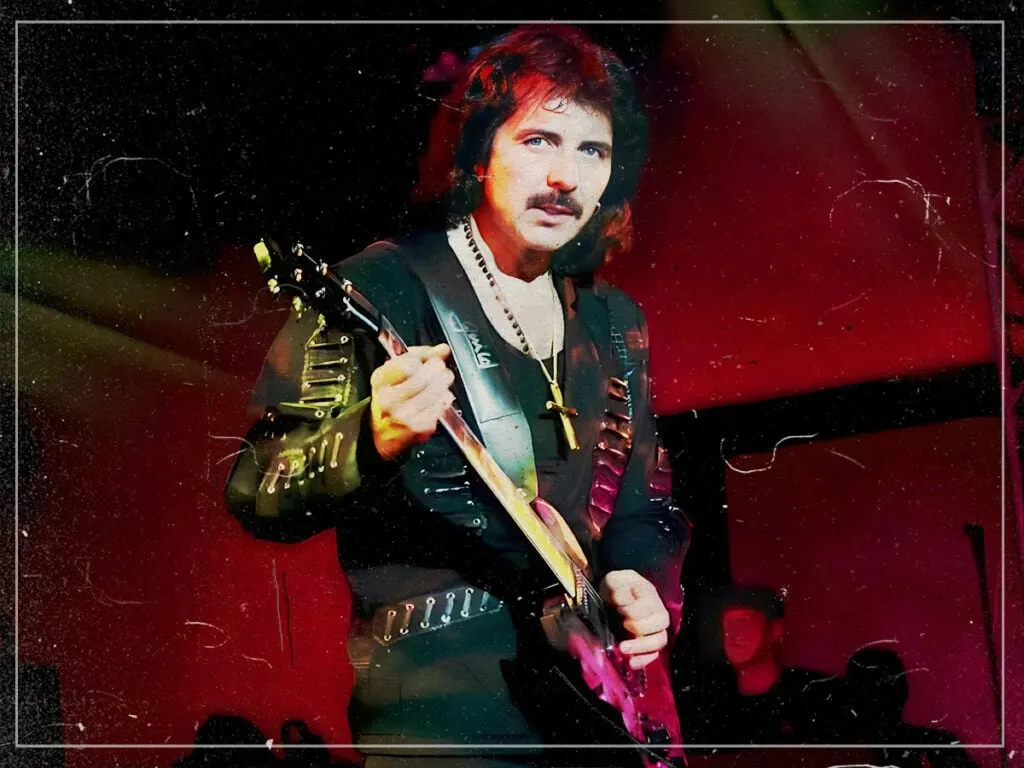
Black Sabbath’s 1983 album *Born Again*, featuring former Deep Purple singer Ian Gillan, was intended to launch a new chapter for the band after Ronnie James Dio’s departure. Guitarist Tony Iommi later criticised its songs and production, while Gillan said the final mix fell far short of the promising monitor mixes.
Their dissatisfaction reflected a difficult fit between Gillan’s background and Black Sabbath’s musical identity, as well as problems with the finished sound. Gillan described the bass as excessive and said the album was effectively unplayable on radio; after the experience, he returned to Deep Purple rather than continue with Sabbath.
- *Born Again* was Black Sabbath’s 1983 album with Ian Gillan.
- Tony Iommi called its production awful.
- Gillan was disappointed with the final mix and left for Deep Purple.
New here? Start with this
Black Sabbath are a British heavy metal band formed in Birmingham in 1968, with guitarist Tony Iommi a central member. Their dark, heavy sound helped shape the genre, and the group’s line-up changed several times over the years.
After singer Ronnie James Dio left, the band brought in Ian Gillan, best known as the former singer of fellow British rock band Deep Purple. The change was meant to give Black Sabbath a fresh start, but Gillan’s musical background differed from the band’s established style.
The album’s reputation was also affected by disagreement over its recording and mix. Gillan returned to Deep Purple after the collaboration, making the record a brief and distinct chapter in Black Sabbath’s history.
Both sides, in good faith
The strongest fair case each way — we don't pick a winner.
The case for
Born Again was a bold attempt to give Black Sabbath a fresh chapter by pairing the band with Ian Gillan, whose powerful voice and distinct musical background could broaden their sound. Its rough, abrasive production may be heard as part of the album’s character, and the collaboration’s ambition and memorable songs can matter more than whether the finished mix met conventional standards.
The case against
The album’s production and mix could undermine the music rather than serve it: Gillan said the bass overwhelmed the sound and that the record was far less effective than the monitor mixes. Iommi’s later criticism and Gillan’s decision to return to Deep Purple support the view that the partnership did not fit Sabbath’s identity or deliver the strong new chapter it was meant to launch.