New releases, music videos and album news — indie, rap, rock and pop. Always covering Ren, Chris Webby, Sam Tompkins, bbno$, CHINCHILLA, Muse, Yungblud and more.
The 1991 role Sylvester Stallone called the greatest he’ll ever play: “This thing is me”
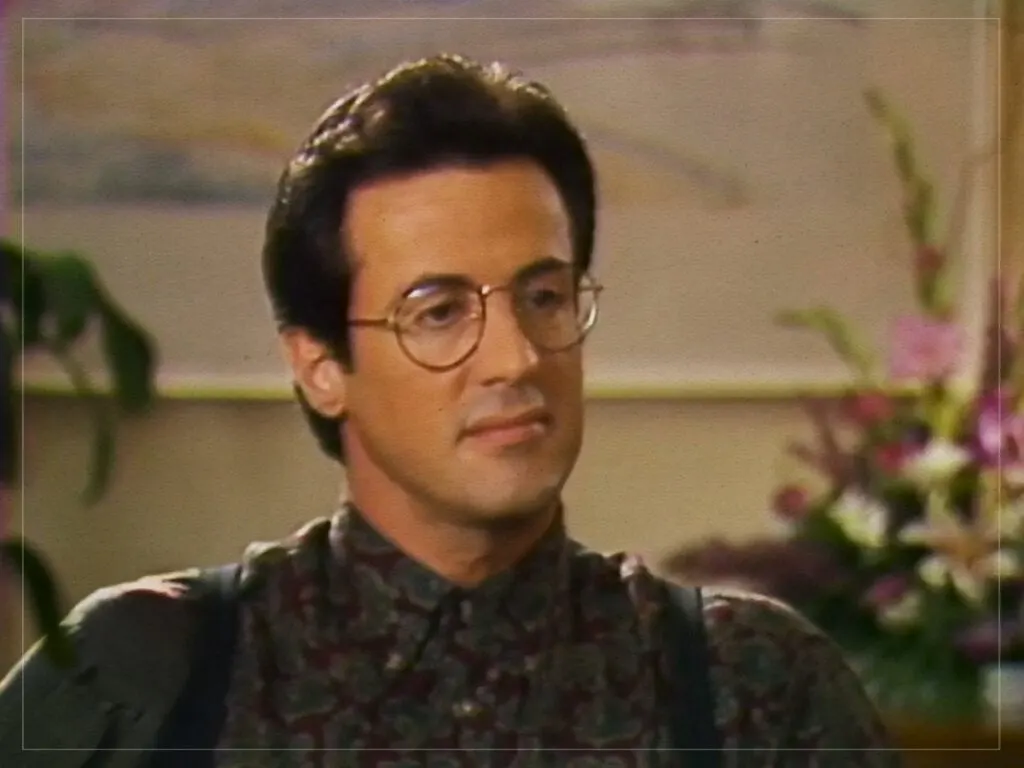
Sylvester Stallone once described the 1991 comedy flop Oscar as the greatest role of his career, a claim that has puzzled critics given the film's poor reception and the enduring fame of his two signature characters, Rocky Balboa and John Rambo. The remark highlights a curious moment of misplaced pride from an actor otherwise known for two of cinema's most iconic roles, and stands out because it came for a film widely regarded as one of his weaker efforts rather than for either of his career-defining franchises.
In Oscar, directed by John Landis, Stallone played mob boss Angelo "Snaps" Provolone in a screwball comedy that performed poorly at the box office and earned him a Razzie nomination for Worst Actor, with Landis also nominated for Worst Director. Despite this, Stallone said at the time that the role finally let him show "what I think I am," calling it more authentically himself than his other, more celebrated characters. The film came before his more famous comedic misstep, Stop! Or My Mom Will Shoot, and remains largely forgotten compared with the rest of his filmography.
In short
- Stallone called 1991 flop Oscar his greatest-ever role.
- The film bombed and earned him a Worst Actor Razzie nod.
- Comment stands in stark contrast to Rocky and Rambo's lasting fame.
Steelman: both sides, in good faith
The strongest fair case each way — we don't pick a winner.
The case for
An actor's assessment of their own greatest role may legitimately prioritise personal artistic expression and authenticity over critical reception or commercial success. Stallone may have experienced Oscar as genuinely liberating—a chance to explore character work and comedic range beyond the confines of his action-hero typecasting, allowing him to express something true about himself as a performer. For an artist, the value of a role might ultimately rest not in whether the film succeeded commercially or won critical praise, but in what it revealed about their capabilities and creative potential.
The case against
Artistic achievement ultimately requires successful communication with an audience; personal feelings of authenticity, while valuable, do not constitute grounds for claiming a greatest role if the work itself was technically flawed and critically rejected. Stallone's Razzie nomination for Oscar, contrasted with the enduring cultural significance of Rocky and Rambo, suggests that technical execution and impact matter alongside personal satisfaction. Critics and audiences assess what actually made it onto screen, not just what the actor felt inwardly, and by those reasonable measures Oscar falls far short of being his greatest work.
Explained simply
Sylvester Stallone is an American actor best known for playing boxer Rocky Balboa and soldier John Rambo, characters who became the centre of long-running film series. Both roles helped define his screen image, so his view of another performance as especially personal is a point of interest in his career.
In Oscar, a 1991 comedy directed by John Landis, Stallone played Angelo “Snaps” Provolone, a mob boss caught up in misunderstandings and family complications. The film was poorly received and did little business, unlike the Rocky and Rambo films, which remain far more widely known.