Entertainment news and discussion on TalkFuse.
The 1998 movie Jamie Lee Curtis will always regret making for one reason: “To this day”
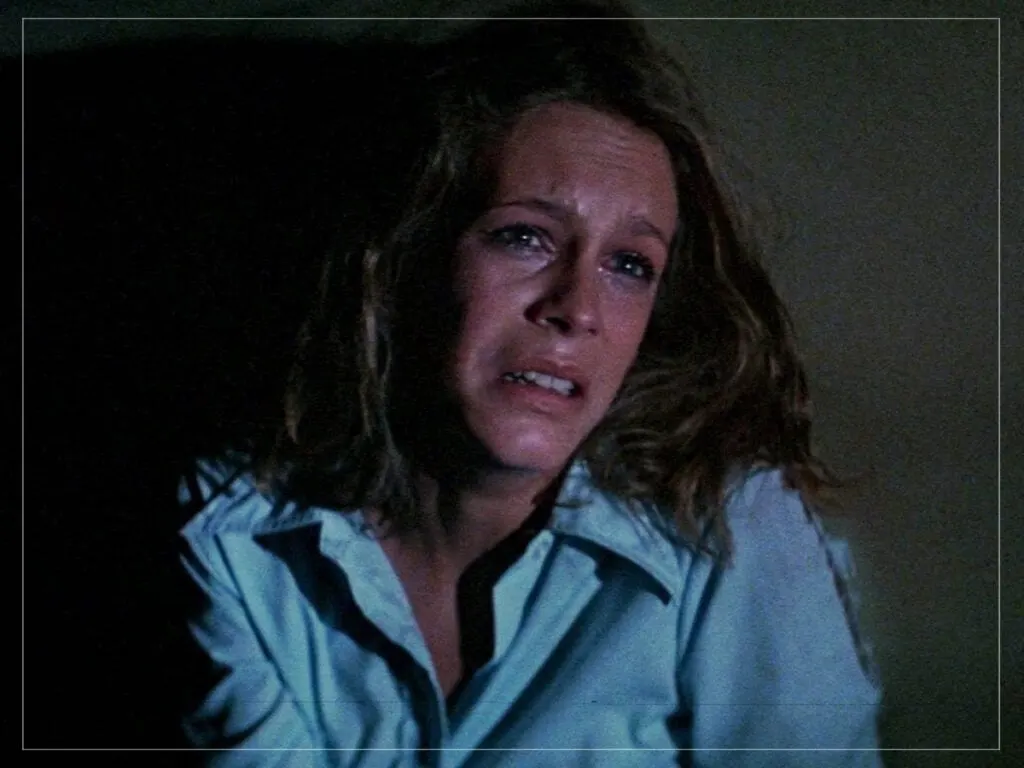
Jamie Lee Curtis has expressed regret about starring in Halloween H20: 20 Years Later (1998), which was created to commemorate the franchise's 20th anniversary. Although original director John Carpenter and producer Debra Hill declined to be involved, Curtis participated regardless—a decision she deeply regrets, stating she should have refused to make the film without Debra Hill's involvement as producer.
The original 1978 Halloween, made on a budget of $300,000, grossed $70 million globally and launched Curtis' career, though she received minimal financial compensation from the franchise. When offered a substantial paycheck for H20, Curtis prioritised the financial opportunity over her artistic principles, resulting in a poorly received and now-dated film. She has since appeared in multiple sequels, including Halloween: Resurrection, Halloween Kills, and Halloween Ends (2022), with rumours suggesting a 50th anniversary film may be planned for 2028.
In short
- Curtis regrets making H20 without original producer Debra Hill's involvement
- She chose financial gain over artistic vision after earning little from earlier films
- The film was poorly received and now seems dated despite its cast
Explained simply
Halloween is a 1978 horror film made on a budget of $300,000 that became a major commercial and cultural success. The film launched Jamie Lee Curtis's career, though she received minimal financial compensation despite its profitability.
In 1998, to mark the franchise's 20th anniversary, Halloween H20: 20 Years Later was released with Curtis reprising her role. Original director John Carpenter and producer Debra Hill did not participate in the 1998 film.
Curtis agreed to return for H20 in exchange for a substantial payment, far more than she had earned from the original 1978 film. Her participation meant appearing in a sequel without director Carpenter or producer Hill, despite the significantly changed financial terms.