Entertainment news and discussion on TalkFuse.
The 2000 movie Demi Moore will always regret making: “The film didn’t get the best of me”
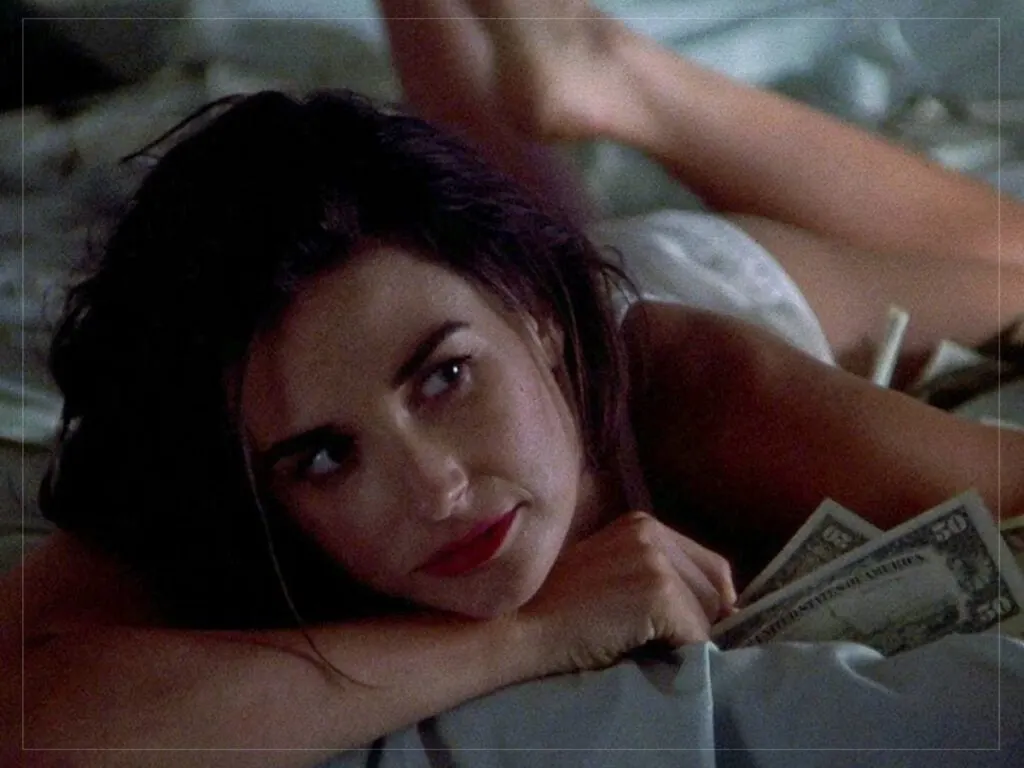
Demi Moore has long regretted making the 2000 film "Passion of Mind," which became a commercial disaster, losing nearly its entire $12 million budget. Rather than blaming the cast, crew or script, Moore attributed the failure to her personal circumstances, stating that she was emotionally unavailable during filming due to her ongoing divorce from Bruce Willis and her mother's death. The film's poor reception prompted her to withdraw from acting for another three years, highlighting how personal crises can severely impact professional performance.
Moore had experienced a dramatic career trajectory, rising to become Hollywood's highest-paid actress in 1996 with "Striptease" before the film's critical panning put her career in jeopardy. "Passion of Mind" dealt a further blow, though Moore took full responsibility, reflecting that as a child of divorced parents herself, she recognised she needed to prioritise her children's wellbeing. Notably, one of the film's assistant directors was film student Coralie Fargeat, who would eventually direct Moore in 2024's "The Substance," earning the actress both an Oscar nomination and a Golden Globe for Best Actress.
In short
- Moore attributes "Passion of Mind" failure to personal crisis, not film quality
- Divorce and mother's death left her emotionally unavailable during production
- Film's assistant director later directed her Oscar-nominated "The Substance"
Steelman: both sides, in good faith
The strongest fair case each way — we don't pick a winner.
The case for
Severe personal crises—parental death and divorce—profoundly impair human functioning and cognitive capacity. Moore's candid acknowledgement of her emotional unavailability and her prioritisation of her children's wellbeing reflects psychological honesty and aligned values. Expecting peak professional performance during such trauma disregards the reality of human psychology and implies that financial stakes should override family responsibility and mental health.
The case against
Major film productions involve hundreds of crew members and substantial financial investment, with numerous livelihoods dependent on success. Actors commanding significant salaries bear a professional obligation to deliver quality work; personal circumstances, whilst genuinely sympathised with, ultimately remain individual responsibility. The failure to manage them professionally affects not merely the actor but the entire team, raising fair questions about whether personal issues should supersede professional commitments to others relying on the work.
Explained simply
Demi Moore was one of Hollywood's most prominent stars in the 1990s, becoming the industry's highest-paid actress in 1996. However, her career had already begun to face difficulties following the critical failure of "Striptease," leaving her professional standing uncertain.
"Passion of Mind," a 2000 film, became a commercial disaster, losing nearly its entire $12 million budget. Moore has attributed the film's failure to her own emotional unavailability during production, citing her ongoing divorce from actor Bruce Willis and her mother's death as circumstances that prevented her from fully committing to the role.
The film's poor reception prompted Moore to withdraw from acting for three years. The situation underscores how significant personal turmoil can affect professional performance, and reflects the toll such circumstances can take on an acting career.