Entertainment news and discussion on TalkFuse.
The 2014 movie Tom Hardy compared to a “student film”
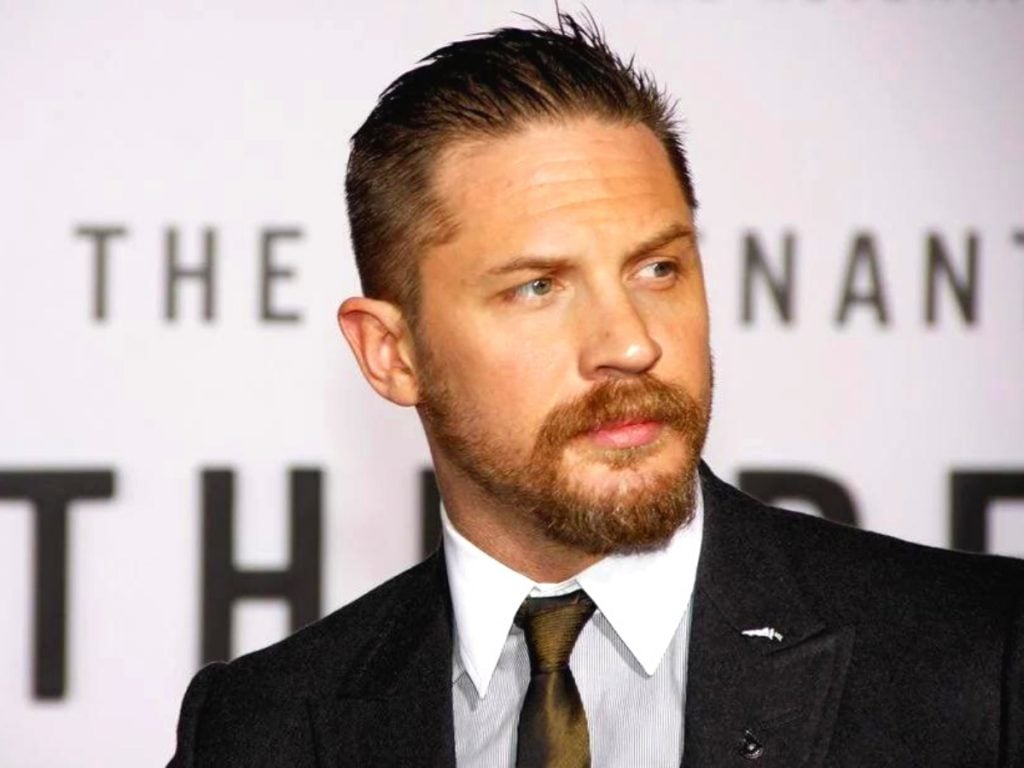
Steven Knight's 2013 psychological drama Locke presents an unconventional showcase for Tom Hardy, who serves as the film's sole visible character whilst traversing from Birmingham to London primarily through telephone conversations. The production's constraint-based approach demanded Hardy carry the emotional weight of the narrative through voice work, facial expression and subtle performance shifts, with minimal reliance on traditional cinematic elements.
Hardy reflected on the experience as offering the creative experimentation typically found in student productions, but executed with the full apparatus and knowledge of professional filmmaking. He emphasised that the minimalist design freed the creative team to prioritise character authenticity and storytelling substance above elaborate production design, representing an atypical artistic gamble for a mainstream actor that ultimately demonstrated Hardy's capacity to sustain engagement through performance alone.
In short
- Tom Hardy starred in Steven Knight's 2013 psychological drama Locke as the film's only on-screen character, communicating primarily through phone conversations during a drive across England.
- Hardy praised the production for offering the creative freedom typical of student filmmaking while maintaining full professional resources and expertise.
- The minimalist framework forced the entire project to rely on character depth and narrative substance rather than spectacle or supporting cast.
Steelman: both sides, in good faith
The strongest fair case each way — we don't pick a winner.
The case for
The minimalist, constraint-based approach of Locke represents bold artistic innovation that demonstrates cinema's power resides in human performance rather than spectacle or multiple characters. By focusing exclusively on Hardy's vocal and facial work across telephone conversations, the film validates a legitimate category of minimalist filmmaking and proves that engaging storytelling needs only authenticity and skilled acting, not elaborate production apparatus or ensemble casts.
The case against
Whilst undoubtedly novel, the single-actor telephone-based format substitutes formal restriction for substantive narrative, treating self-imposed limitation as virtue rather than creative constraint. Genuine cinematic art engages the full range of the medium's tools—ensemble performance, varied locations, physical interaction—and films that deliberately abstain from these may become interesting formal exercises rather than artistically substantial works.
Explained simply
Locke is a 2013 drama directed by Steven Knight that follows an unconventional structure: actor Tom Hardy's character drives from Birmingham to London whilst dealing with a personal crisis, with much of the drama playing out through telephone conversations. The film has an extremely minimalist approach, with Hardy being the sole actor visible on screen throughout.
This constraint meant Hardy had to carry the emotional and dramatic weight of the entire story through his performance, relying on voice work, facial expression and subtle behaviour shifts, with no other actors or elaborate scenery to support him. The stripped-back production design allowed the creative team to focus entirely on character authenticity and the storytelling itself.
When reflecting on the experience, Hardy compared it to the experimental approach of student filmmaking, though executed with the full resources and professional expertise of mainstream cinema. He noted that these limitations actually strengthened the film by forcing focus onto genuine character development rather than traditional cinematic techniques.