The 2022 performance that made Keanu Reeves public enemy number one in China
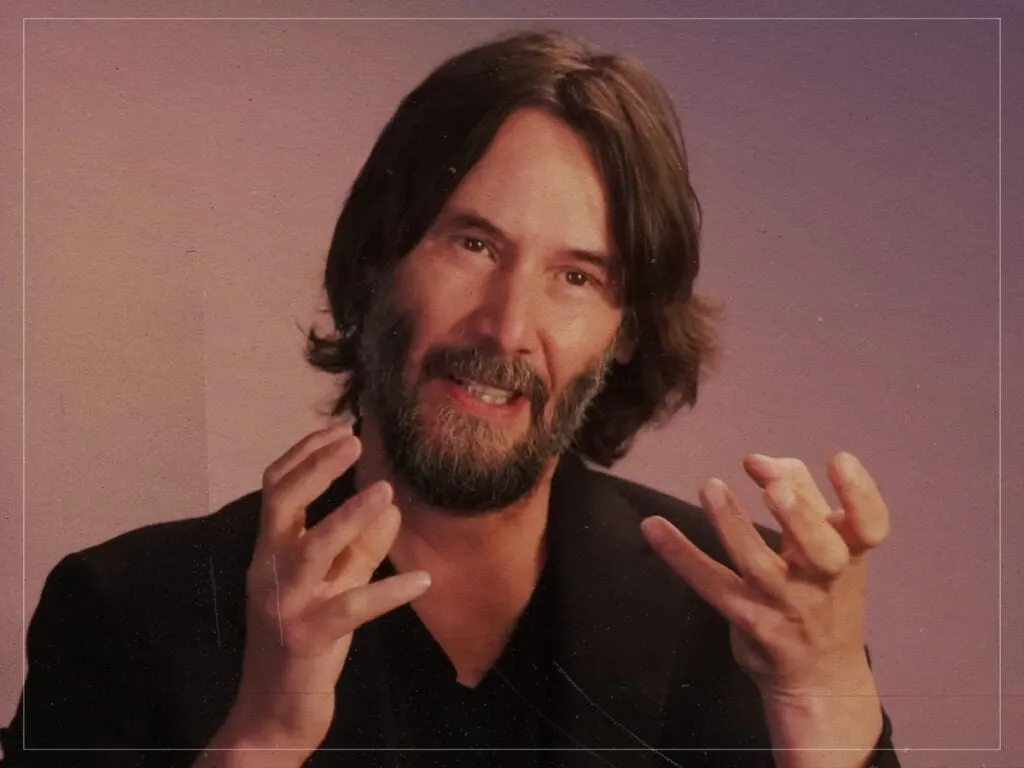
Keanu Reeves became the target of a Chinese state media purge after his long-standing support for Tibetan liberation resurfaced following the 2022 release of *The Matrix Resurrections*, the first Hollywood film to launch simultaneously in China and the West. The backlash reflects Beijing's broader sensitivity around Tibet, a region annexed in 1951 and treated by the Chinese Communist Party as historically inseparable from the state, with any perceived support for its autonomy or the exiled Dalai Lama treated as separatism and typically resulting in bans from Chinese screens and stages.
The trigger was Reeves's recitation of the beat poem "Pull My Daisy" at a Tibet House US benefit concert in New York, which drew attention to political sympathies he had held for years, including his earlier role as Prince Siddhartha in 1993's *Little Buddha*. Within months of the film's Chinese release, which took around $13 million at the box office, nearly all of Reeves's work vanished from Chinese streaming platforms such as iQiyi and Tencent Video, including the *Matrix* films, *Bill & Ted's Excellent Adventure*, *Speed* and *Toy Story 4*, with searches for his name yielding no results. Sources cited by the Los Angeles Times suggest the backlash is largely confined to nationalist circles, with many ordinary Chinese film fans reportedly unbothered by his political views.
In short
- Keanu Reeves's Tibet support saw his films purged from Chinese streaming services
- Trigger was a 2022 Tibet House benefit poem reading, post-Matrix Resurrections release
- Films pulled from iQiyi, Tencent Video; many Chinese fans reportedly unfazed
Steelman: both sides, in good faith
The strongest fair case each way — we don't pick a winner.
The case for
From Beijing’s perspective, opposing Tibetan independence is a matter of territorial integrity and national unity, and public support for Tibetan liberation can be seen as endorsing separatism. Removing Reeves’s work from Chinese platforms may therefore be defended as a way to enforce that political boundary and avoid giving a prominent platform to views the state considers hostile.
The case against
Critics can argue that Reeves’s participation in a benefit concert and his long-standing sympathies are expressions of personal conscience, not proof that his films threaten China’s unity. Erasing his work from streaming services because of those views restricts cultural access and punishes audiences as well as the actor, especially when the reported backlash appears concentrated among nationalist circles.
Explained simply
Tibet is a region governed by China, whose government says it has long been part of the country. The Dalai Lama, Tibet’s best-known spiritual leader, has lived in exile since 1959 and supports greater freedom for Tibetans; Beijing regards support for Tibetan independence as a challenge to its authority.
Keanu Reeves is a Canadian actor known for films including The Matrix and Speed. He has appeared at events supporting Tibet House US, a cultural organisation focused on Tibetan heritage, and played the future Buddha in the 1993 film Little Buddha.
China is a major market for Hollywood films, but access to cinemas and streaming services is subject to state rules and public sensitivities. A dispute over an actor’s political associations can therefore affect whether audiences in China can watch their work.