Health news and discussion on TalkFuse.
The 2024 role Austin Butler played to save his sanity: “For your mental health”
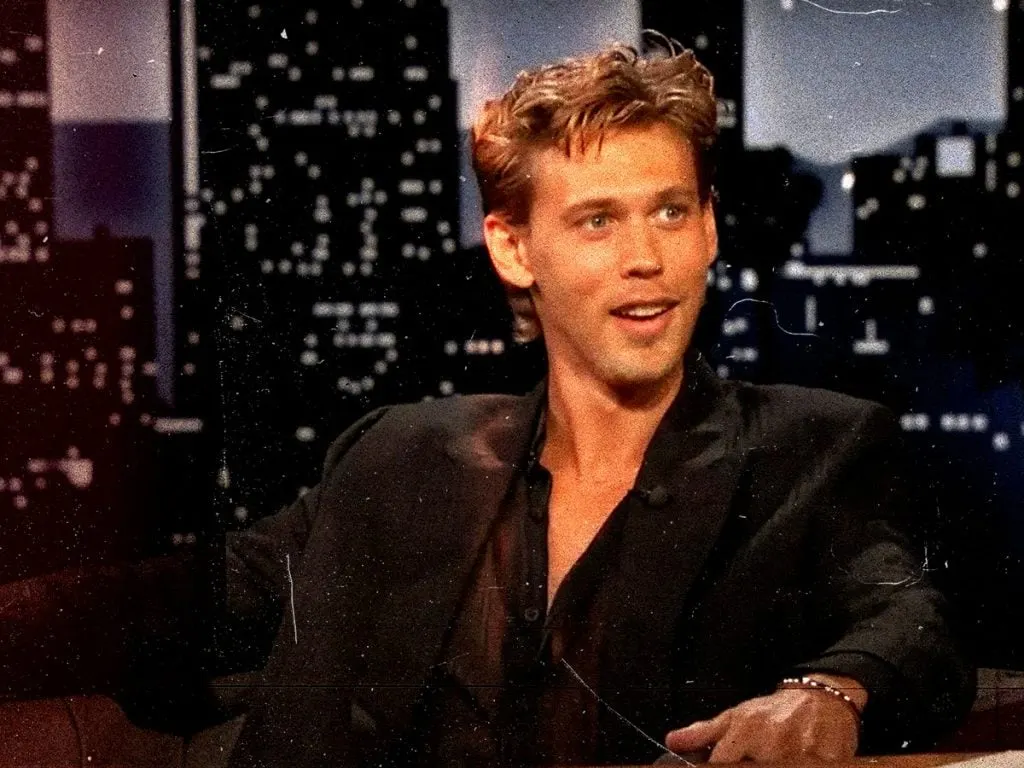
After landing the role of Elvis Presley in Baz Luhrmann's biopic, Austin Butler underwent an extreme transformation to capture the iconic performer authentically. His approach involved years of studying Presley's distinctive behaviours, maintaining the singer's accent continuously during production, and working in significant solitude—a method that, despite yielding critical acclaim, extracted a considerable psychological cost.
Understanding the risks inherent in such total character commitment, Tom Hanks, who played Colonel Tom Parker in the film, recognised Butler's vulnerability and suggested he avoid an abrupt professional hiatus. Hanks offered Butler a role in his forthcoming Apple TV+ production Masters of the Air, a historical war miniseries developed alongside Steven Spielberg. The strategy proved effective: the 2024 series received widespread positive reception and earned Emmy recognition, and Butler's participation helped him transition away from the Elvis character and restore equilibrium to his career.
In short
- Austin Butler's total immersion in Elvis affected his mental state and vocal patterns during and after production
- Tom Hanks intervened by offering him an immediate role in Masters of the Air to prevent post-project distress
- The miniseries helped Butler successfully rebalance his career and move beyond the transformative role
Steelman: both sides, in good faith
The strongest fair case each way — we don't pick a winner.
The case for
Austin Butler's extreme method acting was justified by his status as a consenting professional pursuing artistic excellence. His total immersion in Elvis Presley's mannerisms and voice produced a critically acclaimed, Emmy-recognised performance that authentically honoured the icon, demonstrating that such dedication can yield exceptional results. The industry's supportive response, with Tom Hanks recognising Butler's vulnerability and proactively offering him the Masters of the Air role, shows such challenging work can be undertaken responsibly. Respecting artists' autonomy includes accepting their informed decision to undergo transformative roles when the creative vision demands it.
The case against
Extreme method acting that causes considerable psychological harm should not be normalised, regardless of critical success. The story itself reveals Butler needed significant recovery, suggesting the approach was unsustainable and potentially damaging rather than necessary to produce excellent work—acclaimed performances regularly emerge from actors using less psychologically isolating methods. Rather than relying on informal industry goodwill for recovery, the profession should establish protective guidelines that prioritise mental health as standard practice. Prevention through appropriate boundaries is more ethical and sustainable than accepting psychological damage as an inevitable cost of artistic ambition.
Explained simply
Elvis Presley was a hugely influential American singer and performer, known for his distinctive voice, movement and stage presence. Baz Luhrmann’s film about his life required actor Austin Butler to portray those traits, while Tom Hanks played Colonel Tom Parker, Presley’s manager.
Some actors immerse themselves deeply in a role, changing how they speak and behave during filming. That approach can make it harder to step away from a character, particularly after a long production, and can affect an actor’s wellbeing.
Masters of the Air is a historical drama series about US airmen during the Second World War, made for Apple TV+. Butler’s move to the series gave him a different part to work on after playing Presley, illustrating how a new role can help an actor shift focus.