The 32,000,000-selling album Jeff Lynne called “better than anything else”
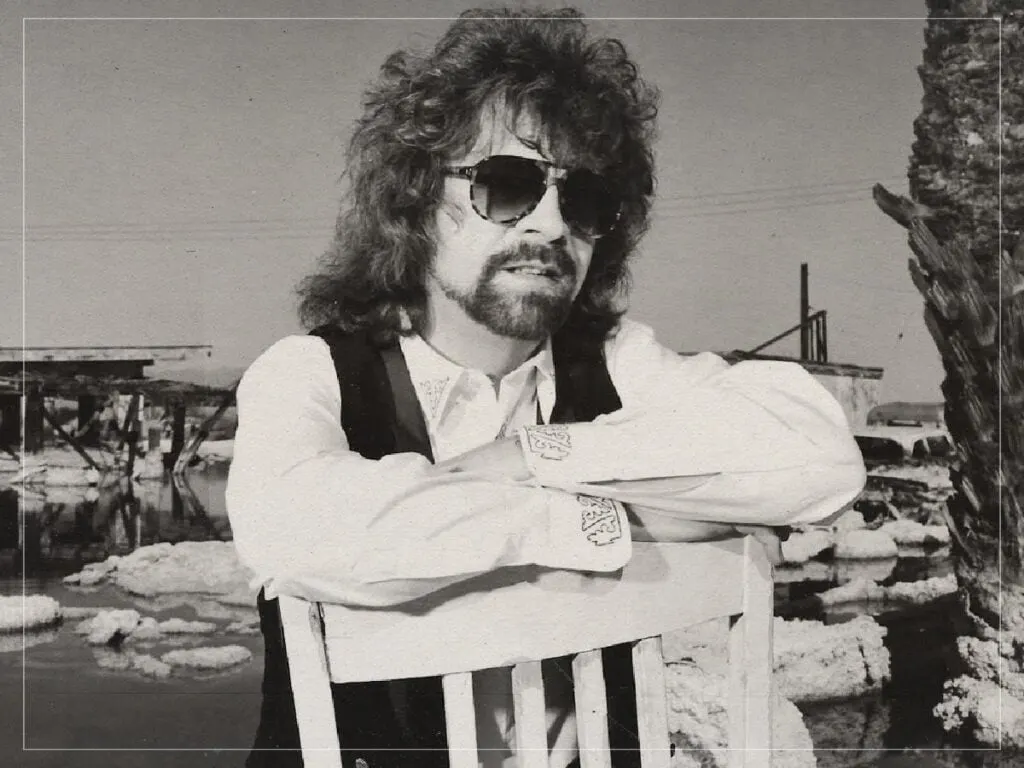
Jeff Lynne praised The Beatles’ *Revolver*, saying it sounded “way better than everything else” when it appeared in 1966. The album’s bold studio experimentation helped set a high bar for pop music and influenced Lynne’s own approach to recording.
The article highlights tracks such as “Eleanor Rigby”, “And Your Bird Can Sing” and “Tomorrow Never Knows”, whose sound could not be recreated in the same way on stage. After the Beatles stopped touring, they treated the studio as an instrument, making *Revolver* a landmark that Lynne regarded as difficult for any later record to match.
- Jeff Lynne called *Revolver* better than anything else around in 1966.
- The Beatles used the studio as an instrument after leaving the road.
- Its experimental sound helped shape Lynne’s musical ambitions.
New here? Start with this
The Beatles were a British band whose music changed rapidly during the 1960s. By the time they made Revolver in 1966, they had begun to move away from straightforward pop songs and experiment with recording techniques and unusual arrangements.
Songs such as “Eleanor Rigby” and “Tomorrow Never Knows” used sounds and instruments that were difficult to reproduce in a live performance. The band increasingly treated the recording studio as part of the music itself, a shift that helped shape how later artists approached making records.
Jeff Lynne, later known for leading Electric Light Orchestra and producing other artists, has cited Revolver as an exceptional album. Its influence matters because it helped widen expectations of what a pop record could sound like.