The 8 Most Influential Hard Sci-Fi Books of All Time, Ranked
Developed over time first seen 2 months ago
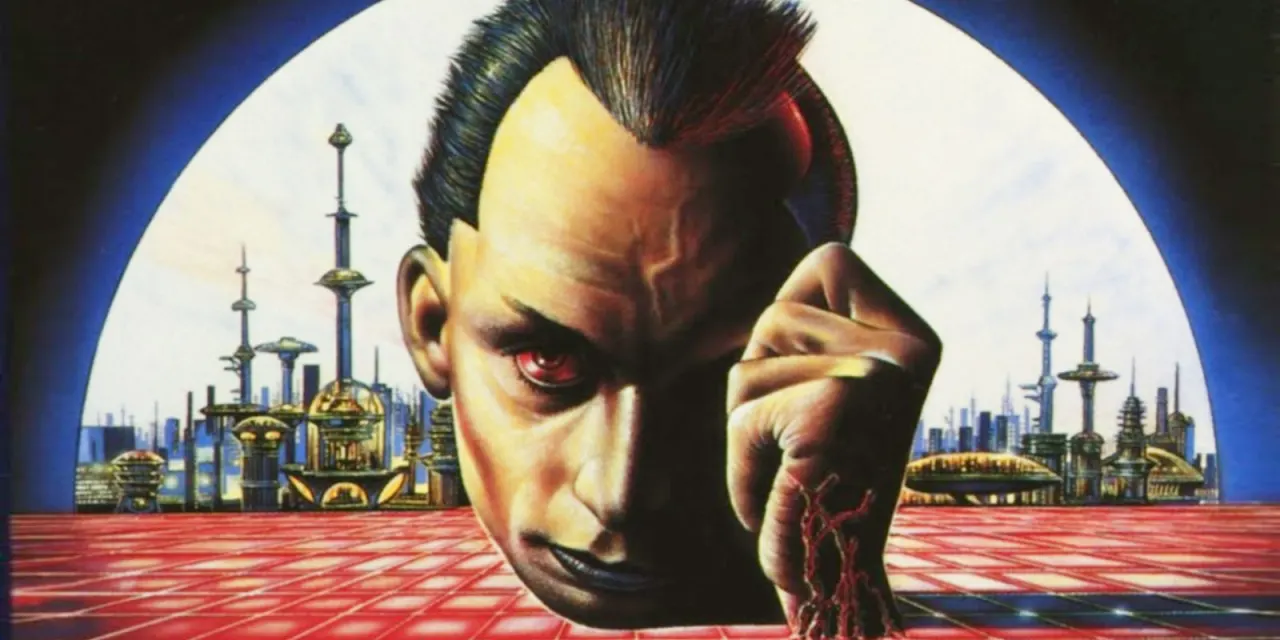
Collider ranks eight hard science-fiction books for their lasting influence on a subgenre defined by close attention to scientific ideas and plausibility. It argues that older novels dominate because their long-term impact is easier to judge, while noting that influential science fiction need not be hard sci-fi.
– *Ringworld* is praised chiefly for its vast constructed-world concept, which influenced later deep-space stories featuring planet-sized artificial structures. – *The Forever War* uses time dilation to follow an interstellar conflict over more than 1,000 years, combining scientific ideas with an anti-war narrative. – *The Andromeda Strain* treats an extraterrestrial disease outbreak with unusual realism, making its premise feel grounded and alarming. – *Neuromancer* is presented as one of the less strictly scientific selections, but still sufficiently rooted in technological speculation to belong in the category.
- The list highlights hard sci-fi’s scientific rigour and historical influence.
- *Ringworld* shaped fictional megastructures in deep-space storytelling.
- *The Forever War* uses time dilation to frame a centuries-long conflict.
New here? Start with this
Hard science fiction is a kind of speculative storytelling that pays close attention to scientific ideas and tries to make its imagined technology or events plausible. Its books often explore how science could shape life, society and the future, though science fiction can be influential without fitting this style.
The books in this discussion include works by Larry Niven, Joe Haldeman, Michael Crichton and William Gibson. They approach science in different ways: Ringworld imagines a vast artificial structure in space, The Forever War uses time dilation to shape an interstellar conflict, and The Andromeda Strain centres on a scientifically grounded disease outbreak.
Influence can mean more than scientific accuracy: a book may shape later stories through its ideas, settings or lasting popularity. These novels also show how hard science fiction can overlap with other concerns, including war and the consequences of new technology.