The 800,000,000-streamed song Stevie Nicks never got to sing
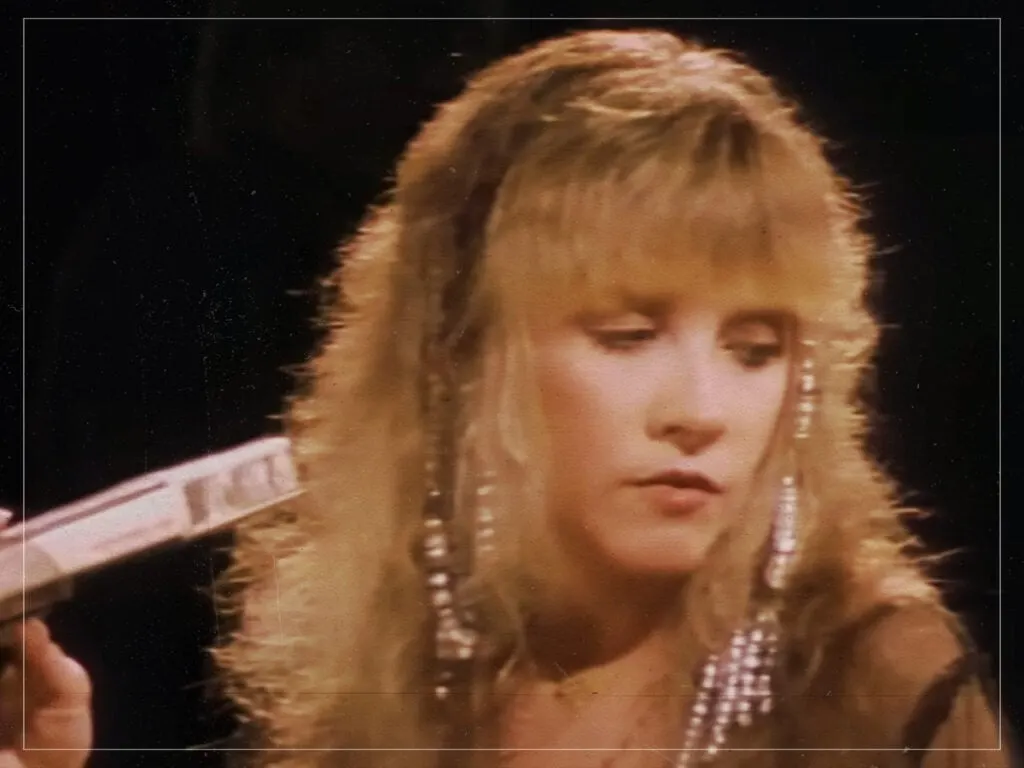
Stevie Nicks was considered for Giorgio Moroder’s song “Call Me” before Debbie Harry recorded it for Blondie. The article argues that Nicks’s decision to pass on the track helped steer her away from a more conventional pop career and towards the rock identity that defined her.
Nicks was developing her solo sound for *Bella Donna*, with producer Jimmy Iovine and songs including “Edge of Seventeen” and “Stop Draggin’ My Heart Around” shaping the album. “Call Me” went on to become one of the 1980s’ biggest songs, with more than 800 million streams, while Harry’s performance gave it the distinctive style listeners know.
- Nicks passed on “Call Me” before Debbie Harry recorded it.
- The song became a major hit for Blondie.
- Her choice helped shape her rock career.
Both sides, in good faith
The strongest fair case each way — we don't pick a winner.
The case for
Nicks’s choice can be seen as an important act of artistic self-definition: she was shaping a solo sound around songs such as “Edge of Seventeen”, and passing on “Call Me” may have helped her avoid a pop direction that did not fit the rock identity she was building. Commercial success alone does not make a song the right choice for an artist, and her later career suggests that staying close to her own instincts had lasting value.
The case against
Passing on “Call Me” may also be viewed as a missed opportunity to explore a broader pop audience while Nicks was establishing herself as a solo artist. The song became a major hit, and recording it could have expanded her musical range or changed the course of her career; the article’s claim that declining it steered her towards rock is necessarily speculative, since her identity was shaped by many choices and influences.