Entertainment news and discussion on TalkFuse.
The albums Stevie Wonder resented Motown for: “I wasn’t growing”
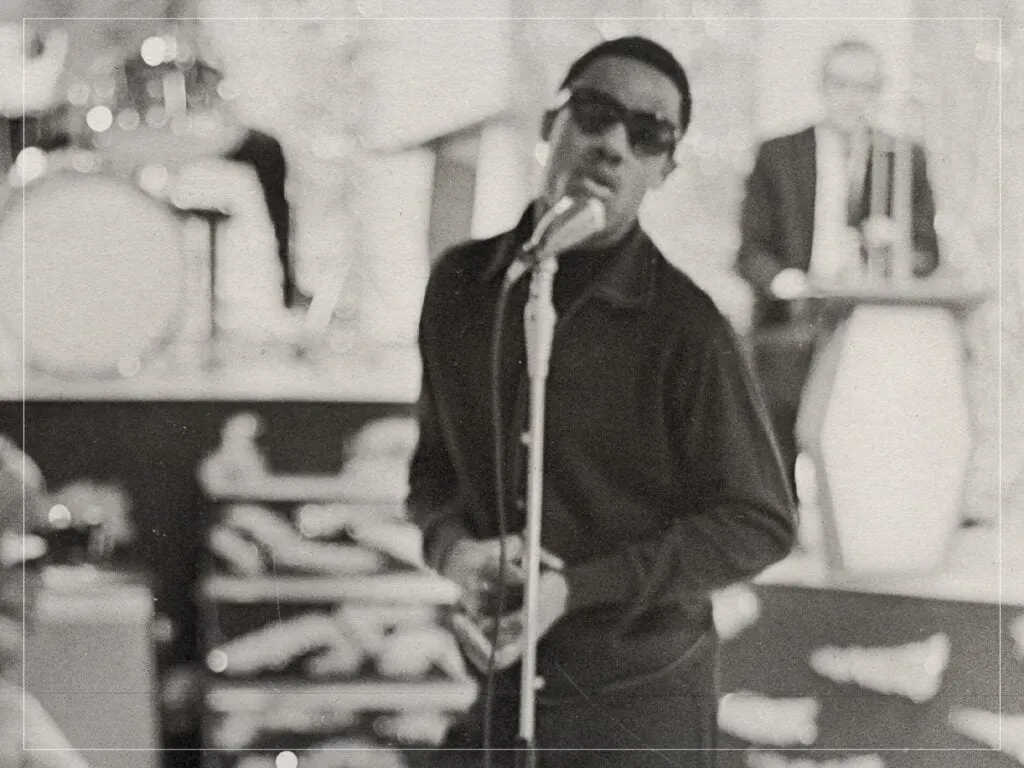
Stevie Wonder later became dissatisfied with the early Motown albums released under his name because he felt they did not reflect his own musical development or creative input. The article argues that this frustration helped drive his push for artistic control, which eventually produced the more ambitious work for which he is best known.
Wonder was signed to Motown as a child and initially recorded material largely selected and shaped by the label, including covers and songs designed to appeal to mainstream audiences. He reportedly felt he had been used as a performer rather than allowed to grow as a songwriter and musician, particularly before renegotiating his contract in the early 1970s. His subsequent creative freedom led to albums such as *Music of My Mind*, *Talking Book*, *Innervisions* and *Songs in the Key of Life*.
In short
- Wonder resented Motown’s limited control over his early recordings.
- He wanted space to develop as a songwriter and musician.
- Greater independence helped create his defining albums.
Steelman: both sides, in good faith
The strongest fair case each way — we don't pick a winner.
The case for
Stevie Wonder's frustration was justified because despite his extraordinary talent, Motown constrained his creative voice during crucial developmental years, prioritising commercial viability over artistic growth. His subsequent masterpieces demonstrate the creative potential that was suppressed, suggesting that even commercial success in those early years came at the cost of his fuller artistic expression.
The case against
Motown deserves credit for discovering, nurturing and developing Stevie Wonder's prodigious talent during his childhood, providing him with professional infrastructure and a platform that few labels would offer a young artist. The early albums, whilst perhaps not fully reflecting his later ambitions, were commercially successful and essential in establishing his career foundation; moreover, the label's system was industry-standard at the time, and without that institutional support, Wonder might never have gained the leverage and resources necessary to renegotiate for the creative control that enabled his greatest work.
Explained simply
Stevie Wonder signed with Motown as a child, when the label guided much of the music he recorded. His early albums included covers and songs chosen to reach a wide audience, while Wonder was still developing as a songwriter and musician.
As he grew older, Wonder wanted more say in what he recorded and how it was made. His push for greater control helped bring a new phase in his career, including albums such as Music of My Mind and Innervisions, which showed a broader range of his songwriting and musical ideas.