New releases, music videos and album news — indie, rap, rock and pop. Always covering Ren, Chris Webby, Sam Tompkins, bbno$, CHINCHILLA, Muse, Yungblud and more.
The Alternative Number Ones: Third Eye Blind’s “Semi-Charmed Life”
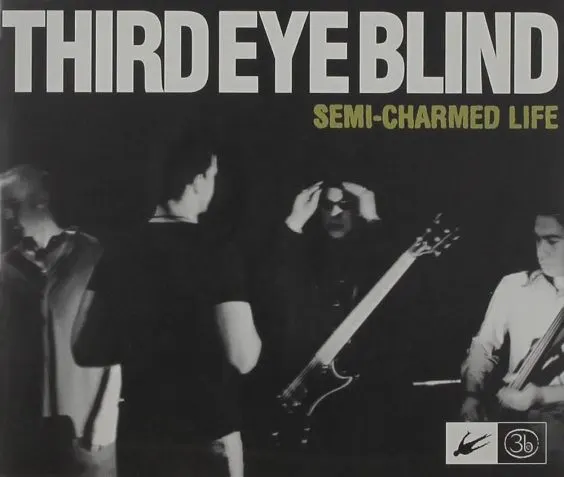
Music writer Tom Breihan revisits Third Eye Blind's 1997 hit "Semi-Charmed Life" in his "Alternative Number Ones" column, which chronicles every number one on Billboard's Modern Rock Tracks/Alternative Songs chart since 1988. He recalls hearing the song constantly as a 17-year-old working at a summer camp, and reflects on how its cheerful, poppy sound masked lyrics explicitly about crystal meth use, allowing it to escape the scrutiny given to other genres with "questionable" content at the time.
The song spent eight weeks at number one from 24 May 1997. Breihan notes that unlike earlier alt-rock songs about heroin, which typically emphasised the downsides of drug use, "Semi-Charmed Life" largely celebrates the frantic high without dwelling on consequences, despite radio edits blurring out the words "crystal meth". He admits that although he long dismissed the song as bad, he has gradually reconsidered that view over the years, even as it resurfaced through TikTok.
In short
- Column revisits Third Eye Blind's 1997 number one "Semi-Charmed Life"
- Song's upbeat sound obscured explicit lyrics about crystal meth
- Writer says he's reconsidering his long-held dislike of the track
Steelman: both sides, in good faith
The strongest fair case each way — we don't pick a winner.
The case for
The song exemplifies a racial and genre double standard in music criticism: a song explicitly celebrating crystal meth reached young audiences because its cheerful production masked its subject matter, receiving far less scrutiny than comparable content in other genres would have faced. The result was that celebration of stimulant use spread without the contextual warnings or consequences messaging that would have been expected elsewhere.
The case against
The artistic contrast between upbeat sound and dark lyrics is precisely the song's creative strength, and audiences were sophisticated enough to appreciate this irony. Radio edits did mark boundaries around explicit content, and arguing that the song needed more scrutiny amounts to demanding gatekeeping rather than trusting listeners to engage with complex art on their own terms.
Explained simply
Tom Breihan's "Alternative Number Ones" column examines each number one hit on Billboard's Alternative Songs chart since 1988. Third Eye Blind's "Semi-Charmed Life" was one such hit, spending eight weeks at the top of the chart beginning in May 1997. The song became ubiquitous on 1990s radio and remains widely remembered.
The song combines an upbeat, pop-friendly melody with lyrics that explicitly reference crystal methamphetamine. Unlike earlier alternative rock songs about drugs, which typically depicted their destructive downsides, "Semi-Charmed Life" largely celebrates the experience without dwelling on consequences. Though radio stations edited out references to the drug, the song's cheerful sound allowed it to avoid the kind of controversy directed at similar content in other genres.
The song's mainstream success despite its explicit drug references illustrates the distinct cultural position alternative rock held in the 1990s. It suggests that different standards were applied to the genre compared with other styles of music, based in part on sound and presentation rather than lyrical content alone.