Culture news and discussion on TalkFuse.
The American dream now comes with a ZIP code: Here’s where starter homes are still within reach
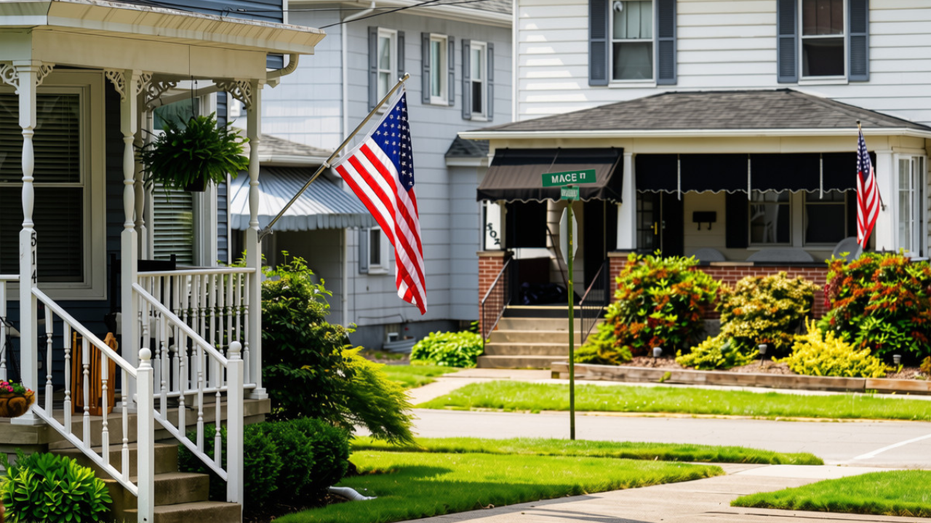
A new Realtor.com report shows the income needed to afford a typical starter home in the US has surged by more than 80% since 2019, far outpacing wage growth and deepening concerns about housing affordability. The findings highlight how home prices have climbed sharply in recent years, pushing homeownership further out of reach for many first-time buyers even as some regions still offer relatively affordable options.
According to the report, prospective buyers now need an annual household income of roughly $78,000 (£61,000) to afford a typical starter home, up from about $43,000 (£34,000) in 2019. The report also identifies specific regions where starter homes remain more accessible, offering first-time buyers a wider selection of properties despite the broader nationwide affordability squeeze.
In short
- Income needed for a US starter home rose over 80% since 2019
- Buyers now need about $78,000 annually, up from $43,000
- Some regions still offer more affordable starter-home options
Steelman: both sides, in good faith
The strongest fair case each way — we don't pick a winner.
The case for
The 80 per cent surge in required income dramatically outpacing wage growth signals a genuine affordability crisis that bars millions from homeownership and wealth-building—a fundamental concern for economic mobility and social stability. This reflects structural barriers including supply constraints, restrictive zoning, and speculative investment that demand urgent policy intervention to restore housing access as a realistic path to the middle class.
The case against
Whilst nominal prices have risen, they reflect genuine scarcity value, improved home quality, and investment in vibrant employment centres rather than mere speculative excess. Many regions maintain affordable options, demonstrating market mechanisms continue functioning for those willing to relocate, and sustainable solutions should prioritise enabling supply growth and geographic mobility rather than interventions that risk distorting the price signals essential for efficient housing markets.
Explained simply
A starter home is typically the most basic property a first-time buyer can afford to purchase, serving as an entry point to homeownership. According to recent analysis, the income required to afford such a home in the United States has increased substantially, rising from approximately $43,000 annually in 2019 to around $78,000 today—an increase of more than 80 per cent in just a few years.
This sharp rise in the income requirement matters because wages have not kept pace with these soaring housing costs. This widening gap means fewer people can qualify for mortgages or save enough for down payments, making the transition to homeownership increasingly difficult for younger people and first-time buyers who form the natural market for these entry-level properties.
The affordability crisis is not uniform across the country, however. Some regions continue to offer starter homes at more modest price points, meaning location plays a significant role in whether homeownership remains achievable for those on modest incomes.
Art Celebrity Culture Entertainment World