World news and discussion on TalkFuse.
The anti-Israel left is escalating its demands — and the threat to Jews has never been more dangerous
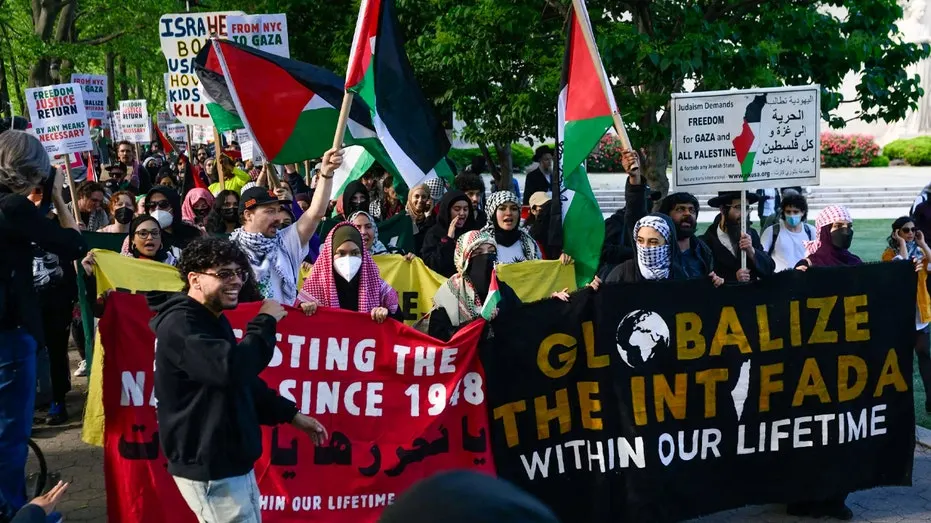
The opinion article argues that anti-Israel activists and politicians are making increasingly far-reaching demands, and says this could heighten threats to Jews. It presents calls for an arms embargo, a Palestinian right of return and reparations as evidence that the movement’s demands are moving from protests and social media towards possible government policy.
The article cites newly elected New York congresswoman Darializa Avila Chevalier’s call to end US funding for Israel, impose a full arms embargo and recognise a right of return, as well as Colorado representative Melat Kiros’s support for a right of return and reparations. It also refers to academic Noura Erakat’s calls for return and reparations, while disputing her views on Hamas. The excerpt ends as the author begins discussing the 2028 presidential race, so it does not provide the promised details.
In short
- The author says anti-Israel demands are escalating.
- Two incoming lawmakers are cited on return and reparations.
- The supplied excerpt cuts off before its discussion of 2028.
Steelman: both sides, in good faith
The strongest fair case each way — we don't pick a winner.
The case for
Supporters argue that ending US military aid and imposing an arms embargo would use legitimate policy tools to prevent civilian harm and press Israel to change course. They see Palestinian return and reparations as claims to address displacement and lasting material losses, and argue that political debate should include these aims even when they are far-reaching.
The case against
Critics argue that cutting aid and imposing a full arms embargo could weaken Israel’s ability to defend itself, including against armed groups, without securing better outcomes for Palestinians. They may also see an unrestricted right of return and reparations as proposals with profound consequences for Israel’s future, and warn that rhetoric or policies targeting Israel can sometimes spill into hostility towards Jews; that risk should be distinguished from criticism of Israeli policy.
Explained simply
Israel is a state in the Middle East, founded in 1948, and Palestinians are a people with deep ties to the same land. The Israeli-Palestinian conflict includes disputes over territory, security, Palestinian statehood and the rights of people displaced during wars, including in 1948.
An arms embargo would restrict or stop weapons sales to Israel, while a right of return refers to Palestinians displaced from their homes and their descendants being allowed to return. Reparations generally means compensation for losses or harm. These proposals are debated in US politics, where Congress and the president influence aid and arms policy towards Israel.
The debate also involves Jewish communities in the United States and elsewhere, whose views on Israel and Palestinian rights vary. Some Jewish people and organisations see anti-Israel activism as a threat to Jewish safety, while others support criticism of Israeli government policy; disagreement over where political criticism ends and antisemitism begins is part of the wider discussion.