Stryker Vision app completes first hip surgery using Apple headset
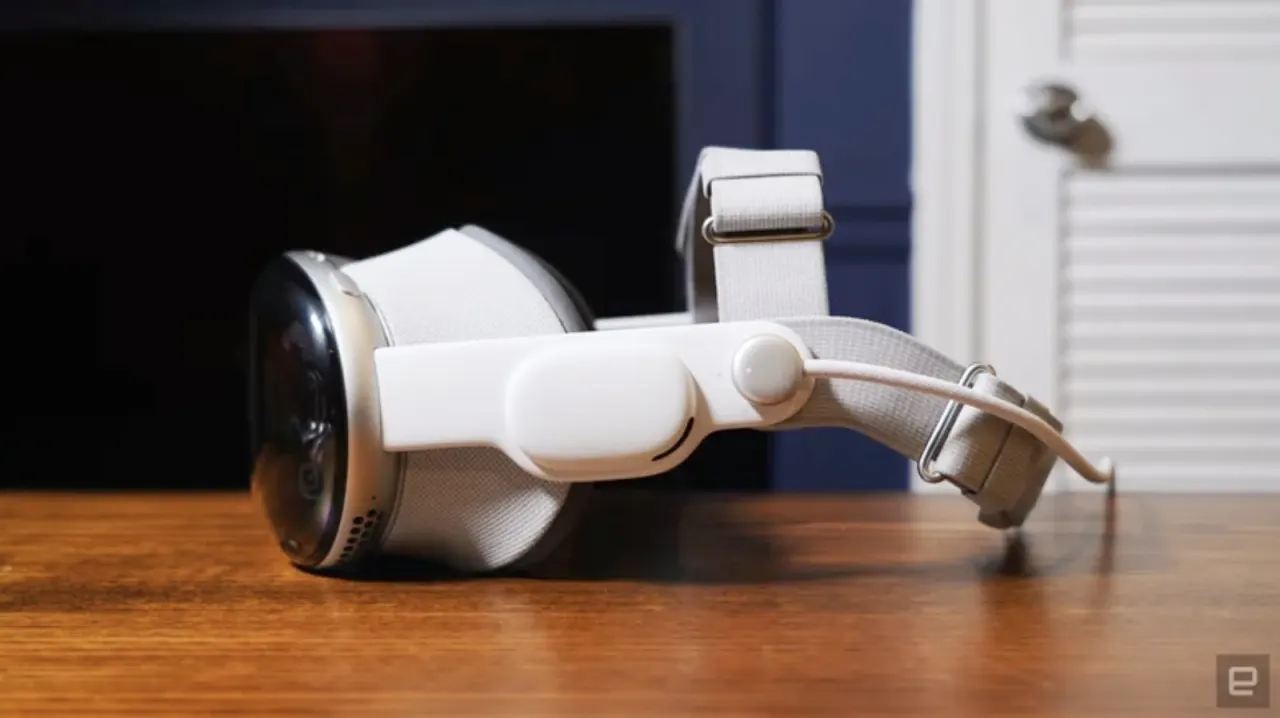
Medical technology firm Stryker has announced that its SportSuite Vision app for the Apple Vision Pro was used in a hip arthroscopy at Duke Health, the first real-world procedure using the software. The milestone offers a glimpse of a niche but genuinely useful application for Apple's mixed-reality headset, which has struggled to find a mainstream consumer audience since launch and reportedly faced significant staff cuts to its development team last month.
Stryker received De Novo authorisation from the US Food and Drug Administration for the software on 17 July. During the operation, surgeon Dr Chad Mather III used the headset to view orthopaedic surgery planning tools, arthroscopic images and CT scans while working within the sterile field, saying the setup let him customise the placement of clinical information to suit his workflow. While the cost and complexity of developing Vision Pro software make everyday medical use unlikely soon, the case is seen as an example of the kind of specialised, high-value scenario where the headset could prove its worth.
In short
- Stryker's Vision Pro app used in a real hip surgery at Duke Health
- Software received FDA De Novo authorisation on 17 July
- Highlights niche medical use despite Vision Pro's mainstream struggles
Steelman: both sides, in good faith
The strongest fair case each way — we don't pick a winner.
The case for
Supporters would say this is a genuine, well-evidenced example of mixed reality finding real clinical value: letting a surgeon view CT scans, arthroscopic images and planning data hands-free and exactly where he wants them within the sterile field is a tangible workflow improvement, not a gimmick. They would point to the FDA's De Novo authorisation as a meaningful safety and efficacy hurdle cleared, and argue that even if Vision Pro never succeeds as a mass consumer device, this shows how the underlying technology can prove itself in narrow, high-stakes settings where the cost is justified by the benefit to patient care.
The case against
Sceptics would caution against reading too much into a single procedure, noting that one case study demonstrates feasibility, not proven improvement in surgical outcomes, and that rigorous comparative trials would be needed before any claim of real clinical benefit. They might worry about introducing costly, complex consumer-derived hardware into a sterile environment where reliability and simplicity are paramount, question whether existing monitors already do the job adequately and more cheaply, and suspect the announcement is, at least in part, a marketing effort to find relevance for a product line that has struggled commercially and suffered recent staff cuts.
Explained simply
Stryker is a large US medical technology company that makes equipment and software used in orthopaedic surgery, the branch of medicine dealing with bones and joints. Its SportSuite Vision app has been designed to work with Apple's Vision Pro, a mixed-reality headset that lets the wearer see digital images and information overlaid on their surroundings. The app has now been used by a surgeon during an actual hip operation, rather than in testing or training.
Apple's Vision Pro launched to a lukewarm reception, struggling to attract everyday consumers because of its high price and limited everyday uses, and the team working on it has reportedly been scaled back. Medical applications like Stryker's are being watched as a possible niche where the headset's ability to display detailed imagery hands-free could offer real, practical value, even if the device never catches on with the general public.
Before software like this can be used on patients in the United States, it typically needs approval from the Food and Drug Administration (FDA), the government body that regulates medical devices and treatments. Stryker's app received this clearance in July, which is what allowed the surgery to go ahead using the headset.
Read the full article at the source →
Originally published by Engadget as “The Apple Vision Pro was used for a successful hip surgery”.