The Army just used a 20-kilowatt laser to take out three drones
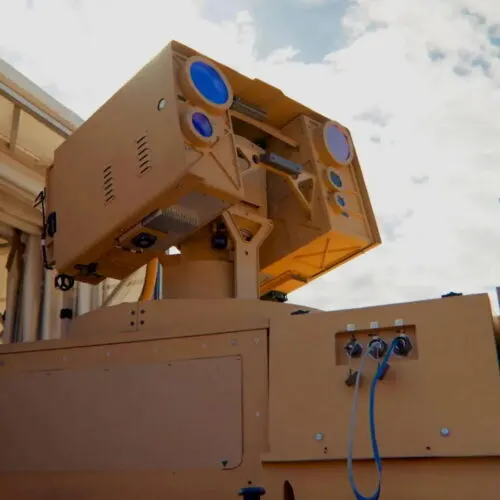
The US Army has used a high-energy laser weapon to destroy three drones near the US-Mexico border, in an operation described by officials as necessary to protect military personnel and Customs and Border Patrol partners. The strike, carried out by the Joint Task Force Southern Border under US Northern Command, marks a notable field use of directed-energy weapons technology and reflects the expanding range of surveillance and defence tools being deployed along the border amid the Trump administration's crackdown on illegal immigration and drug trafficking.
The operation took place overnight between 25 and 26 August in the Rio Grande Valley area of Texas, using technology derived from the Army's High-Energy Multipurpose Laser (AMP-HEL) programme, understood to be the vehicle-mounted Locust Laser Weapon System built by AeroVironment. Operating at 20 kilowatts, the system tracks and illuminates targets before applying concentrated heat to disable or destroy them; newer versions also incorporate radar and command-and-control systems for wider integration into mobile defence networks. JTF-SB commander Curtis Taylor said drones were increasingly being used by cartel networks for smuggling and surveillance, though the exact origin of the destroyed aircraft and the precise location of the operation have not been disclosed.
In short
- Army laser downed three drones near the Texas border in August.
- 20kW Locust system, derived from AMP-HEL programme, disables drones with heat.
- Officials link drones to cartel smuggling and surveillance activity.
Steelman: both sides, in good faith
The strongest fair case each way — we don't pick a winner.
The case for
Supporters argue that using a laser to stop drones can protect troops and border personnel from surveillance or smuggling operations while avoiding the cost and logistical burden of conventional ammunition. They see field trials as a practical way to assess emerging defences against a threat officials say is growing.
The case against
Critics argue that deploying military weapons in a border-security role risks expanding the militarisation of immigration enforcement, especially when the drones’ origin and the operation’s precise location have not been disclosed. They may also question whether a strike was proportionate or necessary without clearer public evidence of the threat, and call for safeguards and oversight as these systems are integrated into wider networks.
Explained simply
Drones are small aircraft flown remotely or by computer, and they are used for tasks ranging from photography to surveillance and carrying goods. Along the US-Mexico border, officials say criminal groups use them to watch patrols and support smuggling, though the origin of these three aircraft has not been confirmed.
The US Army is part of the country’s armed forces, while Customs and Border Protection is the agency responsible for managing the border and enforcing customs rules. The operation involved a laser system developed through the Army’s high-energy laser programme, which uses focused light to heat and disable a target.
The episode matters because it shows how military technology is being used in border security, where officials say they face risks from drones. Lasers can engage aircraft without firing conventional ammunition, but their use also raises questions about how such systems are controlled and integrated into operations near the border.