Culture news and discussion on TalkFuse.
The art of protection – inside an F1 helmet factory
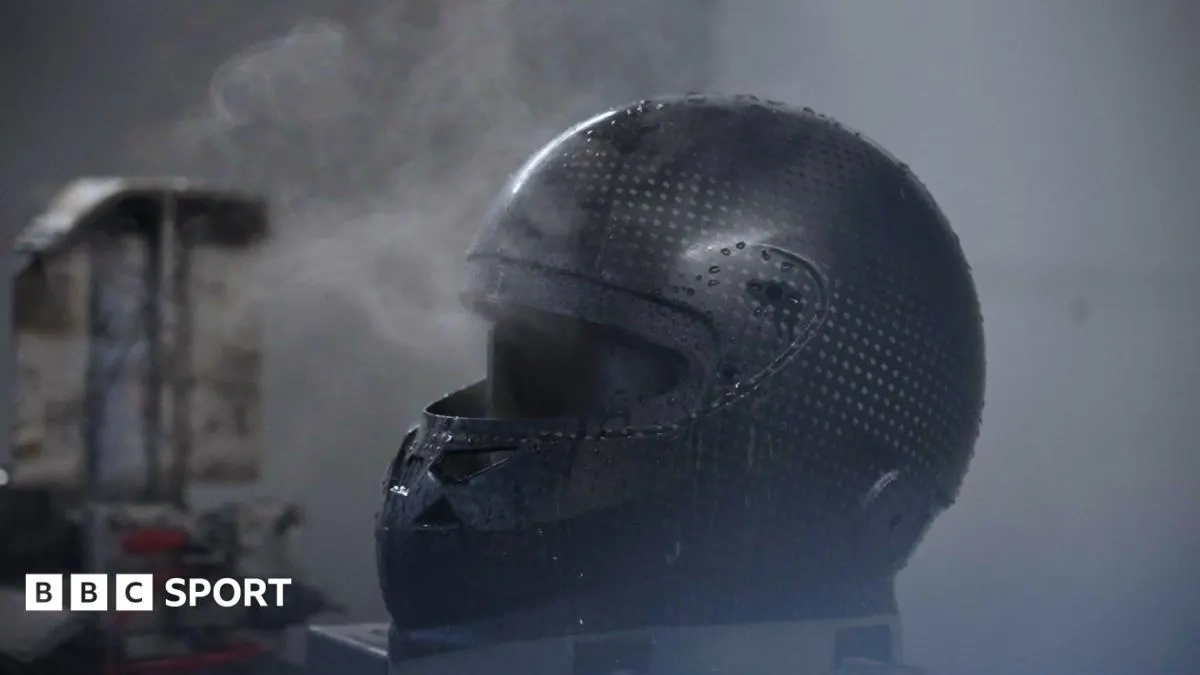
F1 helmets are built by hand in a temperature-controlled factory in northern Italy, where precise work with carbon fibre helps protect drivers such as Max Verstappen and Isack Hadjar. The article shows how helmet design has developed alongside wider safety measures, while stressing that even advanced equipment cannot prevent every injury.
Workers shape layers of carbon fibre stored at -16°C, then bake each helmet in a vacuum bag at 120°C for three and a half hours. The factory is one of four leading F1 helmet manufacturers, employing 34 people; its work reflects decades of change, from early cloth caps to full-face helmets and stricter FIA standards introduced in 2004. Accidents involving Niki Lauda, Ayrton Senna, Jules Bianchi and Romain Grosjean illustrate both the risks and the role helmets play within a broader safety system.
In short
- F1 helmets are painstakingly handmade in northern Italy.
- Carbon fibre is stored at -16°C before being moulded and baked.
- Helmets are one part of F1’s wider safety system.
Explained simply
Formula One drivers race at high speed, so their helmets are designed to protect the head from impacts, heat and debris. They are made from layered materials including carbon fibre, with much of the work done by hand to meet strict safety requirements.
Helmet design has changed from the cloth caps worn by early drivers to today’s full-face equipment. The sport’s governing body, the FIA, sets standards for helmets as part of wider safety measures, which also include the car and circuit.
Crashes involving drivers such as Niki Lauda, Ayrton Senna, Jules Bianchi and Romain Grosjean show the dangers of motor racing. Helmets can reduce the risk of serious injury, but they cannot remove every danger.