Entertainment news and discussion on TalkFuse.
The Assassin’s Creed Odyssey and Marvel’s Spider-Man resurgence proves that games don’t always need new content – sometimes they just need Hollywood
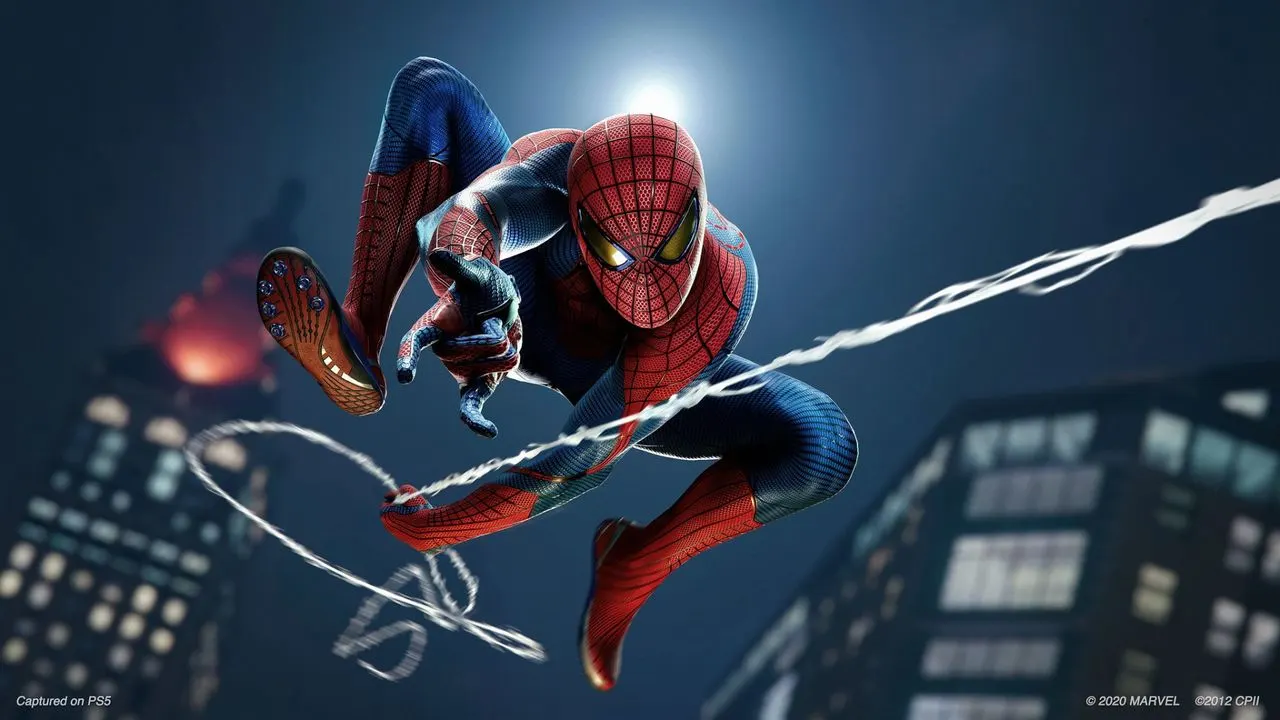
Assassin's Creed Odyssey and Marvel's Spider-Man have both seen a notable resurgence in players, and the trigger appears to be renewed attention from Hollywood rather than any fresh in-game content or updates. The trend suggests that big screen and streaming tie-ins can drive people back to older titles just as effectively as new expansions or patches, highlighting how much publishers can benefit from cross-media exposure long after a game's original release.
The piece frames this as evidence that keeping a back catalogue relevant doesn't always require costly new development — sometimes a well-timed film, show or marketing tie-in is enough to reignite interest. It points to Assassin's Creed Odyssey and Marvel's Spider-Man specifically as case studies, noting that both games have benefited from wider entertainment moments connected to their franchises rather than from any recent patches or content drops.
In short
- Assassin's Creed Odyssey and Marvel's Spider-Man are seeing renewed player interest.
- The boost is linked to Hollywood/media attention, not new updates.
- Shows older games can be revived through cross-media exposure alone.
Steelman: both sides, in good faith
The strongest fair case each way — we don't pick a winner.
The case for
This trend demonstrates intelligent resource allocation within an industry where development budgets are substantial. Publishers can maintain cultural relevance and player engagement through cross-media synergy rather than expensive new content cycles, and players benefit from experiencing beloved titles alongside fresh Hollywood releases. The commercial success of older games through tie-in exposure suggests that constant expansions and live-service updates are not always necessary to keep gaming properties valuable and active.
The case against
This pattern indicates creative stagnation and unhealthy over-reliance on established intellectual property rather than investment in innovation. Players are revisiting older games instead of receiving fresh experiences, whilst publishers profit from Hollywood exposure without delivering meaningful new value. The trend risks incentivising complacency and predictable franchise management over the kinds of bold creative risks that drive the medium forward.
Explained simply
Assassin’s Creed Odyssey is a 2018 action-adventure game set in ancient Greece, while Marvel’s Spider-Man is a 2018 superhero game in which players take the role of Peter Parker in New York. Both are older releases from well-known entertainment franchises.
Games can attract new players long after launch through updates, expansions or renewed attention to their characters and stories elsewhere. When a film or television project puts a franchise back in the public eye, some viewers may seek out its games, giving publishers another way to keep older titles visible.