Entertainment news and discussion on TalkFuse.
The band David Crosby knew he never belonged in: “Primitive shit”
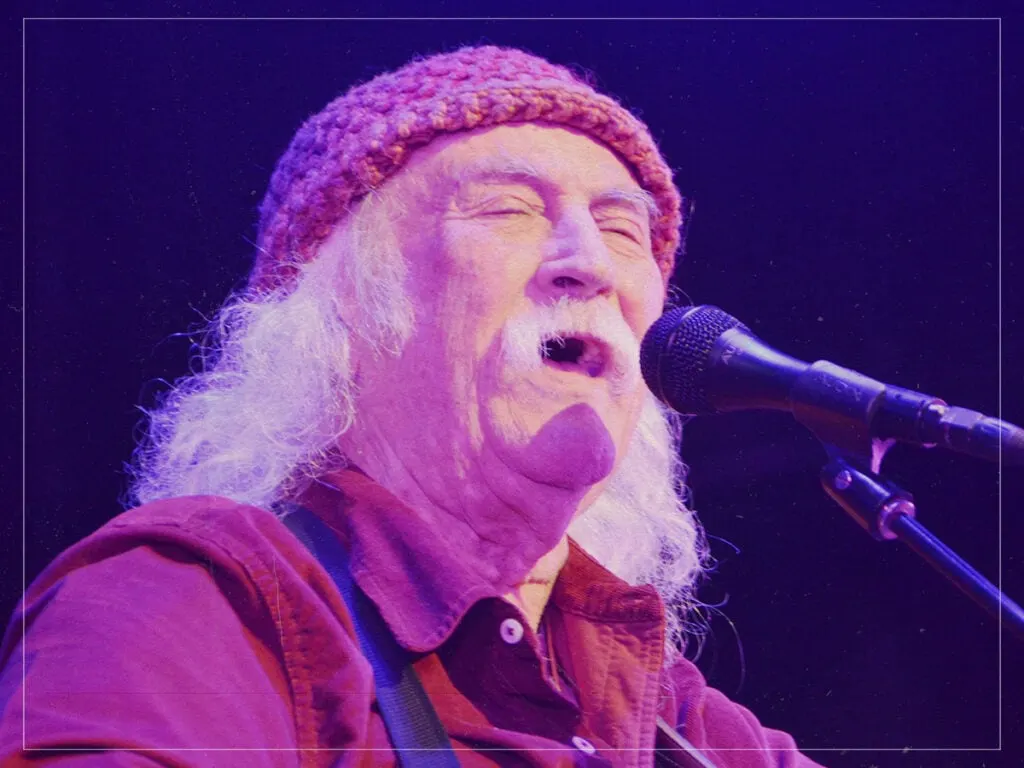
David Crosby said he knew he did not belong in The Byrds for their entire existence, describing the group’s music as too primitive for his ambitions. The comments underline the creative tensions that shaped his departure and later move towards the more harmonically ambitious Crosby, Stills, Nash & Young.
Crosby co-founded The Byrds in 1964 and helped establish their influential folk-rock sound, but he increasingly clashed with fellow members over artistic direction and his outspoken views. He was dismissed from the band in 1967, after which he joined Stephen Stills and Graham Nash to form Crosby, Stills & Nash; the new group became known for its intricate vocal arrangements and more varied songwriting.
In short
- Crosby felt creatively mismatched with The Byrds.
- He called the band’s music “primitive shit”.
- His exit led towards Crosby, Stills & Nash.
Steelman: both sides, in good faith
The strongest fair case each way — we don't pick a winner.
The case for
Crosby demonstrated genuine artistic intuition in recognising his creative ambitions exceeded The Byrds' musical scope. His subsequent work with Stills and Nash, celebrated for its sophisticated harmonies and arrangements, vindicated his instinct to seek collaborators better matched to his artistic vision.
The case against
The Byrds' folk-rock innovations were genuinely influential, and Crosby's retrospective dismissal of work to which he himself significantly contributed seems ungracious. His characterisation fails to acknowledge his own role in the band's achievements and risks unfairly diminishing a collaboratively created legacy.
Explained simply
The Byrds were an American band formed in 1964, known for blending folk music with rock. David Crosby was one of the founding members, alongside musicians including Roger McGuinn and Gene Clark.
Crosby’s musical ambitions and outspoken views brought him into conflict with other members, and he left the band in 1967. He then formed Crosby, Stills & Nash with Stephen Stills and Graham Nash, a group noted for its close vocal harmonies and broader range of songs.
The story reflects a wider tension between a band’s shared sound and its members’ individual artistic goals. The Byrds helped shape folk-rock, while Crosby’s later group pursued a different musical direction.