Entertainment news and discussion on TalkFuse.
“The basement where we rehearsed got flooded and some of our equipment we just had to throw away”: How Meshuggah foresaw the future of extreme metal with 1995’s Destroy Erase Improve
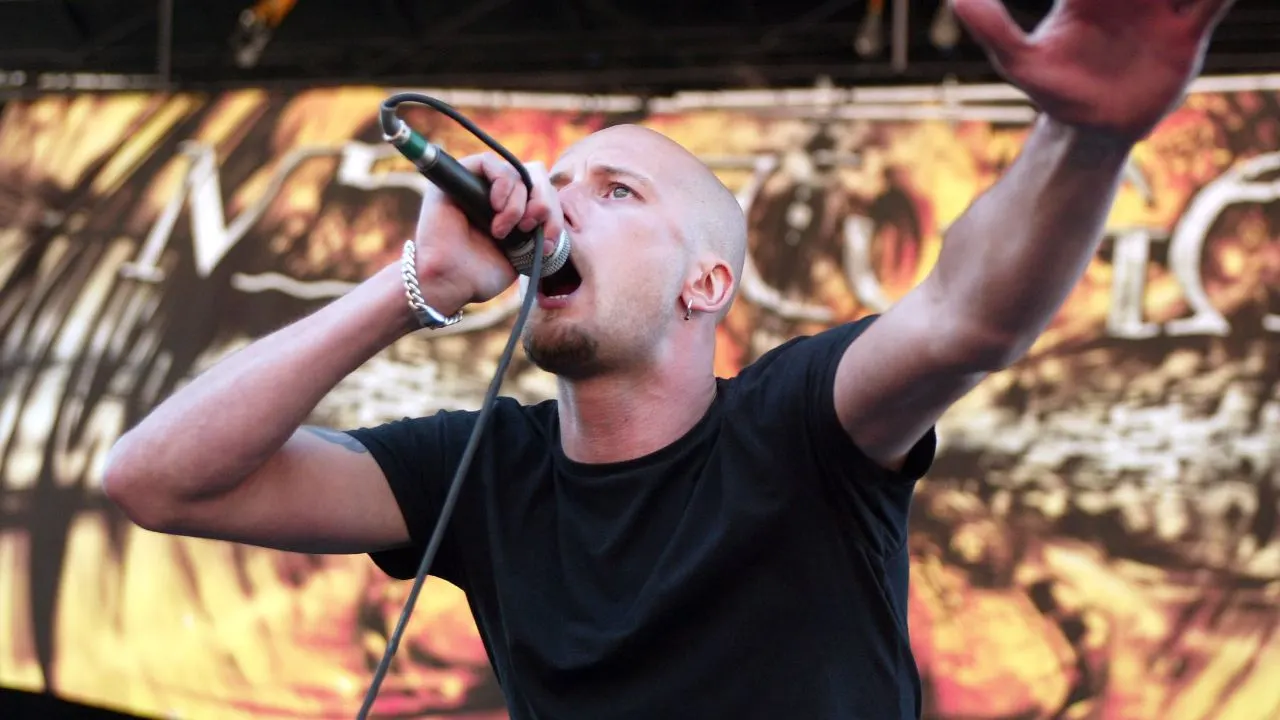
This retrospective from Louder traces how Swedish band Meshuggah's 1995 album Destroy Erase Improve became a landmark record that anticipated the direction extreme metal would take in the following decades. Formed in 1987 and taking their name from the Yiddish/Hebrew word for "crazy", the band began in the more progressive corners of thrash metal before developing the intricate, polyrhythmic and highly technical sound for which they later became renowned.
The article recounts the band's early evolution, from their 1989 self-titled debut (also known as Psykisk Testbird), which leaned heavily on thrash influences from acts such as Metallica, through to 1991's Contradictions Collapse, their first full-length release for Nuclear Blast, made after drummer Tomas Haake joined the line-up. It also references the difficult conditions surrounding the making of Destroy Erase Improve, including a flooded rehearsal basement that forced the band to discard damaged equipment, underlining the practical challenges they overcame to produce an album now regarded as pivotal to the genre.
In short
- Meshuggah's 1995 album Destroy Erase Improve shaped extreme metal's future.
- Band formed 1987, evolved from thrash into technical, polyrhythmic metal.
- A flooded rehearsal space forced them to bin damaged gear.
Explained simply
Meshuggah is a Swedish metal band formed in 1987, with a name derived from the Yiddish and Hebrew word for "crazy". Beginning in progressive thrash metal circles, they gradually moved towards increasingly complex material built on intricate polyrhythmic structures that set them apart from their peers.
The band released their self-titled debut in 1989 and moved to the Nuclear Blast label for their 1991 album Contradictions Collapse. Drummer Tomas Haake joined during this period, establishing the core line-up that would drive their sound through the following years.
Destroy Erase Improve arrived in 1995, showcasing Meshuggah's intricate polyrhythmic approach at full album length. Created under difficult circumstances including a flooded rehearsal basement, the album would later be viewed as particularly significant within the evolution of extreme metal.