Politics news and discussion on TalkFuse.
The battle for Congress is just the beginning. Here’s what’s at stake on Election Day
Developed over time first seen 5 hours ago
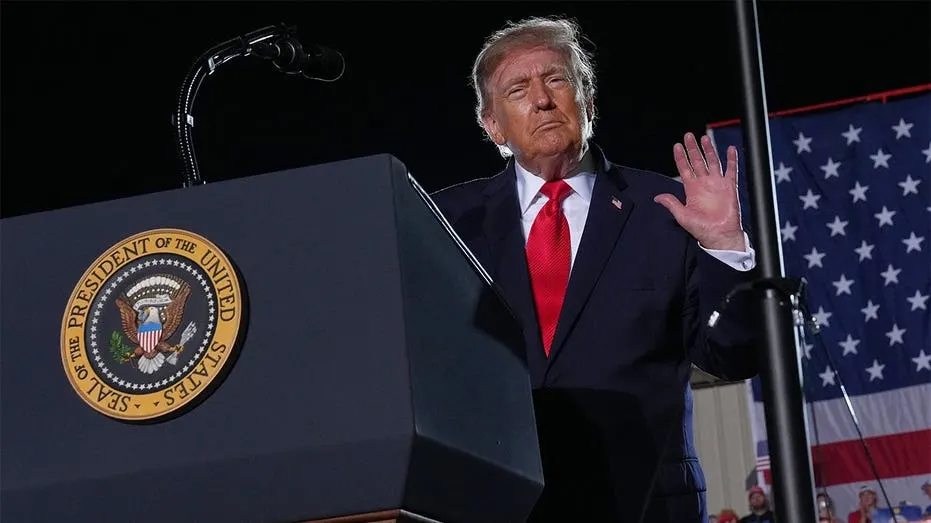
American voters are choosing control of Congress, with Republicans defending narrow majorities in both chambers. The result will shape the final two years of President Donald Trump’s term, while elections for governors, state legislatures and ballot measures will also influence policy across the country.
Republicans face the historical tendency for the president’s party to lose seats in midterms, alongside inflation, low presidential approval and signs of stronger Democratic enthusiasm. More than 54 million people had voted early, nearly nine million more than in 2022. Democrats need a net gain of four Senate seats or three House seats to take control; the Senate was rated a toss-up, while forecasters favoured a Democratic House win. Governors’ races in 36 states and 145 statewide ballot measures are also on the ballot.
- Sources
- 2
- Outlets
- 1
- Left · Centre · Right
- 0 · 0 · 2
In short
- Voters are deciding control of Congress and more.
- Democrats need four Senate seats or three House seats.
- More than 54 million people voted early.
How this story developed
- 19 minutes ago American voters are choosing control of Congress, with Republicans defending narrow majorities in both chambers. The result will shape the final two years of President Donald Trump’s term, while elections for governors, state legislatures and ballot measures will also influence policy across the country.
Steelman: both sides, in good faith
The strongest fair case each way — we don't pick a winner.
The case for
Republicans could argue that keeping control of Congress would let them advance the president’s agenda and provide continuity in government. They may also say voters should judge the party on its policies and candidates in each race, rather than assume midterm patterns or early-voting figures determine the outcome.
The case against
Democrats could argue that winning one or both chambers would give voters a check on the president and a chance to change the direction of federal policy. They may point to economic concerns, low presidential approval and the historical tendency for the president’s party to lose seats as reasons for a shift in control.
Explained simply
Congress is the US legislature, made up of the House of Representatives and the Senate. Its members pass federal laws, approve spending and oversee the president; the party with the most seats in each chamber has greater influence over that work.
Midterm elections take place halfway through a president’s four-year term. Voters also choose many state governors and lawmakers, who shape local policy, while ballot measures let voters decide particular questions directly.
Control of Congress affects how much support or opposition a president faces when pursuing policies. State results matter too, because governors and legislatures make decisions in areas such as education, health and elections.
Coverage · 2 sources
Bias meters
From 2 rated sources.
Elections Government Politics World