Entertainment news and discussion on TalkFuse.
The Beach Boys started making an album of oldies. Then Mike Love ruined it for Brian Wilson
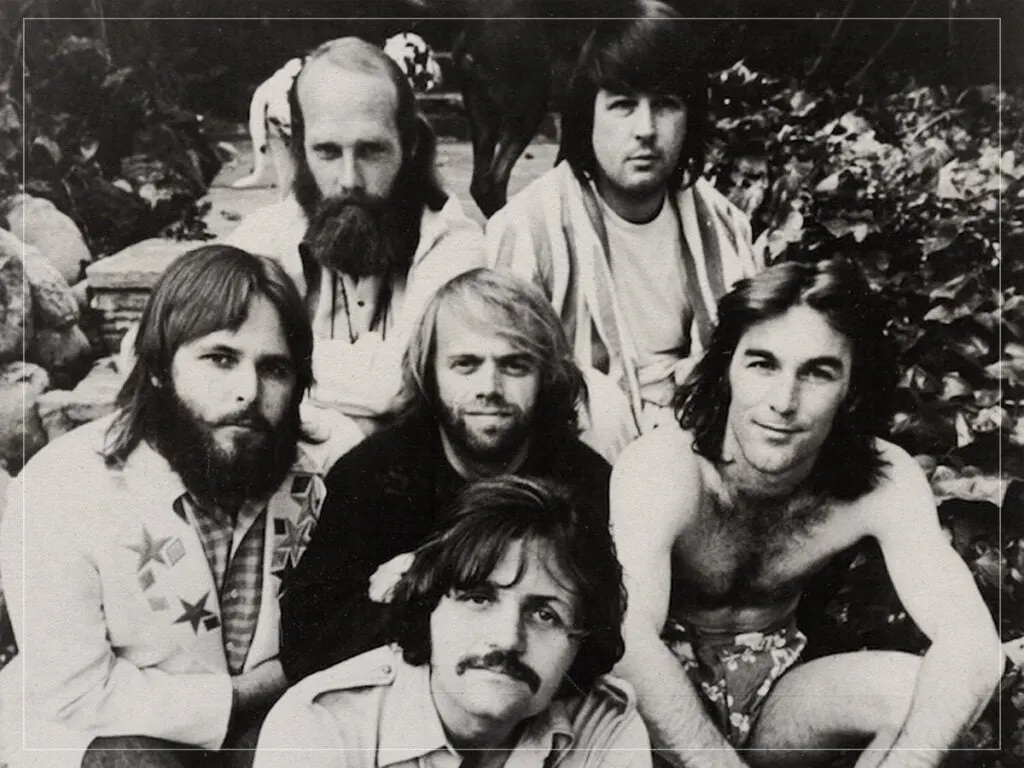
The Beach Boys’ 1976 album *15 Big Ones* began as a collection of oldies, but Mike Love pushed for it to include new songs as well. Brian Wilson later said he resented the change and felt Love had forced the decision, making the record a flashpoint in their struggle over the band’s direction.
The article argues that the album’s nostalgic covers, including Chuck Berry’s “Rock and Roll Music”, sound less vital than the group’s earlier work. It contrasts *15 Big Ones* with the more experimental *The Beach Boys Love You*, suggesting Wilson’s later approach better reflected the band’s circumstances, even if it was uneven.
In short
- *15 Big Ones* shifted from all covers to a mix of old and new.
- Brian Wilson said Mike Love forced the change.
- The article favours the band’s more experimental next album.
Steelman: both sides, in good faith
The strongest fair case each way — we don't pick a winner.
The case for
Love’s push to include new songs could be seen as a practical effort to keep the Beach Boys creatively active and relevant, rather than relying entirely on familiar hits. A mix of covers and original material might also have offered a compromise between the group’s commercial appeal and Wilson’s return to recording.
The case against
Wilson’s objections carry weight because the album had begun as an oldies project, and changing its direction against his wishes could undermine both his creative agency and the trust needed for collaboration. The resulting covers may also have seemed artistically less compelling than new work shaped around the band’s present circumstances.
Explained simply
The Beach Boys are an American band who became famous in the 1960s for harmony-rich pop songs about youth and California life. Brian Wilson was a founding member, singer and songwriter whose increasingly ambitious studio work helped shape the band’s sound; Mike Love, his cousin and a fellow founding member, was another of its lead singers and songwriters.
By the mid-1970s, the group was balancing its established audience and familiar hits with Wilson’s interest in making new, more experimental music. That tension matters because decisions about what to record also reflected disagreements over who should guide the band and what its future should sound like.