Entertainment news and discussion on TalkFuse.
The Beatles Song Parents Wanted Banned Became a Rock Masterpiece
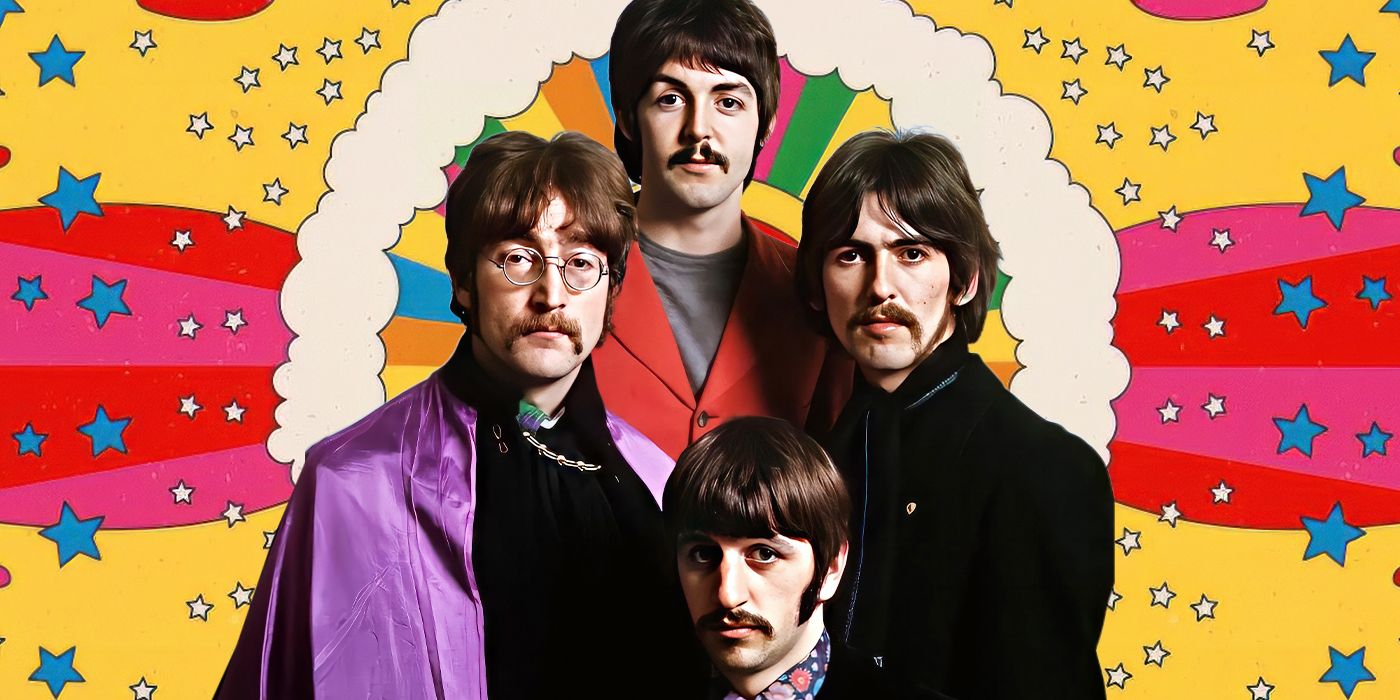
This feature article from Collider revisits The Beatles' 1967 track "A Day in the Life", the closing song on their landmark album Sgt. Pepper's Lonely Hearts Club Band, and argues that attempts to censor it only cemented its status as a rock masterpiece. The piece places the song in the context of the band's decision to stop touring in 1966, after chaotic crowds and poor live sound had begun to hamper them, prompting a shift towards more ambitious studio work. It matters as an example of how censorship can backfire, with the controversy ultimately enhancing rather than diminishing the song's reputation.
The article highlights the creative partnership between John Lennon and Paul McCartney, noting that McCartney contributed the nostalgic middle section about a teenager heading to school, echoing the mood of "Strawberry Fields Forever" and "Penny Lane", while Lennon's ambiguous, psychedelic lyrics sparked outrage and a BBC ban. It situates the song within a wider anxiety about Sgt. Pepper tracks such as "Lucy in the Sky with Diamonds" and "Being for the Benefit of Mr. Kite!", which were suspected of drug references despite what the author calls their innocent origins. Unlike those songs, the writer states, "A Day in the Life" was intended as a deliberate provocation, and the backlash only added to its enduring legend.
Steelman: both sides, in good faith
The strongest fair case each way — we don't pick a winner.
The case for
The story of 'A Day in the Life' illustrates the self-defeating nature of artistic censorship; the song's enduring masterpiece status and cultural influence demonstrate that suppressing creative expression based on moral concerns ultimately fails, and that artistic freedom should be trusted to navigate public discourse better than institutional restrictions.
The case against
Whilst the song is undoubtedly a masterpiece, legitimate questions existed about broadcasting explicit drug references to young audiences during a period of genuine social concern about youth and narcotics; the song's later artistic acclaim and cultural importance should not wholly dismiss the principle that institutions may reasonably consider the appropriateness of certain content for particular audiences, a tension that remains unresolved rather than simply vindicated by artistic success.
Explained simply
"A Day in the Life" is a song by The Beatles from their 1967 album Sgt. Pepper's Lonely Hearts Club Band. The track came during a pivotal moment for the band: after years of touring, they had stopped performing live in 1966 because large crowds and poor sound equipment were preventing them from playing well, which pushed them to focus instead on more ambitious work in the recording studio.
The song brought together the songwriting talents of John Lennon and Paul McCartney in different ways. McCartney wrote a nostalgic middle section about a young person getting ready for school, whilst Lennon contributed psychedelic and ambiguous lyrics that alarmed many listeners, leading to a ban by the BBC. Several other tracks on the album, including "Lucy in the Sky with Diamonds" and "Being for the Benefit of Mr. Kite!", faced similar suspicions about hidden meanings, though those songs were not necessarily intended as such.
What makes this story significant is that the attempt to suppress the song appears to have strengthened rather than weakened its place in rock history. Unlike some of the other controversial tracks on the album, "A Day in the Life" was deliberately crafted as a provocation, and the backlash it provoked has only added to its reputation as one of the era's most important records. The episode illustrates how censorship can sometimes achieve the opposite of what was intended.