Culture news and discussion on TalkFuse.
The Best 4-Part Sci-Fi Remake Is Still One of the Genre’s Biggest Surprises
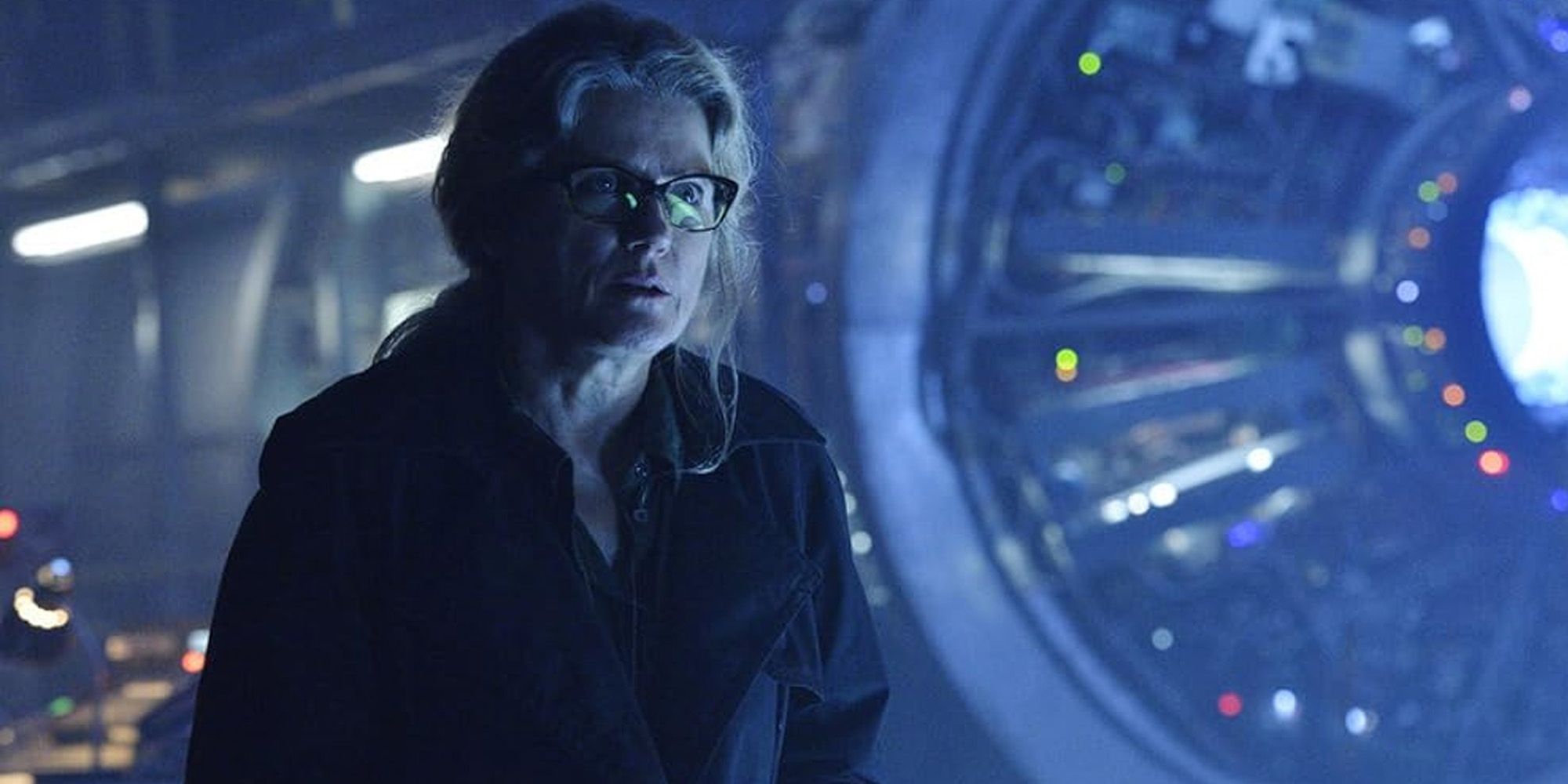
This article revisits Syfy's 2015-2018 television adaptation of *12 Monkeys*, arguing that despite low expectations, the series became a standout entry in modern science fiction. Based on Terry Gilliam's 1995 film but produced without his involvement, the show lacked star power and was widely expected to falter, yet it defied the "remake curse" to earn praise as one of the decade's most inventive and gripping sci-fi dramas.
The series stars Aaron Stanford, Amanda Schull and Emily Hampshire, following a time-travelling scavenger, a doctor and an erratic prophetic figure as they attempt to prevent a catastrophic virus from wiping out humanity. Critics were initially sceptical and drew inevitable comparisons to Gilliam's film, but the show won them over across its four seasons with ambitious time-travel storytelling and tightly woven plotting that avoided the tangled inconsistencies common to the genre.
In short
- Syfy's *12 Monkeys* TV remake defied low expectations to impress critics.
- Made without Terry Gilliam, starring Aaron Stanford and Amanda Schull.
- Praised for inventive time-travel plotting across its four seasons.
Explained simply
The story focuses on a television adaptation of 12 Monkeys, a science-fiction concept originating from Terry Gilliam's 1995 film. Syfy broadcast the series from 2015 to 2018, and despite initial expectations of poor reception, the show went on to receive widespread praise.
The series follows a small group attempting to prevent a catastrophic virus from destroying humanity through time travel. The main characters are a time-travelling scavenger, a doctor, and a prophetic figure, played by Aaron Stanford, Amanda Schull, and Emily Hampshire.
The series gained recognition for defying what some call the "remake curse"—the tendency for adapted stories to disappoint audiences. Despite lacking famous stars or involvement from the original director, the show was praised for its intricate time-travel plotting and narrative consistency, which avoided the logical inconsistencies common in the genre.