Entertainment news and discussion on TalkFuse.
The Best Classic JRPGs You Can Still Easily Play Today
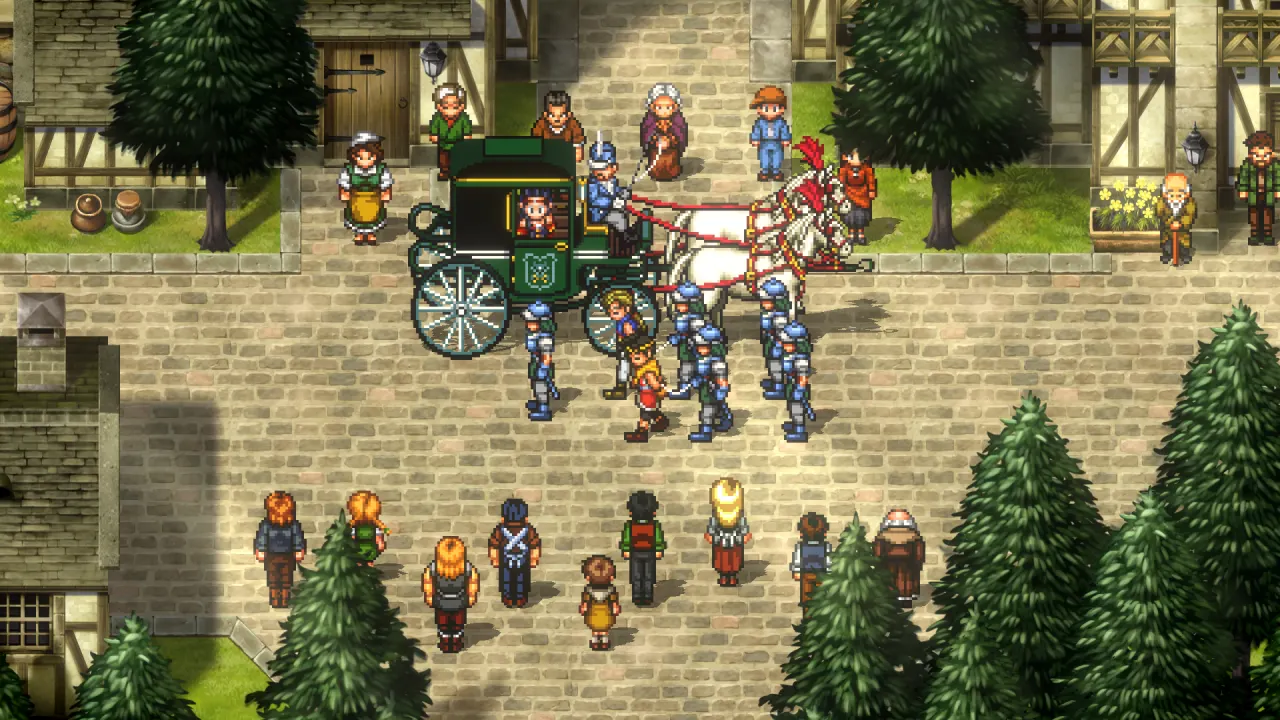
This Polygon article makes the case that not every classic role-playing game needs a modern remake to remain enjoyable, highlighting titles whose original pixel-art visuals, music and storytelling have aged well decades after release. The piece pushes back against the current industry trend of remaking beloved older games, instead pointing readers towards well-preserved entries that are still readily accessible on modern platforms.
The list features seven Japanese role-playing games, including Earthbound (1995) on Nintendo Switch Online, Final Fantasy 9 (2000) on multiple modern platforms, Chrono Trigger (1995) on PC, and Lunar: Silver Star Story. Each entry notes where the game can currently be played and why its original presentation still holds up, even where fans have long hoped for HD remakes that have yet to materialise.
– Article argues several classic JRPGs don't need remakes to remain playable and enjoyable today – Featured titles include Earthbound, Final Fantasy 9, Chrono Trigger and Lunar: Silver Star Story – All listed games remain accessible via ports, remasters or original hardware on modern platforms
Steelman: both sides, in good faith
The strongest fair case each way — we don't pick a winner.
The case for
Classic JRPGs like Chrono Trigger and Final Fantasy 9 have aged remarkably well precisely because their creative visions transcended technical limitations through deliberately chosen pixel art, music, and storytelling. Rather than expending enormous resources on remakes that risk diluting these visions, making originals accessible on modern platforms preserves artistic integrity whilst reaching contemporary audiences. These games remain engaging and emotionally resonant without graphical overhauls, proving that good design and compelling narratives create lasting experiences independent of cutting-edge graphics.
The case against
Thoughtful remakes could significantly expand these games' audiences by updating visuals, interfaces, and controls to contemporary standards without compromising core artistry. Many potential players find older games' mechanical limitations and visual presentation genuinely off-putting rather than charmingly retro, and accessibility improvements like customisable difficulty and remappable controls could welcome audiences who might otherwise overlook these classics. Successful remakes have demonstrated that respectful modernisation can deepen appreciation for originals whilst introducing beloved stories to millions who wouldn't engage with versions they perceive as dated.
Explained simply
Every few years a beloved older video game gets rebuilt from scratch with updated graphics and sound, a practice that has become increasingly common across the games industry. These "remakes" are often welcomed by fans, but they can also take years to produce and are not guaranteed for every fan favourite. Some older titles remain popular even without ever receiving that treatment.
JRPGs, or Japanese role-playing games, are a genre known for detailed stories, turn-based battles and distinctive art and music. Many well-regarded examples were released decades ago on older consoles, and while their visuals are simple by today's standards, they are often still valued for how their pixel art, music and writing were crafted. Thanks to re-releases, digital storefronts and subscription services, many of these games remain easy to buy and play on current consoles and computers.
The wider context here is an ongoing conversation in gaming culture about whether older titles need modern remakes to stay relevant, or whether well-made originals can still hold up on their own. This matters to players deciding how to spend their time and money, and to publishers weighing whether investing in remakes is worthwhile when originals remain accessible and enjoyed.