The Best Japanese Horror Movie of All Time Is Officially Getting a Remake
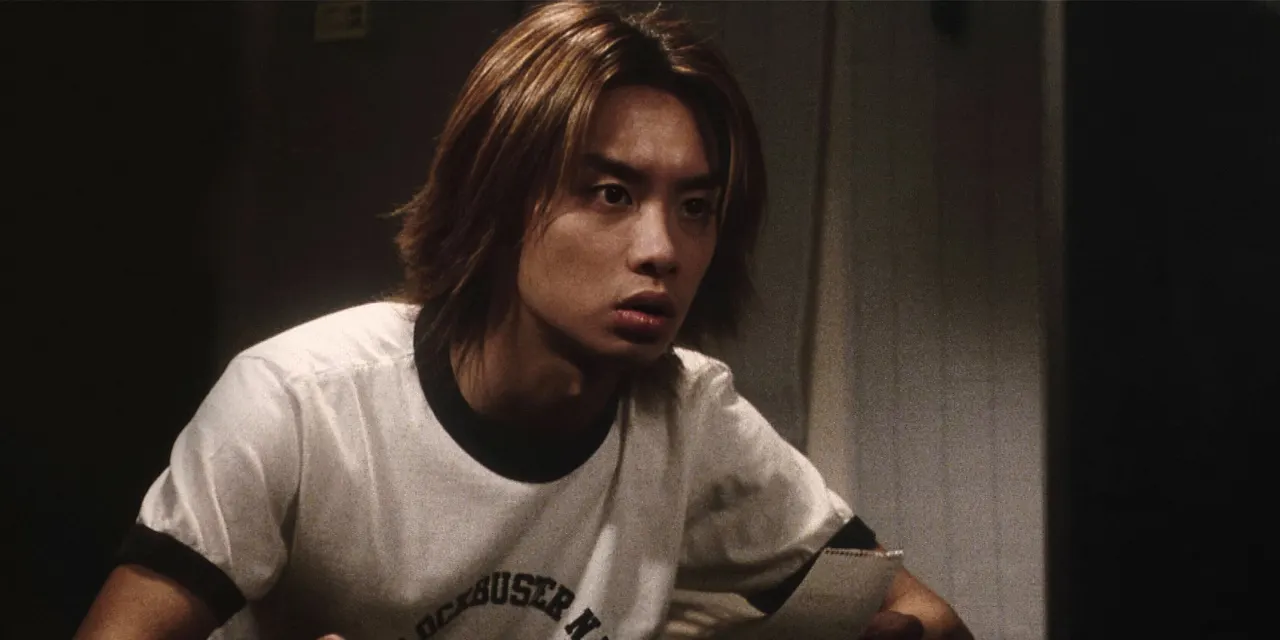
A remake of the acclaimed 2001 Japanese horror film Pulse is in development at Screen Gems and Spyglass Entertainment, with director Dave Boyle attached to helm the project and rework the script. The original, written and directed by Kiyoshi Kurosawa, is widely regarded as one of the finest J-horror films, following a series of disappearances caused by ghosts entering the physical world through the internet. The new project reflects a renewed appetite for Japanese horror remakes, decades after the genre's early-2000s boom in the West.
Boyle will revise a screenplay originally written by Luke Piotrowski, known for She Rides Shotgun and the 2022 Hellraiser remake, with Smile filmmaker Parker Finn producing alongside Jonathan Fass. Boyle, who has a long-standing interest in Japanese culture through films such as Big Dreams Little Tokyo and the series House of Ninjas, also has his own horror feature, Never After Dark, due out this autumn. This will mark the second American adaptation of Pulse, following Jim Sonzero's 2006 version co-written by Wes Craven, which starred Kristen Bell and Ian Somerhalder and spawned two direct-to-DVD sequels. No release date has yet been set for the new remake.
In short
- Dave Boyle to direct and rewrite a new remake of Pulse
- Original 2001 film is a celebrated Japanese horror classic
- Follows a 2006 US remake; no release date announced yet
Steelman: both sides, in good faith
The strongest fair case each way — we don't pick a winner.
The case for
Advocates of the remake argue that adapting Pulse for a new generation can introduce a genuinely brilliant film to audiences who would never seek out a subtitled Japanese original, and that a thoughtful director with real affection for Japanese culture, working from a fresh script, has the chance to reinterpret the story's prescient themes of isolation and technology for a smartphone-era audience. They point out that remakes, done well, are a longstanding and legitimate form of homage and reinvention in cinema, and that horror in particular has a healthy tradition of successive adaptations enriching rather than erasing the source material.
The case against
Sceptics contend that Pulse's power lies precisely in Kurosawa's distinctive direction, atmosphere and cultural specificity, qualities that are notoriously difficult to transplant and that the 2006 American remake already failed to capture despite a similarly pedigreed team. They argue Hollywood's habit of recycling acclaimed foreign horror often reflects a shortage of original ideas and a commercial instinct to repackage proven intellectual property rather than a genuine creative need, risking a diluted, jump-scare-driven version that overshadows or displaces the original in the popular consciousness.
Explained simply
Japanese horror had a defining moment in the early 2000s, when a wave of eerie, atmospheric films from Japan won a cult following in the West and inspired several Hollywood remakes. Pulse, a 2001 film written and directed by Kiyoshi Kurosawa, is often ranked among the very best of that era, telling an unsettling story about ghosts entering the real world through the internet and causing people to vanish. It was already remade once in America in 2006, starring Kristen Bell and Ian Somerhalder, though that version had a mixed reception.
Now a second American remake of Pulse is being developed, this time at the studios Screen Gems and Spyglass Entertainment. Director Dave Boyle, who has a background in films and shows exploring Japanese culture, is attached to lead the project and rewrite the script, working from an earlier draft by writer Luke Piotrowski. Parker Finn, known for directing the horror hit Smile, is on board as a producer alongside Jonathan Fass.
The project reflects a broader trend of studios returning to Japanese horror for fresh material, decades after the genre's first boom in the West. No director's cut of the story, casting details or release date have been confirmed yet, so the film remains in early development.
Asia Entertainment Film Horror World