The Best Portable Solar Panels: My Take After Years of Testing
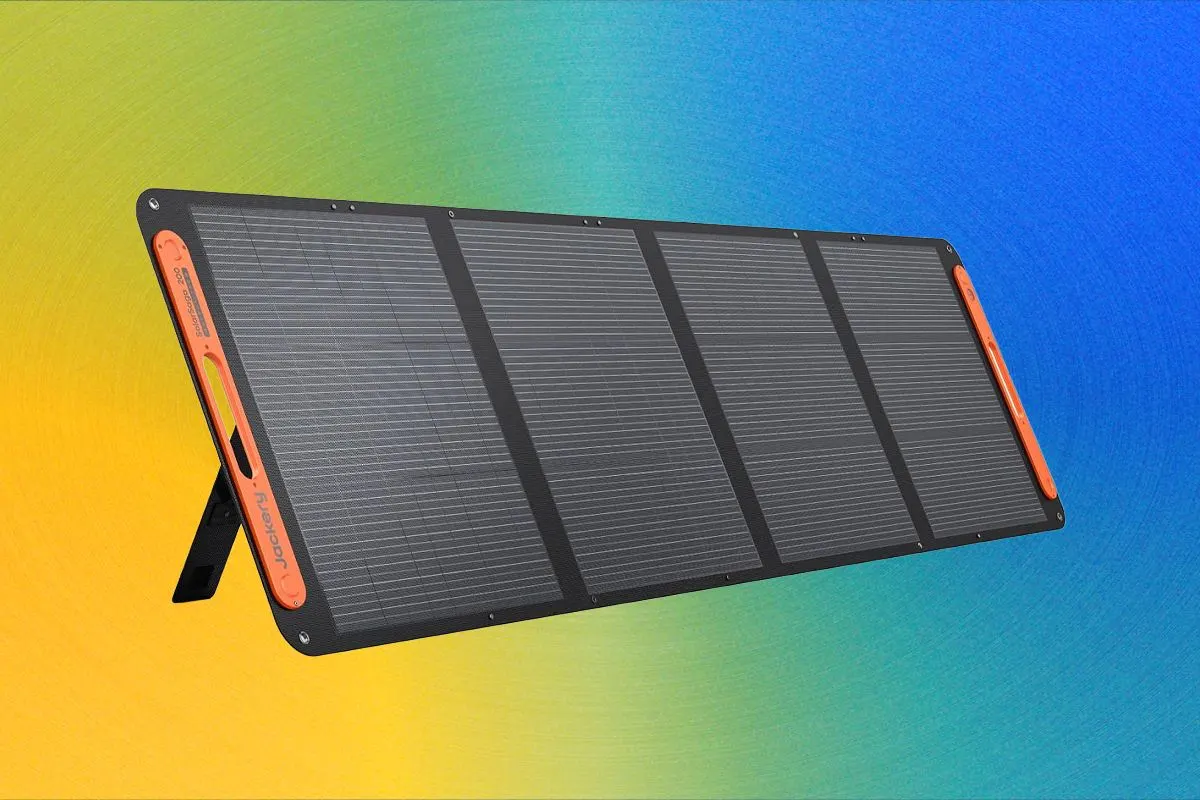
The article is a Wired buying guide from a reviewer who has spent years testing portable solar panels, recommending options for people who cannot install permanent solar systems, such as renters or those wanting off-grid power for cabins, RVs or campsites. Portable panels are best used alongside a solar generator or portable power station, and the guide highlights how model choice depends on wattage, connector type, portability and price, with brand matching to your power station often advisable.
The top overall pick is Jackery's Solar Saga range, available in 100-watt (£299/$299) and 200-watt (£379/$379) versions, which the reviewer found consistently effective even in overcast conditions, with the 200-watt model typically delivering 140 watts and up to 170 watts in strong sun; a newer bifacial version reaches 26.7% conversion efficiency. For those needing more power from a single panel, Bluetti's 350-watt (around $649-819) and 500-watt ($1,599) panels are also recommended, despite their higher cost, alongside other tested models and an FAQ section covering buying considerations such as connectors and portability.
In short
- Wired reviewer shares top portable solar panel picks after years of testing
- Jackery Solar Saga 100W/200W panels rated the most effective overall
- Bluetti's 350W and 500W panels recommended for higher power needs
Explained simply
Portable solar panels convert daylight into electricity without needing a permanent rooftop system. They are designed for people who need power away from the grid, such as campers, caravan owners and people with cabins, and are usually paired with a portable power station that stores the electricity.
Panels vary in how much power they can produce, how easily they fold or travel, and which connectors they use. A panel and power station need compatible connections, so buyers often choose matching products; the right size depends on what they want to run and how much they are willing to spend.
Portable panels offer a flexible way to produce electricity, but their output depends on sunlight and the equipment connected to them. Comparing real-world performance, portability and price can help buyers judge whether a setup suits occasional trips or more regular off-grid use.