World news and discussion on TalkFuse.
The best recent poetry – review roundup
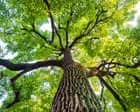
The Guardian's poetry critics round up five notable recent collections, spanning debut and established voices working across translation, illness narratives, ecological form and historical memory.
– Fetch by Colin Bramwell (And Other Stories, £14.99) – a lyrical debut from the award-winning translator of Fernando Pessoa into Scots, exploring the gap between languages and blending Scots and English with reflections on Russian poets, family and mortality. – Girling by Eve Esfandiari-Denney (Fitzcarraldo, £12.99) – a hybrid collection mixing essay, diary and text-message forms with lyric poems on girlhood, illness and genetic inheritance, praised for its humour and emotional force. – The Dead One, The Unconscious One, Thundering in Your Ear, Thriving Slumber by Jay Gao (Carcanet, £12.99) – an ambitious, tree-inspired collection using experimental "splinter" word fragments, likened to the work of CD Wright and Lyn Hejinian. – Belling the Leopard by Clementine Ewokolo Burnley (Bloodaxe, £14) – densely populated with real names of people and places, building each poem as a detailed historical miniature. – The Matter by Padraig Regan – also featured in the roundup, though further detail was not included in the extract provided.
In short
- Guardian reviews five recent poetry collections from UK-based poets.
- Titles include works by Bramwell, Esfandiari-Denney, Gao, Burnley and Regan.
- Themes range from translation and illness to ecology and history.
Explained simply
Poetry collections can take many forms, from lyric poems to writing that blends poetry with essays, diaries or messages. Translators may also draw on more than one language, bringing different rhythms and histories into a single book.
The collections in this roundup include work on girlhood, illness, family and mortality, alongside poems shaped by trees, ecological concerns and historical memory. Their approaches range from Scots and English together to fragmented words and poems built around real people and places.
These themes connect private experience with wider questions about language, inheritance and the past. The books also show how poets use form and voice to explore subjects that can be difficult to capture in straightforward narrative.