The ‘breathing space budget’ – breathing space for the government, that is | John Crace
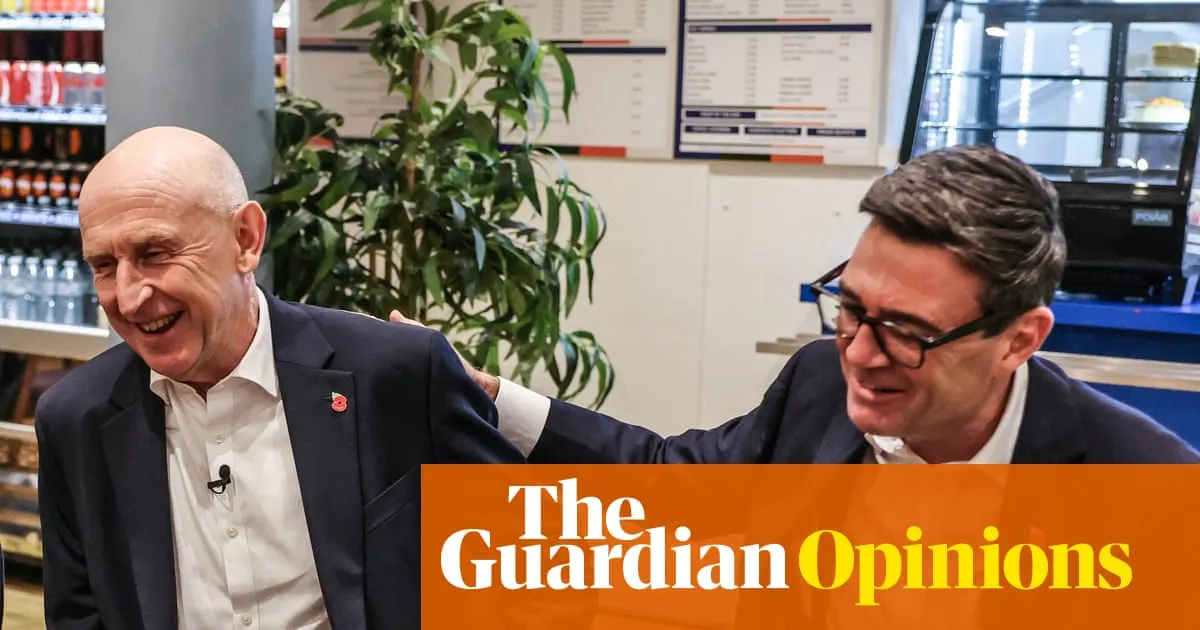
The article argues that John Healey’s morning-after interviews went smoothly because the budget contained few major tax or spending commitments for journalists to scrutinise. Instead, it focused on smaller measures to help people manage their personal finances, giving the government short-term relief from difficult decisions.
The writer describes the budget as a “breathing space” for the government as well as the public, with bigger choices deferred for a year. During a 20-minute Today interview, Healey offered a bleak account of the pressures facing Britain, including Brexit, the pandemic, war and energy prices. His comment that the benefits bill would be reduced prompted a rapid response from Treasury officials, who sought to clarify what he meant.
In short
- The budget avoided major tax and spending decisions.
- Small personal-finance measures dominated its agenda.
- Healey’s benefits comment triggered a quick Treasury clarification.
Steelman: both sides, in good faith
The strongest fair case each way — we don't pick a winner.
The case for
A budget with few major tax or spending commitments can give households practical help with day-to-day finances while allowing ministers to avoid rushed decisions amid economic pressures. Deferring larger choices may be prudent if the government needs time to assess competing demands and develop measures it can explain and deliver well.
The case against
If major fiscal choices are postponed, the budget may offer little response to deeper economic problems and leave households and public services uncertain about what comes next. A smooth set of interviews is not evidence that the difficult questions have been answered, and the quick clarification over benefits could reinforce concerns about unclear policy.
Explained simply
A UK budget sets out the government’s plans for taxes and public spending, and is presented to Parliament by the chancellor. These choices affect public services, household finances and the government’s ability to borrow, so budgets are closely examined by politicians, journalists and the public.
John Healey is a senior Labour politician; the Treasury is the government department responsible for the country’s finances. The debate described here centres on the difference between measures aimed at helping people manage their money and larger decisions about taxes and spending, which can have wider effects and may be politically difficult.
Britain’s recent financial pressures include the effects of Brexit, the Covid pandemic, wars and changes in energy prices. The government’s approach to benefits also matters because support payments form part of public spending and affect people on low incomes.
Americas Art Business Celebrity Culture Entertainment Government Politics Space Technology World