‘The Bride of Frankenstein Lives’ Has a Surprising Connection to Rogue and Gambit [Exclusive]
Developed over time first seen 4 hours ago
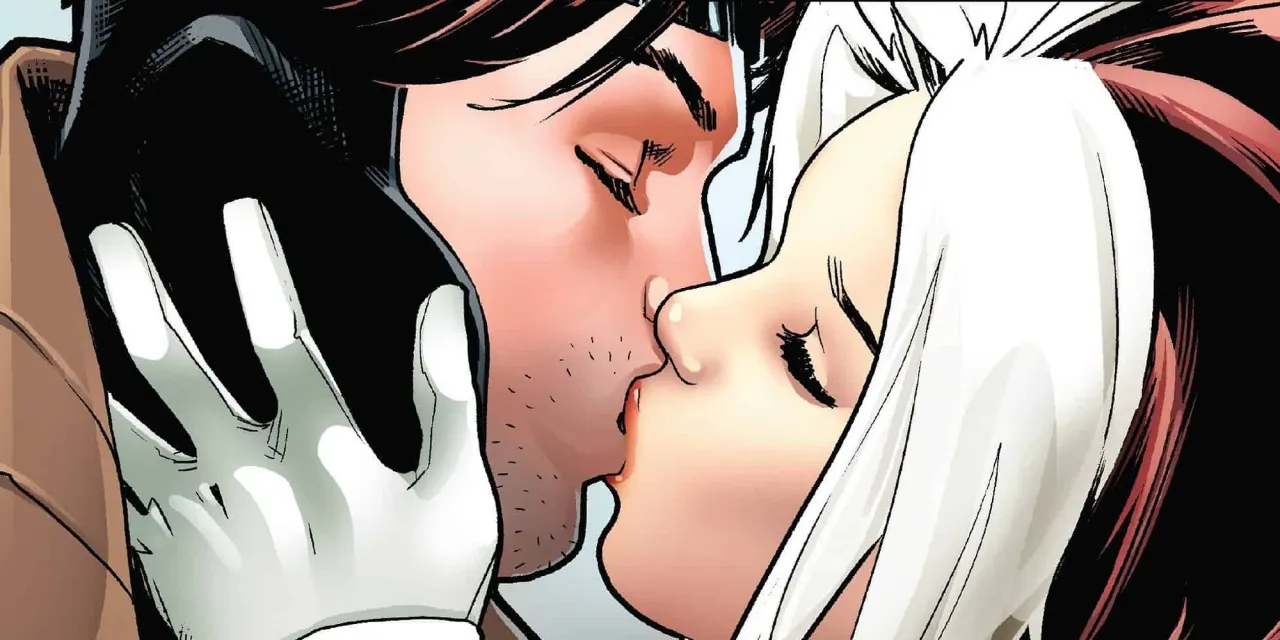
Kelly Thompson says her work on Rogue and Gambit helped shape how she writes the Bride’s relationship with physical touch in the new comic series *Universal Monsters: The Bride of Frankenstein Lives*. The link matters because both stories explore the tension between wanting closeness and needing control over who can approach or touch you.
In the first issue, the Bride has survived violence, fire and a river when West, believing she is his missing wife Elise, embraces her. Thompson and artist Mattia De Iulis deliberately make the moment awkward: kindness does not mean the Bride welcomes contact. Thompson also sees a more complicated parallel with Rogue, whose powers made touch dangerous but could also protect her from unwanted contact; the Bride, however, is still discovering her body and what she wants.
- Kelly Thompson connects the Bride’s boundaries with her work on Rogue.
- The Bride’s first embrace is meant to feel awkward, not romantic.
- Both characters face questions of safety, touch and personal control.
Full account
A new comic about the Bride of Frankenstein has an unexpected connection to Rogue and Gambit: the difficulty of deciding when, and whether, to accept another person’s touch. In an interview with Collider, writer Kelly Thompson said that theme links Universal Monsters: The Bride of Frankenstein Lives to her earlier work on the X-Men couple in Mr. & Mrs. X.
Rogue’s powers made physical closeness hazardous, a problem Thompson explored through her relationship and marriage with Gambit. The Bride faces a different situation. Newly brought to life, she has experienced violence, fire and a river before a man named West approaches her in the first issue. West believes she is his missing wife, Elise. His touch may be gentle, but the Bride has little reason to welcome it, and his belief about who she is cannot settle the question for her.
Thompson said she and artist Mattia De Iulis wanted West’s embrace to look uncomfortable rather than romantic. That choice reflects a broader concern in the four-issue series: the Bride must discover what her body can do and decide who she is while others bring their own expectations to her. The premise develops a character whose appearance in the 1935 film was brief and whose wishes were barely explored.
The comic also asks what the Bride owes to the women whose bodies were used to create her. She begins without memories of their lives, but Thompson said learning about them will shape the person she chooses to become. She had hoped to signal their importance in the title by using The Bride[s] of Frankenstein, with the final letter in brackets. Although that proposal was dropped for practical reasons, including searchability, the women’s histories remain part of the story.
Where outlets differ
Both supplied reports are from Collider, so they do not represent differing outlets. One emphasises Thompson’s connection between the Bride and Rogue and Gambit through touch, particularly the uneasy embrace with West. The other focuses on the Bride’s identity, the women used to create her and Thompson’s proposed title. The accounts are complementary rather than contradictory.