The bucket list industrial complex is ruining travel
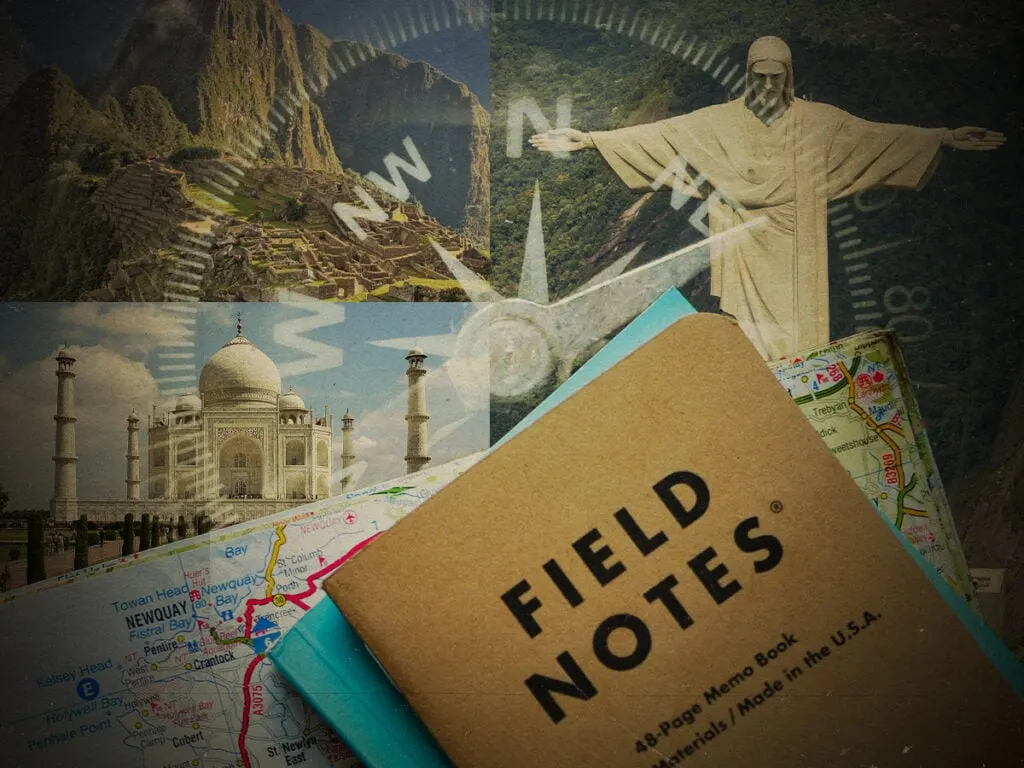
The concept of bucket lists—personal aspirations to accomplish before death—became a mainstream phenomenon following the 2007 film starring Jack Nicholson and Morgan Freeman. Whilst humans have always desired to travel and explore, the commercialisation and popularisation of bucket lists transformed global destinations into items to be ticked off rather than genuinely experienced. This shift coincided with affordable air travel and social media's rise, making far-flung locations accessible to masses of tourists motivated by checklist completion rather than cultural curiosity.
Major world landmarks and natural wonders—from Machu Picchu to the Taj Mahal to China's Zhangjiajie mountains—have become overcrowded tourist experiences where visitors queue in massive crowds to capture identical Instagram photographs rather than absorb the historical or cultural significance of these sites. These destinations, once approached with individual interest and appreciation, have been reduced to standardised tourist rituals where documentation takes priority over discovery, simultaneously degrading both the visitor's experience and the places' authentic value.
- The 'bucket list' concept, popularised by a 2007 film, transformed travel from personal exploration into checkbox tourism driven by social media and commercialisation
- Major landmarks like Machu Picchu and the Taj Mahal now attract massive crowds seeking identical Instagram photos rather than engaging with history and cultural significance
- Overcrowding and tourism industrialisation have reduced these sites to standardised social-media backdrops, undermining both visitor experience and cultural integrity
Both sides, in good faith
The strongest fair case each way — we don't pick a winner.
The case for
Critics of bucket-list travel culture argue that reducing places to tickable checklist items encourages a shallow, transactional relationship with travel, prioritising the photograph or the tick over genuine curiosity or connection with a place. They contend that this mindset fuels overtourism at a narrow set of iconic sites, straining local infrastructure, driving up costs for residents, and homogenising travel itineraries so that vast, more rewarding parts of the world go unseen. For these advocates, the values at stake are authenticity, sustainability and a deeper, more respectful way of engaging with other cultures and environments.
The case against
Others reasonably defend bucket lists as a practical and motivating way for ordinary people, often with limited time or money, to structure meaningful travel goals and finally see places they have long dreamed of visiting. They argue that dismissing this approach as shallow can be an elitist judgement on how people other than seasoned or wealthy travellers choose to experience the world, and that a first visit to a famous landmark can be just as personally profound as any off-the-beaten-path discovery. For these advocates, the values at stake are accessibility, personal aspiration and not gatekeeping what counts as a worthwhile travel experience.