New releases, music videos and album news — indie, rap, rock and pop. Always covering Ren, Chris Webby, Sam Tompkins, bbno$, CHINCHILLA, Muse, Yungblud and more.
The burden Bob Weir claimed “killed” Jerry Garcia in 1995
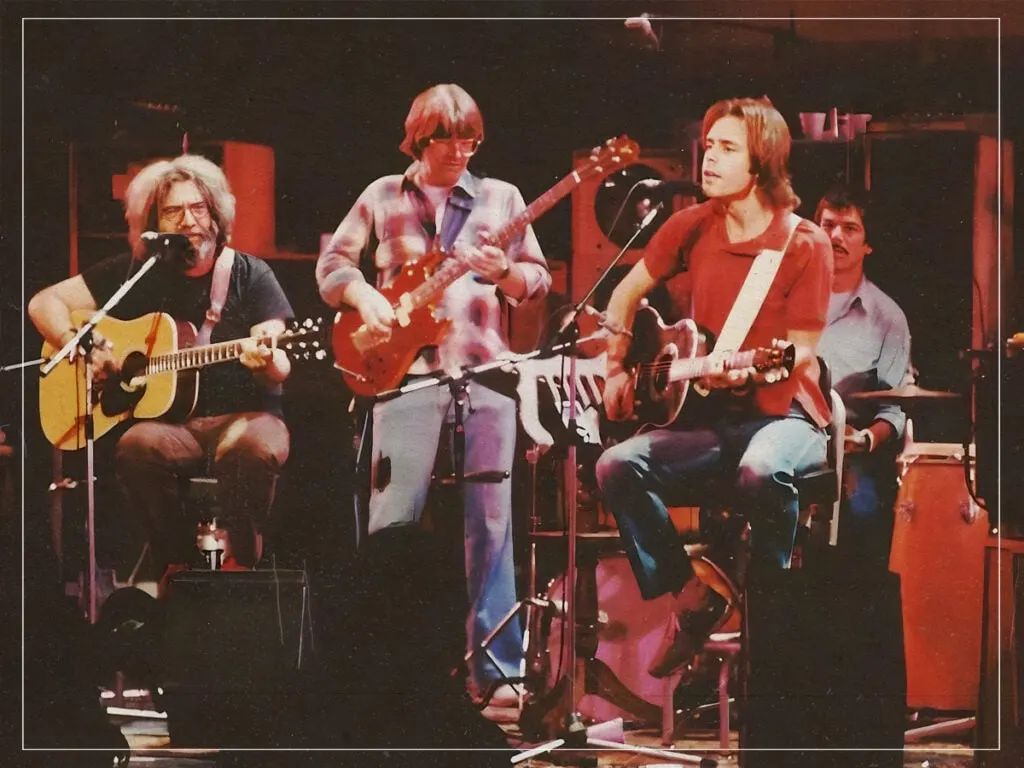
Bob Weir argued that the intense adoration surrounding Jerry Garcia weighed heavily on his friend and contributed to his drug use and death in 1995. His comments highlight the pressure Garcia faced as Grateful Dead fans treated him as a spiritual figure, despite his dislike of being placed on a pedestal.
Weir said Garcia hid from the “cult of personality” and described watching his closest friend struggle with it. Garcia had often said the Grateful Dead were like a group conversation rather than a sermon, while fans followed tours, collected recordings and closely compared performances. The band played more than 2,300 concerts, with Garcia’s improvisational guitar playing and musical exchanges with Weir central to its appeal.
In short
- Weir said adoration burdened Garcia.
- Garcia disliked being treated as a spiritual figure.
- The Grateful Dead played more than 2,300 concerts.
Steelman: both sides, in good faith
The strongest fair case each way — we don't pick a winner.
The case for
Weir’s account suggests that intense adoration can become a burden when fans turn a musician into a spiritual figure, leaving little room for ordinary flaws or privacy. Garcia’s discomfort with that role, alongside the relentless attention surrounding the band, may have added to pressures that contributed to his drug use and decline.
The case against
Garcia’s death and drug use are complex, and attributing them chiefly to fans’ adoration risks overstating a single influence without establishing how much it mattered. The devotion could also be understood as a response to the band’s music and community, while Garcia’s own description of the group as a conversation suggests fans were participating in a shared musical culture rather than expecting him to preach.
Explained simply
The Grateful Dead were an American rock band formed in the 1960s, known for concerts that mixed songs with long, improvised passages. Guitarist Jerry Garcia and rhythm guitarist Bob Weir were among its central members, and their musical exchanges helped shape the band’s sound.
The band built a devoted following, with fans travelling between shows and sharing recordings of different performances. Garcia became a focus of that devotion, though he had said he did not want the band’s music treated as a sermon. Weir’s comments point to questions about the pressure that fame and intense fan attention can place on performers.