Politics news and discussion on TalkFuse.
The California election battles I’ll be watching most closely tonight
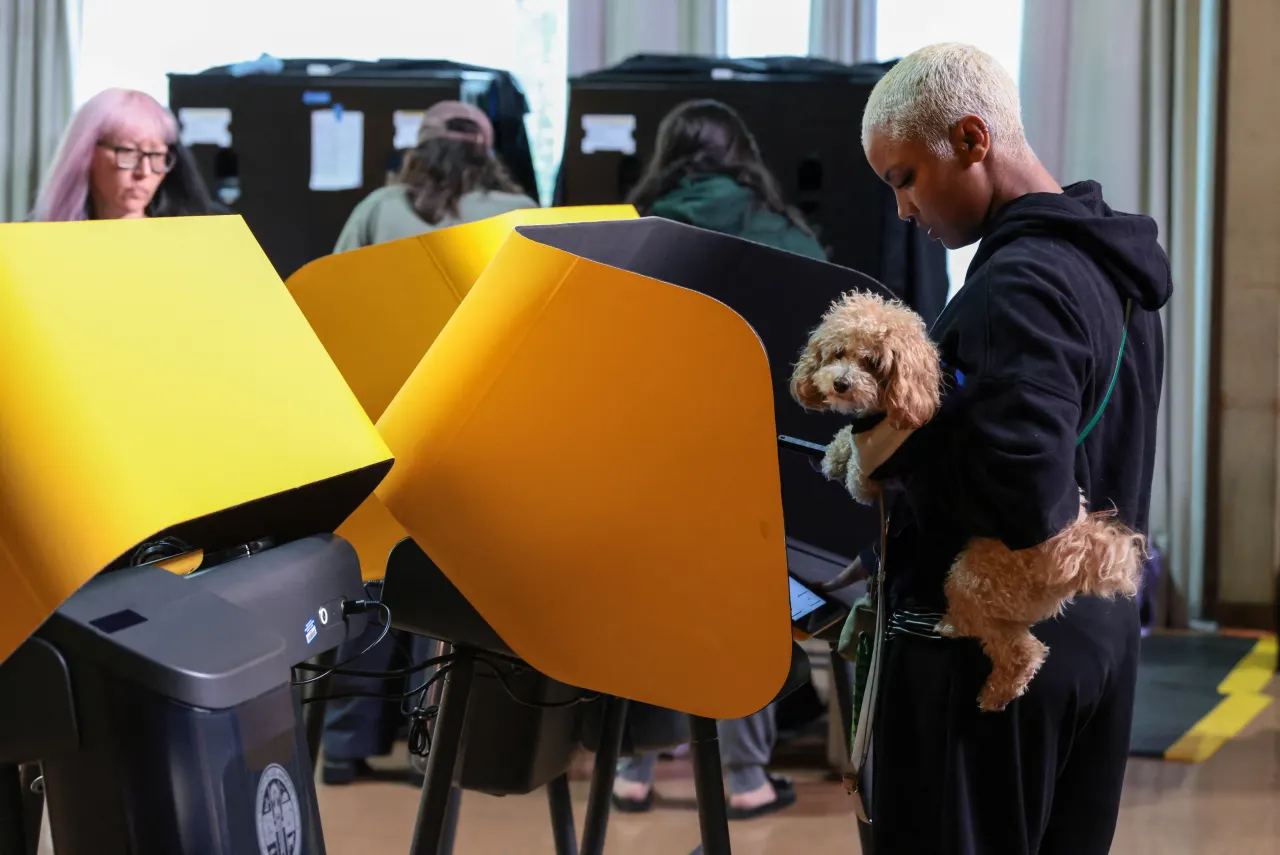
California voters faced hundreds of contests, with results expected to test the effect of a new congressional map, divisions within the Democratic Party and the reach of statewide candidates and ballot measures. The races matter because their margins may reveal shifts in party support and whether proposals can win backing beyond their usual constituencies.
The congressional contests include Republican-turned-independent Kevin Kiley against Democrat Richard Pan, and two Republican incumbents, Young Kim and Ken Calvert, competing for the same seat after redistricting. The writer is watching whether Republican gubernatorial candidate Steve Hilton can reach 40%, while noting a September poll put Donald Trump’s state approval at 27%. Proposition 39 would require voter identification and citizenship verification; rival Propositions 41 and 42 could block the proposed billionaire wealth tax in Proposition 40 if either wins more yes votes.
In short
- California’s new congressional map puts several Republican seats under pressure.
- Statewide races and ballot measures will test voter support.
- Rival ballot proposals could prevent a wealth tax taking effect.
Steelman: both sides, in good faith
The strongest fair case each way — we don't pick a winner.
The case for
Supporters of Proposition 39 can argue that checking identification and citizenship would strengthen confidence in election integrity and make clear that only eligible voters participate. Those opposing a billionaire wealth tax may see Propositions 41 and 42 as safeguards against a measure they believe could discourage investment, prompt wealth to leave California or create difficult enforcement questions. More broadly, supporters of the Republican candidates may argue that competitive races and a strong showing for Steve Hilton would give voters a meaningful check on Democratic dominance.
The case against
Opponents of Proposition 39 can argue that identification and citizenship checks risk burdening eligible voters, especially if access to documents or verification systems is uneven, without evidence here that the rules are needed. Supporters of Proposition 40 may contend that taxing billionaire wealth is a fair way to raise public revenue, and that blocking it would protect the very wealthiest from contributing more. Democrats and other critics of Republican candidates may also see the contests as a chance to resist policies they consider harmful and to ensure California’s congressional representation reflects voters’ preferences.
Explained simply
California elects representatives to the US Congress as well as state leaders, and voters can also decide policy questions directly through ballot measures. Redistricting changes the boundaries of congressional districts, which can alter which voters candidates need to win over and can put incumbents in competition with one another.
The main parties are the Democrats and Republicans, though some candidates run as independents or have changed party affiliation. The contests mentioned include races between candidates from different parties and a district where two Republican incumbents are seeking the same seat. Statewide races and ballot measures can also indicate how much support candidates and proposals have beyond their usual supporters.
The propositions cover different questions, including voter identification and citizenship checks, and a proposed tax on billionaires. Two rival measures could prevent that tax proposal from taking effect, depending on how voters decide between them. Together, these contests matter because their results can show how California voters respond to changes in district boundaries, party divisions and competing policy proposals.