News, events and chat from Sheffield and South Yorkshire.
The changes hailed as ‘revolution’ in South Yorkshire public transport coming next year
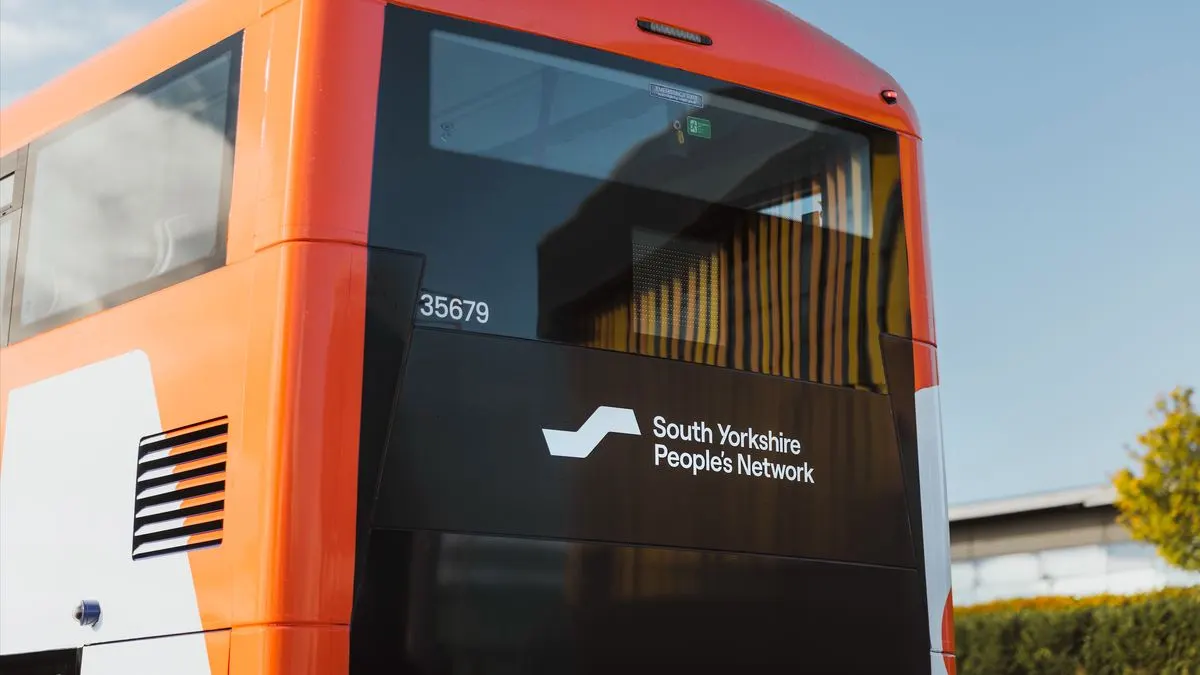
South Yorkshire has unveiled major changes to its bus network, which will come under public control from next year. The region’s mayor says passengers should see more reliable services from launch, with the reforms intended to improve links between communities and key destinations.
Most of Sheffield and Doncaster are due to join the new network on 5 September next year, followed by Barnsley and Rotherham in September 2028 and the rest of Sheffield in 2029. The £350 million programme includes more evening and Sunday services on over 80 routes, evening buses on 14 routes that lack them now, and a new transfer ticket; around 500 ticket types are to be scrapped. The overall number of services is expected to remain similar, while about 600 electric buses are also set to join the fleet from next year.
In short
- South Yorkshire buses will come under public control next year.
- More than 80 routes are due to gain better evening or Sunday services.
- Around 500 ticket types will be replaced by simpler options.
Steelman: both sides, in good faith
The strongest fair case each way — we don't pick a winner.
The case for
Bringing buses under public control could let the region plan routes and fares around passengers’ needs, improve connections between communities and key destinations, and provide more evening and Sunday services. A transfer ticket and simpler ticketing could make journeys easier, while the investment in electric buses may improve the fleet as well as reduce emissions.
The case against
A £350 million reorganisation carries delivery risks: phased changes could cause disruption, and promised reliability and better links will depend on effective planning and operation. With the overall number of services expected to remain similar, passengers may question whether the changes will improve access enough to justify the cost, particularly if ticket simplification or new buses do not translate into better day-to-day journeys.
Explained simply
South Yorkshire’s buses are currently run by private operators, which decide which routes to provide and how often buses run. The region’s mayor and South Yorkshire Mayoral Combined Authority oversee transport across Sheffield, Doncaster, Barnsley and Rotherham.
The planned public control means the authority will have a greater role in setting routes, timetables and fares, while bus companies can still operate services. The changes are intended to make it easier to travel between communities and reach places such as town centres, hospitals and workplaces.