World news and discussion on TalkFuse.
The Chinese women writing gay love stories: How ‘danmei’ became a global phenomenon despite censorship
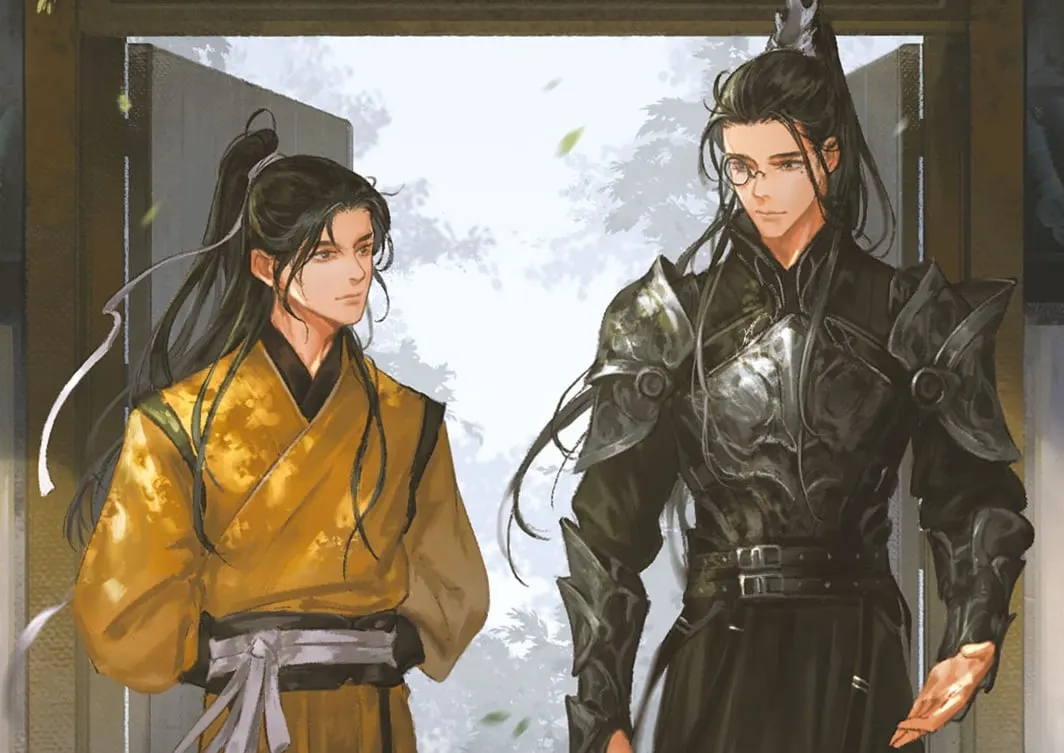
Danmei, a Chinese literary genre centred on romances between men and read and written mainly by women, has grown into a global phenomenon. Its popularity has supported screen adaptations and international publishing, even as Chinese authorities have detained and fined some authors, many of whom write under pseudonyms.
The genre developed from Japanese Boys’ Love manga that reached China in the 1990s, where internet platforms helped local writers and readers build a vibrant community. Danmei spans historical fantasy, thrillers, school stories and other forms, and is published as novels, comics, series and audio dramas. Most readers are women aged 18 to 40; in Spain, publisher Norma’s dedicated imprint, launched in 2024, now releases two titles a month.
In short
- Danmei romances have found readers around the world.
- The genre spans many settings and formats.
- Chinese censorship has not stopped its growth.
Explained simply
Danmei is a type of Chinese fiction about romantic relationships between men. It grew from Japanese Boys’ Love comics that reached China in the 1990s, and online platforms helped Chinese writers and readers build a community around the stories.
Women make up most of its readership and many of its writers. Danmei appears in different formats and genres, from novels and comics to audio dramas, and some stories have been adapted for television or published abroad.
The genre’s growth has brought it into tension with Chinese censorship rules: some authors have been detained and fined, and many use pen names. This has shaped how the stories are written and shared, while readers and publishers in other countries have helped them reach wider audiences.