Entertainment news and discussion on TalkFuse.
The classic 1986 movie Winona Ryder’s parents banned her from starring in: “No, you can’t”
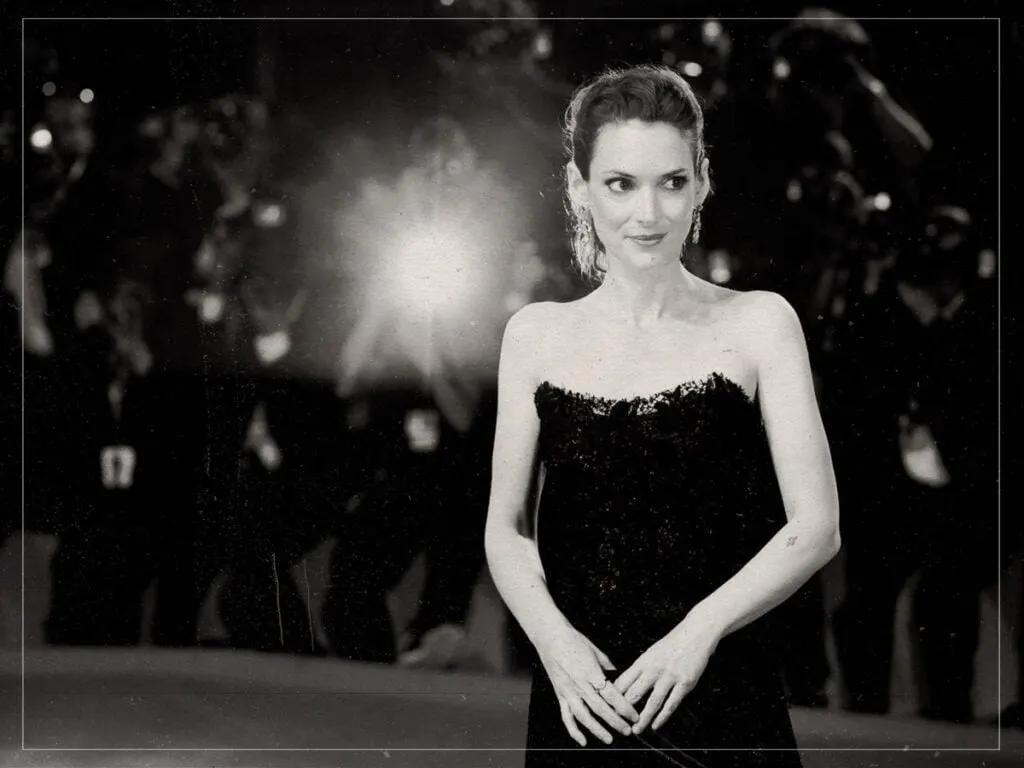
Winona Ryder's parents refused to allow her to audition for the 1986 film River's Edge, which featured a sex scene, deeming her too young for such content. This decision exemplifies their unusually protective approach to their daughter's acting career during an era when many child stars were inadequately safeguarded in Hollywood, highlighting the crucial role parents play in shielding young performers from unsuitable roles and the industry's potential harms.
Ryder was approximately 14 years old when she would have filmed the role, and her parents enforced strict boundaries including a requirement to maintain a 4.0 grade-point average and a prohibition on working during the school year. Unlike parents motivated purely by financial gain or vicarious ambition, Ryder's mother and father were genuinely passionate about cinema—her mother had founded a film society and screened classic films on their Minnesota commune—yet remained deeply concerned about protecting their daughter from Hollywood's exploitative nature. Ryder has expressed no regret about missing the role, recognising that her parents' vigilance shielded her during a formative stage of her career.
In short
- Ryder's parents vetoed a sex scene role at 15, prioritising her safety and education.
- They enforced strict rules: 4.0 GPA, no work during school year, and careful role selection.
- Their protective approach was unusually cautious for 1980s child actors in Hollywood.
Explained simply
Winona Ryder began acting as a teenager, when young performers could be offered roles involving adult themes. Her parents set limits on her work, including keeping up with school and not acting during term time.
River’s Edge was a 1986 drama about teenagers dealing with a friend’s killing. Its cast included young actors, and the film contained mature material. Ryder’s parents’ decision reflects the part families can play in assessing roles for young performers and setting boundaries as they enter the film industry.