New releases, music videos and album news — indie, rap, rock and pop. Always covering Ren, Chris Webby, Sam Tompkins, bbno$, CHINCHILLA, Muse, Yungblud and more.
The composer Nina Simone knew played “everything perfect”
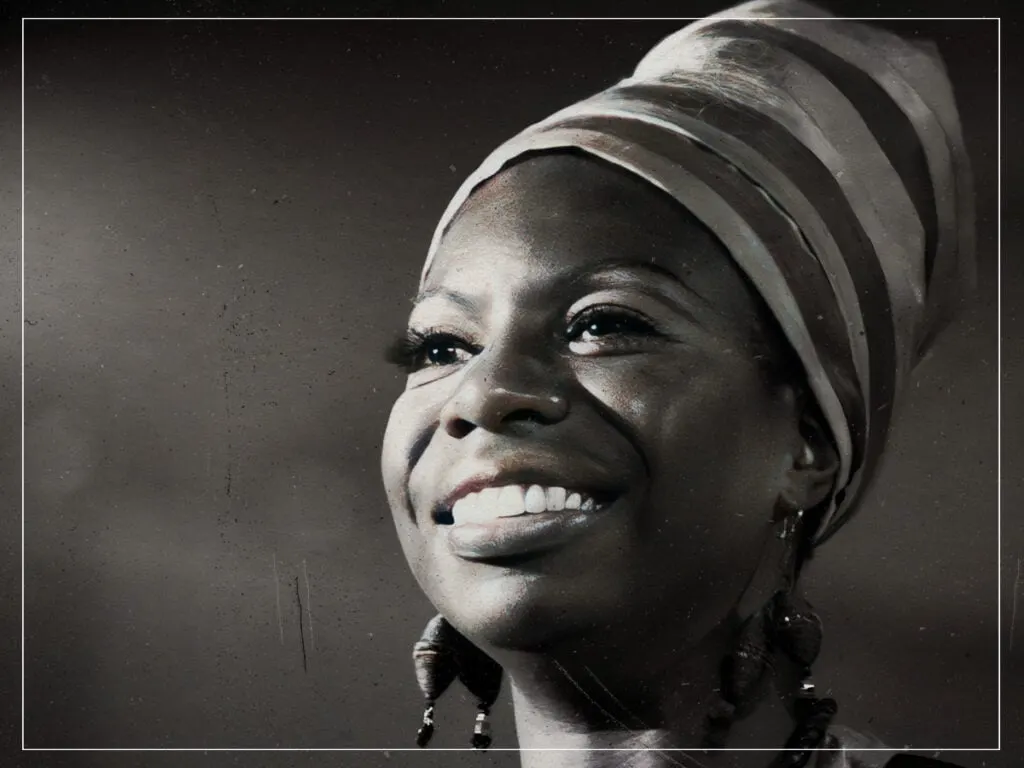
This article explores Nina Simone's views on musical perfection and the composer she regarded as its ultimate embodiment: Johann Sebastian Bach. Though Simone herself was often described, notably by Nick Cave, as a "living grievance machine" whose raw, conflicted artistry captured both love and defiance, she held classical music's precision in particularly high esteem, distinguishing genuine mastery from mere imitation.
Simone praised jazz greats including John Coltrane, Dizzy Gillespie, Miles Davis, Duke Ellington and Art Blakey, but named Bach as unmatched, calling him "technically perfect". In her autobiography, I Put a Spell on You, she wrote that every note in his work connects perfectly to the next, and credited him with inspiring her original ambition to become a concert pianist, saying "Bach made me dedicate my life to music." This influence, the article argues, helped shape her own fusion of jazz and classical traditions, which went on to define her legacy as a voice for her generation.
In short
- Nina Simone regarded Bach as music's ultimate, "technically perfect" genius.
- Bach's precision inspired her early ambition to be a concert pianist.
- Her blend of jazz and classical shaped her enduring musical legacy.
Explained simply
Nina Simone was an American singer, pianist and songwriter whose music drew on jazz, classical music, blues and gospel. She trained as a classical pianist and later became known for songs that combined musical invention with themes of love, identity and racial injustice.
Johann Sebastian Bach was a German composer who lived from 1685 to 1750, and is widely regarded as a major figure in classical music. His works are known for their intricate structure, in which separate musical lines fit together.
Simone admired jazz musicians such as John Coltrane and Duke Ellington, while also holding Bach up as a model of musical craft. Her classical training and interest in jazz helped shape a style that crossed musical traditions and influenced later listeners and performers.