Culture news and discussion on TalkFuse.
The Cramps’ ‘Gravest Gravy’ Unearths Long-Lost Sessions From One of Rock’s Most Brilliantly Deranged Bands: Album Review
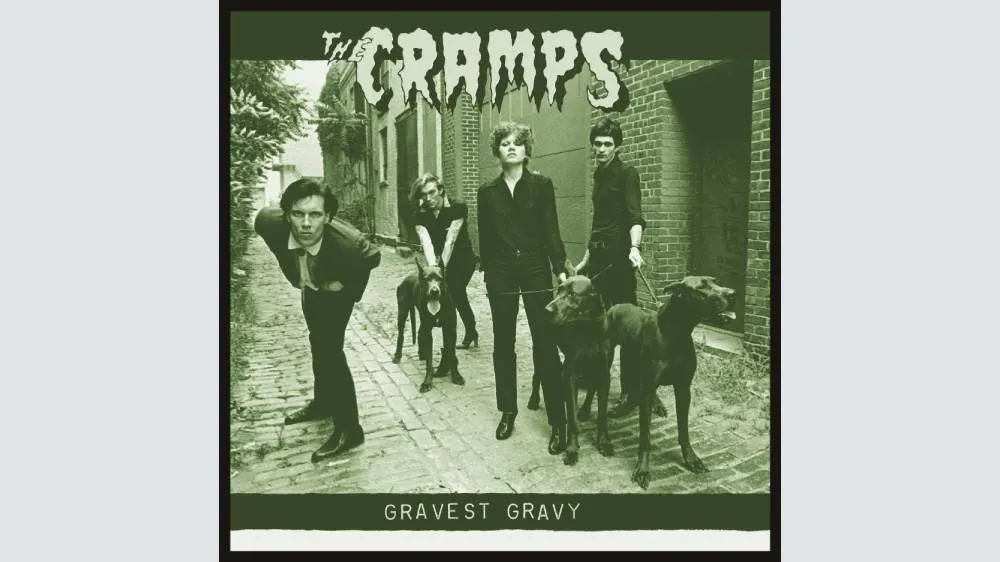
The Cramps' long-lost "Gravest Gravy" sessions are finally being released, marking the start of a wider revival of the punk-era band's catalogue by Henry Rollins, Ian MacKaye and reclusive founding member Poison Ivy, who holds most of the group's rights. The album stems from October 1977 recordings at Memphis's Ardent Studios, produced by Alex Chilton, which originally yielded the band's first two singles; the newly surfaced tracks are the remaining songs from those sessions that never made the cut, mixed by singer Lux Interior and Ivy in the late 1980s but shelved for unclear reasons until now.
The record blends the Cramps' own warped originals, some of which later appeared on subsequent albums, with obscure 1950s and '60s covers the band never officially released, including songs by Paul Revere and the Raiders, Sam Phillips and Jimmy Lloyd. The release relaunches the group's Vengeance Records label and kicks off a broader reissue campaign covering most of their albums, unreleased material and official merchandise, aiming to restore visibility to a band whose profile faded following Lux Interior's death in 2009.
In short
- Lost 1977 Cramps studio sessions released as "Gravest Gravy" album
- Poison Ivy, Henry Rollins and Ian MacKaye revive Vengeance Records
- Reissue campaign to follow, covering albums, rarities and merchandise
Explained simply
The Cramps were an American band formed in the 1970s by singer Lux Interior and guitarist Poison Ivy. They mixed punk rock with rough-edged rockabilly and their own versions of older, little-known songs; their early recordings helped establish their distinctive sound.
In October 1977, the band recorded at Ardent Studios in Memphis with producer Alex Chilton. Some of those recordings became their first two singles, while others remained unreleased; the sessions also included songs that later appeared on Cramps albums.
The band’s catalogue and rights are now central to efforts to bring its music back to listeners. Lux Interior died in 2009, and Poison Ivy retains most of the group’s rights, making her role important to plans for reissues and other official releases.
Art Culture Entertainment Film Horror Music Offbeat Weird & Viral